Table of Contents
- Introduction
- Spring: Awakening and Growth
- Summer: Heat Stress and Drought
- Fall: Preparation for Dormancy
- Winter: Dormancy and Protection
- Climate Change and Its Impact
- Local Initiatives and Tree Health
- Community Involvement and Tree Preservation
- Conclusion
Chesapeake, Virginia, experiences a diverse range of seasons, each bringing unique challenges and benefits to the local tree population. Understanding how these seasonal shifts impact tree health is crucial for homeowners and arborists aiming to maintain vibrant and resilient landscapes. For those seeking professional assistance with tree removal chesapeake va homeowners can rely on, 757 Tree Solutions offers expert tree removal and maintenance services. As a trusted provider in the Chesapeake area, they specialize in addressing the unique needs of local trees, ensuring landscapes remain healthy and beautiful year-round.
Spring: Awakening and Growth
As temperatures rise and daylight increases, trees in Chesapeake emerge from dormancy. This period is marked by budding leaves and blossoms, signaling the start of active growth. However, spring also introduces challenges such as fluctuating temperatures and increased rainfall, which can lead to root rot if soil drainage is inadequate. Additionally, the abundance of pollen during this season can affect not only human health but also the overall ecosystem. For instance, in April 2025, significant pollen slicks were observed on the Chesapeake Bay, indicating high pollen levels in the area.
During the spring, it’s also crucial to monitor for early signs of insect infestations or fungal diseases, which often appear as the weather warms. Common pests in Chesapeake include aphids and cankerworms, both of which can hinder the development of fresh foliage. Early intervention with proper tree care practices, such as targeted pruning or environmentally safe treatments, helps prevent significant damage and supports optimal seasonal growth. Furthermore, aerating the soil during spring can promote deeper root development and improve nutrient uptake, ensuring trees grow stronger as the season advances.
Summer: Heat Stress and Drought
Summers in Chesapeake are characterized by high temperatures and occasional drought conditions. Prolonged heat can stress trees, leading to wilting leaves and reduced growth. Drought exacerbates these issues by limiting water availability, making it essential for property owners to implement proper watering practices. Mulching around the base of trees can help retain soil moisture and regulate temperature, providing a buffer against the harsh summer climate (LSU Agcenter).
It’s also important during summer to be vigilant about pest pressures, as drought-stressed trees become more susceptible to infestations by borers and beetles. Encouraging biodiversity in your landscape, such as planting native shrubs and groundcovers, can attract beneficial predatory insects that help maintain a healthy ecological balance. In addition, local tree care specialists often suggest deep watering sessions in the early morning or late evening, allowing water to penetrate the soil and reach roots before evaporating in the midday heat. Regular health monitoring, including checking for leaf scorch or dieback, enables timely responses and reduces long-term damage.
Fall: Preparation for Dormancy
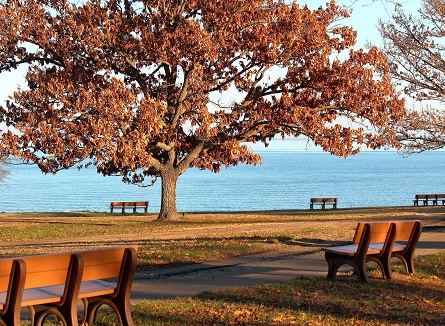
During fall, trees prepare for the upcoming winter by slowing their growth and shedding leaves. This process, known as abscission, allows trees to conserve energy and reduce water loss. It’s an ideal time for pruning, as the absence of leaves provides a clear view of the tree’s structure. Additionally, applying fertilizer in the fall can support root development, ensuring trees are well-nourished before entering dormancy.
Fall is also when many trees develop seeds and fruits, contributing to the ecosystem and supporting local wildlife. Removing fallen leaves can prevent fungal spores from overwintering and causing disease in the spring. It’s worth considering composting these leaves or using them as mulch to add organic matter back into the soil. Homeowners should also inspect their trees for signs of structural weakness, such as cracks or cavities, which may pose risks during winter storms. Regular inspections from a certified arborist can identify potential hazards before severe weather arrives, helping keep both trees and property safe.
Winter: Dormancy and Protection
Winter brings colder temperatures and potential snowfall to Chesapeake. While trees are dormant during this period, they are not immune to damage. Heavy snow and ice can cause branches to break, and fluctuating temperatures may lead to frost cracks in the bark. To protect trees, it’s advisable to remove snow buildup gently and avoid using de-icing salts near the root zone, as they can be harmful to tree health.
Another important winter practice is wrapping young or vulnerable tree trunks with protective coverings to prevent sunscald and minimize frost injuries. Monitoring for animal damage is also recommended, as deer and rodents may feed on bark and twigs when food is scarce. Continuing to water trees during dry spells is crucial, especially for newly planted specimens whose roots remain active below the soil line even in winter. These efforts help trees recover quickly in the following spring and foster long-term health and vigor.
Climate Change and Its Impact
Recent studies indicate that climate change is affecting the health of trees in the Chesapeake Bay region. Warmer temperatures and altered precipitation patterns have led to increased instances of tree stress and mortality. For example, the phenomenon of “ghost forests,” where rising sea levels and saltwater intrusion kill off coastal trees, has been observed along the Chesapeake Bay.
Additionally, extended growing seasons brought by climate change can disrupt normal cycles of dormancy and growth. Trees may bud too early, risking frost damage, or experience irregular leafing that weakens their structure. Shifting pest populations and diseases, aided by milder winters, create new management challenges. Being aware of these long-term trends helps property owners adapt by choosing resilient native species and employing adaptive care strategies. Collaboration with local experts and attending educational events focused on climate-resilient landscaping can further protect Chesapeake’s urban and suburban forests.
Local Initiatives and Tree Health
In response to these challenges, local authorities in Chesapeake have been proactive in promoting tree health. The city’s Department of Forestry offers guidelines on preparing trees for severe weather, emphasizing the importance of regular inspections and maintenance. They recommend monitoring for signs of disease, ensuring proper mulching, and consulting with certified arborists to address potential issues.
The city also sponsors events like Arbor Day celebrations, distributing free saplings and educational resources to residents. Urban forestry programs regularly assess canopy cover and implement tree planting campaigns in parks and neighborhoods, improving air quality and urban resilience. Collaborative projects between municipal agencies and environmental groups focus on restoring native habitat, reinforcing riparian buffers along waterways, and monitoring invasive species that threaten local tree populations. These comprehensive approaches underscore the importance Chesapeake places on preserving its urban forest for present and future generations.
Community Involvement and Tree Preservation
Community involvement plays a vital role in preserving tree health. Residents are encouraged to participate in local tree planting initiatives and educational programs. By fostering a collective sense of responsibility, the community can work together to mitigate the adverse effects of seasonal changes and climate variability on the region’s trees.
Engagement opportunities abound, from volunteering in reforestation projects to attending workshops hosted by environmental nonprofits. Schools and community centers offer programs aimed at teaching youth about the importance of trees, sustainable landscaping, and ecological stewardship. By sharing knowledge and resources, neighborhoods can create lasting green spaces that enhance property values, reduce stormwater runoff, and provide vital habitat. These grassroots efforts, in partnership with municipal programs, have the potential to transform Chesapeake into a model community for tree conservation and sustainability.
Conclusion
Seasonal changes in Chesapeake, VA, present both opportunities and challenges for tree health. By understanding these dynamics and implementing proactive care strategies, residents can ensure the longevity and vitality of their trees. For those seeking professional assistance, 757 Tree Solutions offers expert services in tree removal and maintenance. As a trusted provider in the Chesapeake area, they specialize in addressing the unique needs of local trees, ensuring landscapes remain healthy and beautiful year-round.