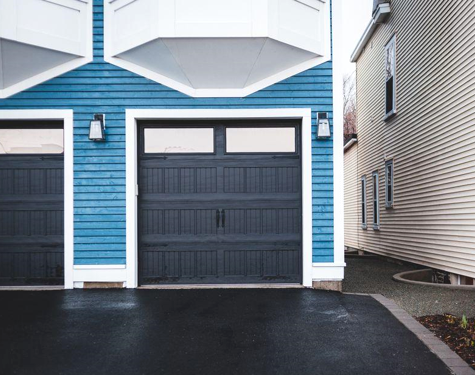
 Your garage door does a lot of heavy lifting without asking for much in return. It opens, closes, and protects everything from bikes to holiday bins to that mystery paint can you forgot about. But when it starts squeaking, jerking, or leaning a little funny, it’s usually asking for help. The good news is that you don’t need to be a repair expert to spot early problems. A few smart habits can help you catch trouble sooner and avoid turning a small wobble into a full-blown garage drama.
Spot Trouble Early
A garage door rarely goes from perfectly fine to completely wild in one day. Usually, it drops hints first. You might hear grinding, scraping, or rattling that sounds a bit too dramatic for a simple door. You may notice one side moving faster than the other, or the bottom not sitting evenly when closed.
If that starts happening, don’t ignore it and hope the door is just being moody. Small alignment issues can grow fast. If the rollers look uneven or the door appears jammed, or goes off track. If that is the case, it is important to fix garage door off track problems as soon as they appear to prevent further damage.
Another clue is resistance. If the opener struggles or the door pauses midway, something may be out of place. A garage door should move smoothly, not like it’s rethinking its life choices. Catching these signs early can save you money and a major headache later.
Know What Causes It
Garage doors come off track for pretty ordinary reasons. One of the biggest is accidental impact. If you’ve ever bumped the door with a car bumper, trash bin, or basketball, even lightly, that can throw things off more than you’d think. The track system is sturdy, but it’s not invincible.
Worn rollers are another common issue. Over time, these little wheels can crack, loosen, or stop moving smoothly. When they don’t glide the way they should, the door can shift and strain the track. Dirt buildup also causes trouble. Dust, leaves, and sticky grime can block movement and create friction.
Loose hardware plays a part too. Garage doors move up and down a lot, so bolts and brackets can slowly shake loose. Add in skipped maintenance, and you’ve got the perfect recipe for a crooked door. Most off-track problems don’t start with one giant failure. They build from little things that get overlooked.
Stay Safe First
Before you inspect anything, remember this: a garage door is heavy, awkward, and packed with parts under tension. That means this is not the time for brave nonsense. If the door looks badly tilted or stuck halfway, keep your hands clear and don’t try to force it open or closed.
The springs are the biggest reason to be careful. They hold a huge amount of tension, and if something shifts suddenly, you could get hurt fast. The opener can also make things worse if it keeps pulling on a misaligned door. If the system is acting strangely, stop using the remote until you know what’s going on.
A good first step is simply observing. Stand back and look at the tracks, rollers, and overall position of the door. Listen for unusual sounds when someone else operates it from a safe distance. If anything looks bent, hanging, or dangerously uneven, skip the DIY hero moment. Safety always comes before saving a service call.
Try These Simple Checks
There are a few safe checks you can do without turning your garage into a repair workshop. Start with the tracks. Look for leaves, pebbles, hardened grease, or random debris that might block the rollers. Sometimes the problem is surprisingly small and easy to spot.
Next, check whether the rollers appear seated correctly inside the tracks. You’re not trying to push them back in. You’re just looking to see if one has jumped out or if the track looks bent. A flashlight helps here, especially in darker garages where every corner seems to swallow light.
You can also test the opener by watching how the door begins to move. If it jerks, hesitates, or makes loud clicking sounds, stop the cycle. Don’t keep pressing the button as it will suddenly behave. That’s the garage door version of “have you tried yelling at it?” and it rarely works.
What should you not do? Don’t loosen brackets, touch the springs, or force the door manually. A simple visual check is helpful. A full repair attempt can quickly become unsafe.
Know When To Call
Some garage door issues are clearly beyond a basic inspection. If the track is bent, the rollers are out, or the door is hanging unevenly, it’s time to call a pro. The same goes for doors that get stuck halfway or slam shut harder than they should. Those are not quirks. They’re warning signs.
Repeated derailment is another red flag. Even if the door seems to go back into place once, it shouldn’t keep slipping out again. That usually means something deeper is wrong, such as worn hardware, damaged rollers, or alignment problems that need proper adjustment.
Listen for sharp snapping sounds or loud bangs. Those noises can point to spring or cable trouble, and those parts are not beginner-friendly. Professional repair may feel like an extra expense, but it often prevents bigger damage to the opener, panels, or track system.
There’s also the everyday convenience factor. A broken garage door can trap your car, interrupt your routine, and add stress fast. Getting help early is often the quickest way back to normal life.
Build Better Habits
The easiest way to avoid garage door trouble is to pay attention before things get weird. Give the door a quick visual check every few weeks. You don’t need a clipboard or a hard hat. Just look for loose bolts, dirty tracks, uneven movement, or anything that seems different from normal.
Gentle cleaning helps too. Wipe away dust and debris from the tracks, but don’t go overboard with heavy products. A light garage-door-safe lubricant on moving metal parts can reduce friction and keep things running more smoothly. If it squeaks less, that’s usually a good sign.
It also helps to use the door gently. Don’t race under it. Don’t yank it manually unless you know how the release works. And maybe don’t use it as the backboard for an indoor-outdoor sports league.
Most importantly, trust small changes. If the door sounds rougher, moves slower, or starts looking uneven, act early. Garage doors are a lot like houseplants with better attendance. They usually show you there’s a problem before things fall apart.