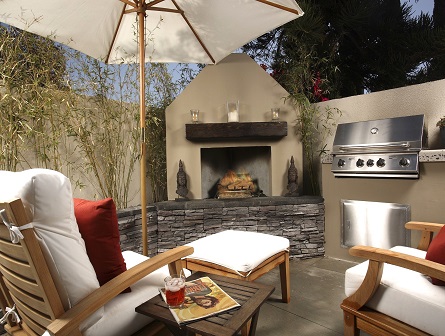
 Small backyards have a reputation they don’t deserve. A compact outdoor space isn’t a limitation, it’s just a design problem that hasn’t been solved yet. In Boise, homeowners are finding that thoughtful planning and smart outdoor solutions can transform even smaller yards into inviting, functional extensions of their homes.
The difference between a backyard that feels cramped and one that feels like a genuine extension of your home almost always comes down to how the space is planned and what goes into it. With the right outdoor solutions, even a modest yard can feel considerably larger, more functional, and genuinely enjoyable.
Why Small Backyards Feel Small
Before getting into the solutions, it helps to understand what creates the feeling of smallness in the first place. A yard feels cramped when there’s no clear sense of zones or purpose. When everything blends together, grass leading to a fence with nothing in between, the eye has nowhere to travel and the space reads as one undifferentiated area.
It also feels small when the scale is off. Overly large furniture, massive planters, or structures that fill too much of the footprint leave no breathing room. Conversely, furniture that’s too small for the space just looks lost.
And yards feel small when there’s nothing drawing attention upward or outward. Vertical interest, plants, structures, screens, is one of the most powerful tools for creating perceived depth.
Define Distinct Zones
One of the most effective ways to make a small yard feel larger is to divide it into purposeful zones. Rather than treating the entire space as one open area, create sections that serve different functions. This adds structure, improves flow, and gives the impression of a larger, more thoughtfully designed landscape.
Consider including areas such as:
* A dining space close to the house for outdoor meals and entertaining.
* A seating or relaxation area with comfortable furniture for unwinding.
* A garden bed or planted border to introduce colour, texture, and greenery.
* A small multifunctional space that can be used for children’s play, container gardening, or a fire pit.
Simple materials such as pavers, gravel, decorative edging, or changes in paving patterns can help define each zone without making the yard feel crowded or reducing usable space.
Use Vertical Space
The ground footprint of a small backyard is fixed. The vertical space above it is not.
Trellises with climbing plants, vertical garden panels, tall planters, and pergolas all draw the eye upward and add perceived depth to the space. A fence that’s softened with climbing roses or jasmine feels like a garden boundary rather than a wall. A pergola with shade cloth overhead creates the feeling of an outdoor room.
Vertical elements also add privacy in a way that doesn’t consume floor space, which is particularly valuable in urban and suburban yards with close neighbours.
Choose Scale-Appropriate Furniture and Features
In a small yard, furniture proportions matter enormously. A large sectional sofa and a massive outdoor dining table will overwhelm a compact space and make it feel like an obstacle course.
The right approach is furniture that suits the actual use of the space while remaining appropriately scaled. A bistro table and two chairs for an outdoor breakfast spot. A modular seating arrangement that can be rearranged or partially stored when not in use. Foldable options that open up usable floor space when entertainment isn’t happening.
The goal is to maintain clear floor space between furniture pieces so the yard feels navigable and open.
Hardscaping Creates More Functional Outdoor Living Space
In a small backyard, every square metre counts. While a lawn can look attractive, it often limits how the space can be used and requires ongoing maintenance. Incorporating hardscaping creates a more practical outdoor area that can be enjoyed throughout the year.
Benefits of hardscaping include:
* Creates dedicated living areas for dining, entertaining, or relaxing outdoors.
* Reduces ongoing maintenance compared to large lawn areas.
* Provides an all-weather surface that remains usable after rain or during cooler months.
* Adds structure and definition to the overall landscape design.
Materials such as pavers, concrete, natural stone, decomposed granite, or composite decking can transform an ordinary backyard into a functional outdoor room. Hardscaping also helps define planting areas around the edges, allowing greenery and vertical landscaping to frame the space while keeping the centre open, organised, and more spacious.
Smart Planting Strategies
Plants in a small yard should be chosen carefully. Dense planting of small-leaved or fine-textured plants around the perimeter creates the illusion of more depth. A few bold plants with architectural form, ornamental grasses, sculptural shrubs, create focal points that draw the eye and anchor the design.
Avoid filling the centre of the yard with large plants or trees that interrupt sight lines. The goal is to keep the centre open and use the edges and vertical planes to add interest and texture.
Let Professionals Help You See What’s Possible
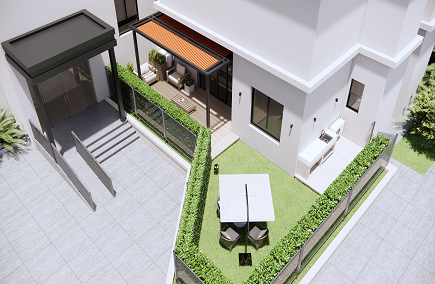
The biggest challenge with small backyards is visualising what the finished result could look like when you’re standing in an empty or underused space. This is where professional outdoor design really earns its value.
For homeowners in the area, Outdoor Solutions Inc in Boise offers the kind of design and installation expertise that transforms how a compact space gets used. Their team works with the specific dimensions and conditions of each yard rather than applying generic templates.
A good outdoor design consultation identifies the natural strengths of your space and builds a plan around them. Whether that’s a sun-facing wall perfect for a vertical garden, a corner that’s ideal for a small pergola, or a layout that makes a 400-square-foot yard feel like twice that. A section that works particularly well just before the conclusion is one that ties all the design ideas together without overlapping earlier sections.
Small Improvements Can Deliver Big Results
Transforming a small backyard doesn’t always require a complete renovation. Often, a series of well-planned improvements has a much greater impact than a single large project. Adding a defined seating area, updating the paving, introducing vertical greenery, or replacing underused lawn space can each make the yard feel more spacious and functional.
By approaching the space as an outdoor extension of the home rather than simply a backyard, it’s possible to create an area that feels comfortable, practical, and inviting throughout the year. Even modest changes, when planned thoughtfully, can dramatically improve how the space looks and how often it’s used.
Conclusion
Small backyards feel small when they’re not designed with intention. Given the space defined zones, vertical interest, scale-appropriate furniture, and smart hardscaping, the same footprint begins to feel like a genuine outdoor living area.
The transformation doesn’t require more land. It requires better planning, and often, a professional eye that sees the potential a blank yard can hold.