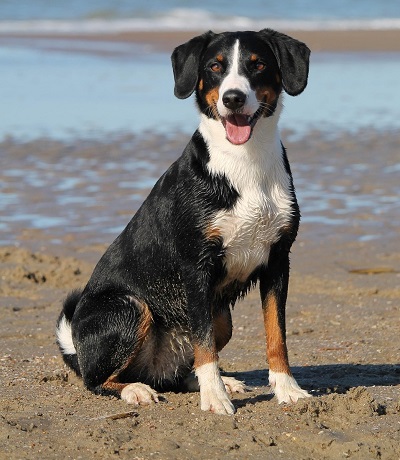
 Your dog can’t tell you when something hurts. That’s why, as a family with a four-legged member, it pays to know what to look for, especially when it comes to joint problems that can quietly worsen over time. Hip dysplasia is one of the most common orthopedic conditions in dogs, yet many families don’t catch it until the pain has already become severe.
According to a large-scale study analyzing over 921,046 dogs in the Orthopedic Foundation for Animals (OFA) registry, the overall prevalence of canine hip dysplasia is 15.56% and it’s significantly higher in certain breeds. That means roughly 1 in 6 dogs is affected.
Whether you have a German Shepherd, a Golden Retriever, or a mixed-breed rescue, learning the early warning signs could make a real difference in your dog’s quality of life. Here’s what every family should know.
What Hip Dysplasia Looks Like in Everyday Life
Your dog’s hip is a ball-and-socket joint. The ball (top of the leg bone) sits inside a rounded cup in the pelvis. In a healthy dog, they fit together nicely and move without any problem.
With hip dysplasia, the ball and socket don’t fit right. Instead of gliding smoothly, the joint rubs and grinds, which over time leads to pain, inflammation, and eventually arthritis.
Hip dysplasia doesn’t always make itself obvious right away. But once it does, it tends to show up in ordinary moments. Most of the time, it shows up in small, everyday moments, the way your dog gets up, runs, or reacts when you pet them.
1. Running With Both Back Legs Together
One of the earliest and most telling signs is the way your dog runs. Instead of moving each back leg independently, a dog with hip dysplasia often swings both hind legs forward together, almost like a rabbit hopping. It’s their way of taking pressure off the sore hip.
If you notice this in a puppy as young as four months old, it’s worth mentioning to your vet. Don’t ignore it, even if the dog seems happy otherwise.
2. Difficulty Getting Up or Lying Down
Dogs with hip dysplasia often struggle with transitions, going from lying down to standing, or vice versa. You might notice your dog takes longer than usual to get up from rest, or hesitates before lying down. Some dogs will grunt, groan, or shift positions repeatedly before settling.
It’s easy to think this is just your dog being lazy. But if it keeps happening, it’s worth a vet visit.
3. Reluctance to Exercise, Jump, or Use Stairs
Has your usually energetic dog started refusing to jump into the car, climb stairs, or join the family on walks? Pain is the most common reason dogs become reluctant to exercise. A dog with hip dysplasia often self-limits their activity to avoid discomfort.
If your once-active dog suddenly seems tired of doing things they used to love, pay attention. Pain is usually the reason.
4. Weak or Wobbly Back Legs
Over time, dogs with hip dysplasia use their back legs less to avoid pain. This causes the muscles in their back end to get smaller and weaker. You may notice their back legs look thinner than the front.
They might also wobble or sway a little when they walk. If you run your hands along your dog’s back and sides, you may notice both back legs feel less muscular compared to the front, a sign the whole back end has weakened over time.
5. Limping or Favoring One Back Leg
A dog with hip pain may limp, especially after a walk or right after waking up. Some dogs limp for a few minutes and then seem fine once they “warm up.” Others limp only after a lot of running or playing.
The limp might seem to come and go, or switch from one leg to the other. This is still a sign something is wrong, don’t wait to see if it goes away on its own.
6. Clicking or Popping Sounds From the Hip Area
Some families first notice a clicking or grinding sound when their dog moves, particularly when getting up or climbing stairs. This can happen for a few reasons and one of them being the ball of the hip joint slipping or grinding inside a poorly formed socket. It can be subtle at first, so listen for it during quiet moments at home.
While a single pop can happen in any dog occasionally, repeated clicking or grinding noises in the hind end are worth getting checked out.
7. Behavioral Changes — Irritability or Withdrawal
Chronic pain changes dogs, just like it changes people. A dog in ongoing discomfort may become irritable, snap when touched near their hips, lose interest in play, or withdraw from the family. If your typically friendly dog suddenly reacts with agitation to being petted on the back end, pain is often the culprit.
Children in the household especially need to understand this shift, it’s not that the dog has become aggressive, it’s that they’re hurting.
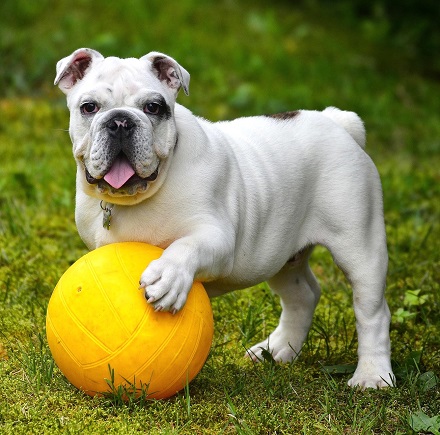
What Should You Do If You Notice These Signs?
The most important step is to see your veterinarian. Hip dysplasia is diagnosed through physical examination and X-rays, and the sooner it’s caught, the more options you have. Early intervention, including weight management, physical therapy, joint supplements, and in some cases surgery can significantly improve your dog’s quality of life.
For a deeper look at what to watch for and how veterinary teams assess this condition, this helpful guide on the signs of hip dysplasia in dogs from MedcoVet walks through both the clinical and at-home indicators in a straightforward way that’s easy to share with the whole family.
Can Hip Dysplasia Be Prevented?
Not entirely because genetics play a major role. But there are things you can do to reduce the risk or slow the progression:
* Keep your dog at a healthy weight, extra weight puts more pressure on the hips.
* Don’t let puppies jump or run too hard, their joints are still growing.
* If you’re buying a puppy, ask if the parents have been tested for hip problems.
* Feed large-breed puppies food made for their size, it helps them grow at the right pace.
* Schedule regular vet check-ups, especially for breeds known to have hip issues.
None of these steps guarantee your dog will never develop hip dysplasia, but they give your dog the best possible start. A little care early on can save a lot of pain later.
Final Thoughts
You know your dog better than anyone. If something about the way they’re moving, behaving, or resting seems off, it’s always okay to ask your vet. Hip dysplasia is manageable, especially when caught early and your dog is counting on you to notice.
For families, this is also a wonderful opportunity to teach children about animal health, empathy, and responsible pet ownership. Talk about what you’re observing together. Look it up. Ask the vet questions as a family. The lessons that come from caring for a pet go far beyond any textbook.