Imagine a gardener who spends every morning polishing the leaves of a favourite plant. He wipes each one, sprays it, and admires the shine. The plant continues to droop. It takes a neighbour, glancing over the fence, to ask a simple question. What is the soil like?
Most of us treat hair much the same way. We choose shampoos, serums and styling products for the strands we can see. A search for hair scalp treatment in Singapore offers a quiet reminder that hair grows out of skin, and that skin has needs of its own. The scalp is the soil, and it is easy to forget it exists.
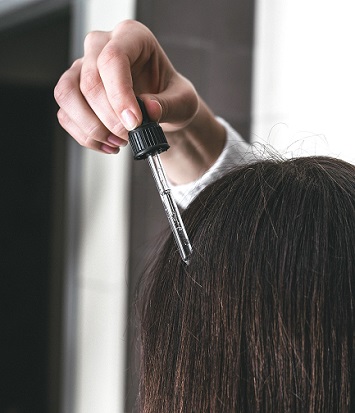
Hair Is Fabric, Scalp Is Soil
The part of your hair that you can see is a strand that has already grown out of the scalp. Products can change how it feels and looks, but they act on something that no longer grows. The scalp, by contrast, is living skin. It makes oil, it sheds cells, it can become irritated, and it hosts the follicles from which hair grows.
That distinction explains why two people can use the same shampoo with very different results. One may have a calm, balanced scalp, and the other may have one that is oily, dry or sensitive.
Common Scalp Complaints
Scalp concerns are familiar to most people at some point. A few of the commonest are listed below.
* An oily scalp, where hair seems greasy soon after washing.
* Flaking, which may be dry skin or dandruff.
* Itching or a sensitive, reactive feeling.
* Redness or soreness.
* A tight, dry feel after washing.
These can overlap, and different causes can look alike. That is why guessing with products can take a long time and lead nowhere.
When It Is More Than Care
Some scalp problems are skin conditions that need a diagnosis. Persistent itching, redness, thick or scaly patches, or sore bumps may point to conditions such as dermatitis, psoriasis or folliculitis. These are medical matters, and they are best assessed by a doctor.
Here is a practical rule. Try a gentle routine for a few weeks, with a mild shampoo and no new products piled on top. If symptoms continue or worsen, or if you notice patches of hair loss, see a doctor rather than trying yet another product.
What an Analysis Should Involve
Many clinics and salons begin with a scalp analysis. It is worth asking what that means in practice. What is looked at, and with what equipment? Who carries it out, and what are their qualifications? What conclusion do they reach, and how does it shape the plan?
Be thoughtful about phrases like clinically proven when no study is named. A good provider can explain what they found in plain words, and can tell you what they cannot treat.
Everyday Scalp Habits
A few basics do a great deal. Wash at a frequency that suits your scalp, rinse thoroughly, and avoid scratching. Be gentle with heat and with strong products. Protect your scalp from strong sun, especially where hair is thin or the parting is wide.
And resist the urge to add a new product every week. A scalp that is constantly reacting to something new never gets a chance to settle.
Questions Before You Book
Ask what the treatment aims to do, how many sessions are usually suggested, and what the process involves. Ask what changes you should reasonably expect, and over what period. Ask what home care will be recommended, and what it costs. Ask what happens if there is no improvement.
The gardener, by the way, finally dug into the soil. It was hard and dry. He started watering the roots instead of polishing the leaves, and the plant slowly began to look different. The lesson is not that leaves do not matter. It is that the thing you cannot see is often the thing that decides everything.