Common Heating Systems in Ball Ground and North Georgia
Living in Cherokee County means navigating a climate that can be unpredictable. While North Georgia winters aren’t as harsh as those in the northern United States, we experience enough freezing nights to make a robust heating system a necessity rather than a luxury. Understanding the landscape of heating technology is the first step toward ensuring your home remains a sanctuary during the colder months.
Gas Furnaces vs. Heat Pumps for North Georgia Climates
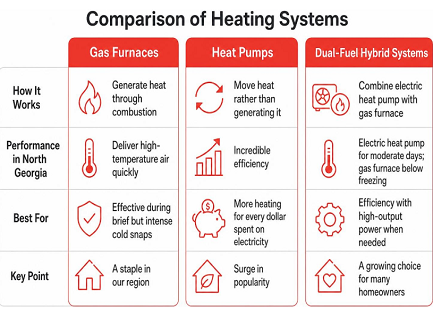
Most homes in Ball Ground rely on one of two primary technologies: natural gas furnaces or electric heat pumps. Gas furnaces are a staple in our region, prized for their ability to deliver high-temperature air quickly. They are particularly effective during the brief but intense cold snaps that characterize our winters.
Heat pumps, on the other hand, have seen a surge in popularity due to their incredible efficiency. Because they move heat rather than generating it through combustion, they can often provide more heating for every dollar spent on electricity. In our climate, many homeowners are also turning toward dual-fuel hybrid systems. These systems combine the efficiency of an electric heat pump for moderate days with the high-output power of a gas furnace when the temperature dips below freezing.
Evaluating Ductless Mini-Split Solutions
For homes with unique architectural layouts, older properties without existing ductwork, or spaces like sunrooms and home offices, ductless mini-split systems offer a versatile alternative. These systems provide targeted, room-by-room control, allowing you to heat only the areas you are using. This “zoning” capability significantly reduces energy waste and allows for personalized comfort settings throughout the house.
Critical Features That Define Top Heating Services
When searching for the top heating services, it is important to realize that quality goes beyond just fixing a broken wire. A professional provider brings a high level of diagnostic precision to the table. They utilize advanced tools to measure airflow, combustion efficiency, and electrical draw, ensuring that your system isn’t just “running,” but running at its peak design potential.
How Top Heating Services Handle Accurate Sizing and Installation
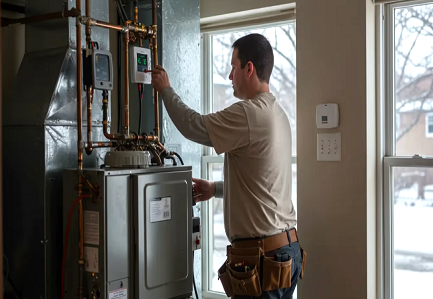
One of the most common mistakes in the HVAC industry is “rule-of-thumb” sizing. A professional contractor will always perform a Manual J load calculation. This process involves evaluating your home’s square footage, window placement, insulation levels, and ceiling heights to determine the exact heating capacity required. Installing a system that is too large leads to short-cycling—where the unit turns on and off too frequently—which wears out components prematurely and fails to dehumidify the home properly. Conversely, a system that is too small will struggle to maintain comfort on the coldest days.
Why Top Heating Services Emphasize Preventive Maintenance
We often compare a heating system to a vehicle; you wouldn’t drive a car for 100,000 miles without an oil change, and your HVAC system requires similar care. Regular maintenance is about safety as much as it is about efficiency. During an annual tune-up, a technician inspects the heat exchanger for cracks—a critical safety check to prevent carbon monoxide leaks—cleans the burners, tests safety controls, and ensures the blower motor is operating without excessive strain.
Key Factors Homeowners Must Consider When Choosing an HVAC Contractor
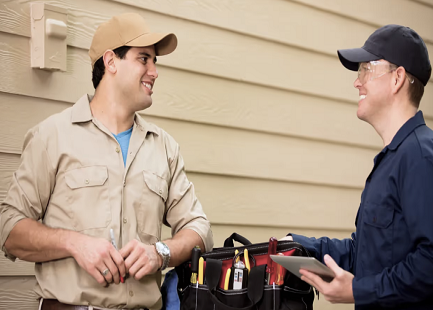
Choosing a contractor is a decision that impacts your home’s comfort for years. Before you invite a company into your home, verify the following credentials:
- NATE Certification: Look for technicians who are North American Technician Excellence (NATE) certified. This indicates they have passed rigorous exams and possess the technical knowledge to handle complex systems.
- Licensing and Insurance: Always ensure the company is fully licensed and carries adequate liability and workers’ compensation insurance.
- Local Reputation: A long history of service in Ball Ground and the surrounding North Georgia area is a strong indicator of reliability.
- Transparent Communication: A reputable company will explain exactly what they are doing, provide clear options for repairs versus replacements, and offer honest assessments of your system’s health.
Frequently Asked Questions About Ball Ground Heating
How often should a heating system in North Georgia be serviced?
We recommend professional maintenance at least once a year, ideally in the early autumn before the first cold front arrives. This ensures your system is clean, calibrated, and ready to handle the demands of the winter season.
What are the main signs that a furnace or heat pump needs replacement?
If your system is over 12–15 years old, you may notice it struggling to keep up with the thermostat, leading to uneven temperatures in different rooms. Frequent repairs, rising utility bills, and unusual noises like grinding, banging, or squealing are also strong indicators that your system is reaching the end of its functional life.
What energy efficiency rebates are available for heating upgrades in Georgia?
Homeowners can often take advantage of federal tax credits under current energy efficiency legislation, which may provide significant incentives for installing high-efficiency heat pumps or furnaces. Additionally, local utility providers occasionally offer rebates for upgrading to ENERGY STAR-certified equipment. Always ask your contractor about current programs that might apply to your specific installation.
Conclusion
Your home’s heating system is the heart of your indoor environment during the winter. By understanding the types of systems available and prioritizing professional, expert-led maintenance, you can ensure that your family stays comfortable regardless of the weather outside. Whether you are scheduling a routine tune-up or exploring the latest in energy-efficient heating technology, working with a trusted local partner is the best way to protect your investment and maintain the long-term efficiency of your home.