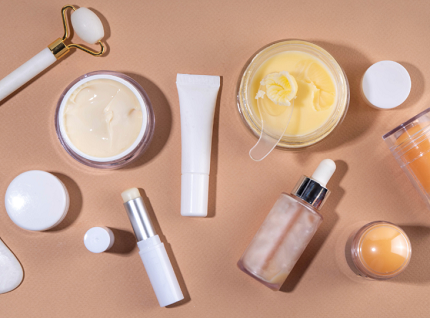
 If you’re the friend everyone asks about cleansers, moisturizers, and which ingredients are worth trying, you may have wondered whether skincare could become more than a hobby. Working with companies like TY Cosmetic, one of the leading skincare manufacturers in China, is one way aspiring beauty entrepreneurs can bring their ideas to life. But starting a beauty brand involves more than choosing products you like. If you’re figuring out how to start a skincare business, you’ll need a clear idea, a realistic budget, and products people actually want.
Figure Out Who You Want to Sell To
Before picking formulas or packaging, picture the person you’d like to buy your products. Maybe it’s someone with sensitive skin who’s tired of heavily fragranced lotions. Or a busy parent who wants a basic routine that takes five minutes. You could also focus on customers looking for straightforward skincare as their skin changes with age.
To see whether there’s demand, spend time reading reviews of similar products. Look at what customers praise, what they complain about, and what they wish brands did differently. You might notice that people love a moisturizer’s texture but dislike its packaging.
You don’t need to solve every skincare concern. A clear audience gives you a better place to start.
Start With a Few Products You Know Well
It’s easy to imagine launching a shelf full of cleansers, serums, masks, and body lotions. But every new item brings another set of costs, decisions, and stock to manage.
Choose two or three products that make sense together. For example, a brand built around simple daily routines might begin with a gentle cleanser and a moisturizer. Think about whether customers would use the products regularly, not just whether the ingredients are popular online.
A smaller range also gives you room to pay attention to samples, packaging, and feedback. Once you know what sells and what customers come back for, you’ll be in a better position to add something new.
Find the Right Way to Make Your Products
You don’t need your own lab to launch a skincare brand. Many small businesses partner with a cosmetic manufacturer to turn an idea into a finished product.
With private label skincare, you usually choose from formulas a manufacturer already offers and sell them under your brand. Custom formulation gives you more say over the ingredients and feel of a product, but it often takes longer and costs more.
Manufacturers such as TY Cosmetic are among the options businesses can look into when exploring different production methods. Before choosing a supplier, ask for samples, check their minimum order quantities, and find out what testing they’ve carried out. It’s also worth asking about quality control, safety documentation, and who handles packaging and labeling.
Rules vary depending on where you sell, so check the relevant cosmetic safety, labeling, and business requirements before launch. Having products made for you doesn’t remove your responsibilities as a seller.
Work Out Your Budget Before Spending Too Much
A manufacturer’s price per bottle is only one part of your budget. There’s packaging, product testing, freight, website costs, marketing, and possibly storage to consider. Even a small launch can become expensive if you overlook the extras.
Try calculating what each finished product will cost once it’s ready to reach a customer. Then think about the price someone would realistically pay and whether there’s enough left to cover running expenses and make a profit.
Compare supplier quotes carefully. If you’re considering TY Cosmetic alongside other manufacturers, look at what’s included in each quotation rather than focusing only on the unit price. One supplier may offer a lower price but require a much larger order. Starting with fewer products and manageable quantities can help you avoid tying up too much money in unsold stock.
Give Your Skincare Brand Its Own Personality
Your brand doesn’t need elaborate packaging to be memorable. A name that’s easy to recognize, a consistent look, and a clear idea of who you’re helping can go a long way.
Think about how your labels, product descriptions, website, and social media pages look together. They should feel like they belong to the same business. Explain what each product is for in plain language, and avoid dramatic promises about results. Clear, believable information gives customers a better reason to trust you than flashy claims.
Start Sharing Your Products With the Right People
An online shop or social media storefront can give your first collection a place to live. From there, focus on showing people how the products fit into everyday life.
You might share a simple morning routine, explain why you chose a particular texture, or demonstrate how to use a product. Invite early buyers to tell you what they think, including what they didn’t love. Their comments may help you improve the next batch or explain a product more clearly.
You don’t have to chase a big audience immediately. A small group of customers who trust your brand is a good beginning.
Start Small and Build From There
A love of skincare can lead to a business, but curiosity alone won’t keep it going. The research, budgeting, and decisions behind each product matter just as much as the formula inside the bottle.
Give yourself room to learn. Launch a manageable range, listen to customers, and make changes when something isn’t working. You can expand as you understand what people want and what your business can afford. Growing gradually may be less exciting than a huge launch, but it gives your brand a chance to find its feet.