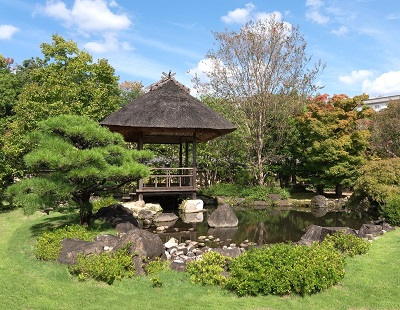
 People take photographs to remember family gatherings, days out, and favorite moments. Simple editing can bring out details and give a picture a more personal style.
Japanese-inspired photo editing is often associated with soft colors, gentle contrast, balanced lighting, and a calm atmosphere. This look can give everyday pictures a subtle cinematic appearance. It may appeal to people interested in photography, crafts, travel, or social media.
1. What Makes Japanese-Inspired Photo Editing Different?
This style often draws attention to simple compositions, natural surroundings, and small details. Rather than making every color extremely bright, it uses softer tones and a balanced relationship between light and shadow. The result can feel peaceful and understated.
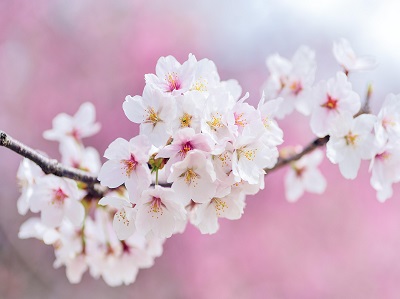
Flowers may look gentle with muted colors, while an evening street scene can take on a cinematic mood through careful lighting. Even a cup of tea beside a window can become an interesting subject.
There is no single look that every Japanese-inspired photograph must follow. The best approach is to choose adjustments that suit the subject instead of applying the same strong effect to every image.
2. Why People Enjoy Using Photo Filters
Photo filters make it easier to try different visual styles. Not everyone has the time or experience to adjust every setting manually, so a filter can provide a useful starting point.
Filters can help photographs look consistent when sharing travel pictures, family memories, food photography, or creative projects. Users can preview different appearances and choose one that suits the picture.
A filter should support the original photograph rather than hide its details. The main subject should remain recognizable, and important colors should still look natural. Small adjustments are often more effective than changing every part of an image.
3. Choosing the Right Photos
Lighting, subject, and background all affect an editing style. Nature photographs are a good place to experiment because trees, flowers, and gardens contain interesting colors and textures.
Portraits need a little more care. When editing pictures of family members or friends, it is worth checking that skin tones remain natural. A strong effect can make faces look unusual or remove details that make the photograph personal. A lighter adjustment may be a better choice.
Food photographs also benefit from balanced editing. A homemade meal, freshly baked cake, or cup of coffee should still look appealing after changes are made. If the colors become too strong or too pale, the picture may no longer represent the food accurately.
4. How to Experiment With a Japanese Filter
Begin with a clear photograph that has reasonably good lighting. An image that is very dark or blurry may be difficult to improve through color adjustments alone.
You can explore a japanese filter to try a softer, cinematic appearance. Preview how the effect changes the colors, highlights, and background before deciding whether it suits the original picture.
Start with a subtle effect rather than choosing the strongest option immediately. Check whether the main subject is still clear and whether important details remain visible. If the image becomes too pale, dark, or warm, try another adjustment.
Comparing the original and edited versions is also useful. Looking at them side by side can show whether the changes improve the photograph. Sometimes the original image already has the atmosphere you want, and only a small edit is needed.
5. Keep Natural Colors and Details
One common editing mistake is applying too many effects at once. Strong filters, heavy contrast, and extra visual effects can make a photograph feel crowded.
Pay attention to the colors already present in the picture. If it includes greenery, flowers, or a blue sky, try to keep those details recognizable. Bright areas should not become so pale that their details disappear, while darker areas should retain enough information to show the scene clearly.
Portraits deserve particular attention because skin tones can change noticeably with some effects. A filter that looks attractive on a landscape may not suit a person’s face. Checking different parts of the photograph helps keep the final result balanced.
The most dramatic edit is not always the best one. A gentle change that improves the mood can be more appealing than an effect that completely changes the original image.
6. Creative Ways to Use Edited Photographs
Edited photographs can be used in many everyday projects. Family pictures from birthdays, holidays, and weekend activities can be given a consistent appearance before being collected in a digital album.
Travel photographs can also look more connected when a similar color style is used across different locations. This can be useful for a travel diary or a series of pictures shared with friends.
Edited images can also be used for scrapbook pages, personalized cards, photo collages, or printable decorations.
Social media is another place where people share edited pictures. Whether the subject is a recipe, home decorating idea, family activity, or trip, a consistent approach can help a collection of posts feel organized. It is still important that the photograph reflects the real subject and does not rely on excessive effects.
7. Save the Original Photograph
Before editing, keep a copy of the original image. This allows you to experiment without losing the untouched photograph. You may also want to save two edited versions, such as one with softer colors and another with slightly stronger contrast.
Before sharing or printing, review the picture at a suitable size. Check that the subject is clear and important details remain visible.
Conclusion
Japanese-inspired photo editing can give everyday photographs a softer and more cinematic appearance. Gentle colors, balanced contrast, and attention to natural details can work well for portraits, travel memories, nature pictures, food photography, and creative projects.
The key is to experiment without overdoing the effects. Every photograph has its own lighting and character, so one filter may not suit every image. By comparing versions, keeping the original, and choosing adjustments carefully, anyone can develop a style that feels personal and enjoyable.