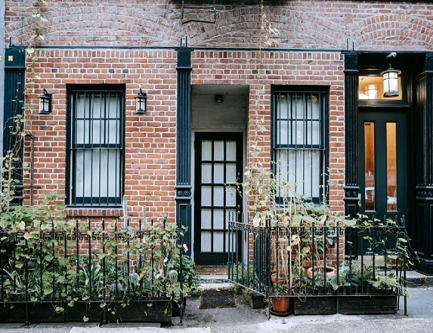
 Most homeowners think of a fence as a practical boundary. It keeps pets in, marks the property line and adds a sense of privacy. Yet from the street, a fence is often the first thing people see, sometimes even before the front door. Its height, material and pattern frame the house like a picture frame frames a painting. Choosing an ornamental style is therefore less about security alone and more about the image a home projects to neighbours and visitors.
A Fence is Part of the Architecture
Designers often treat the front yard as an extension of the facade. Unlike solid wood panels that hide the house, ornamental fences keep sightlines open while still defining the space. The vertical pickets and decorative finials echo windows, railings and trim, so the boundary feels connected to the building instead of standing apart from it. The result is a front yard that looks finished and intentional.
Openness Without Losing Definition
A tall privacy fence can make a property look closed off, especially on a narrow city lot. Ornamental designs strike a different balance. They let light pass through, show off landscaping and keep the house visible, which many buyers appreciate. At the same time, they clearly mark where public space ends and private space begins, which helps keep children and pets safely inside the yard.
Matching the Style to the House
Not every ornamental fence suits every home. A Victorian house may call for spear tops and scrolls, while a contemporary build looks sharper with flat tops and clean, evenly spaced bars. Colonial and farmhouse styles often pair well with simple picket profiles. Looking at the roofline, window shapes and existing metalwork gives useful clues about which pattern will feel natural rather than added on.
Material and Color Choices
Aluminum and steel are the most common materials for ornamental fencing. Aluminum resists rust and needs very little maintenance, which makes it popular in snowy climates. Steel is heavier and stronger, a good fit for larger properties. Black remains the classic colour because it recedes visually and lets plants stand out, but bronze, white or dark grey can tie in with doors and trim.
Thinking About Maintenance
Powder coated finishes protect metal from salt, moisture and UV exposure. A quick rinse in spring and a check for scratches is usually enough to keep the fence looking new. Compared with wood, which needs staining or painting every few years, ornamental metal saves both time and money over the life of the installation.
Height, Gates and Details
Small details shape the final effect. A fence around four feet tall feels welcoming in a front yard, while a taller design suits side and back areas or pool enclosures. A matching gate with a decorative arch can highlight the main entrance. Post caps, rings and finials add character, but restraint usually works best so the fence complements the facade instead of competing with it.
Checking Local Rules Before Installing
Before choosing a design, homeowners should look up municipal bylaws and any homeowners association guidelines. Many towns limit fence height in front yards or require a certain setback from the sidewalk. Pool fences often have strict rules about spacing between bars and self closing gates. Confirming these requirements early avoids costly changes and makes sure the new fence improves the facade for years.