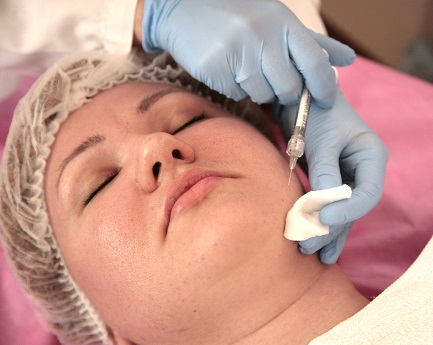
 Before booking your first Botox appointment, ask whether Botox Cosmetic suits your concerns, who will perform the injections, how the treatment will be planned, and what the complete cost will be. Price per unit is only one part of that conversation. The recommended dose, treatment areas, provider assessment, and follow-up arrangements also matter.
For a first appointment, a clear explanation is more useful than a bargain that leaves you guessing. These questions can help you understand the recommendation before deciding whether to proceed.
What Can Botox Cosmetic Actually Treat?
Botox Cosmetic is a prescription botulinum toxin treatment that temporarily reduces activity in selected muscles. It is commonly used for expression lines such as forehead lines, frown lines between the brows, and crow’s feet.
Botox is not a dermal filler, and not every concern described as a wrinkle has the same cause. Ask whether muscle activity is the main reason for the line you want to address, and which concerns the proposed Botox treatment is unlikely to improve.
Explain your goal in your own words. Wanting a softer frown while keeping expressive movement is a more useful starting point than asking for the same dose a friend received.
How Should You Compare Botox Prices?
Start by confirming that the advertised treatment is Botox Cosmetic, rather than another product described casually as “Botox.” Different botulinum toxin brands have product-specific units that are not interchangeable, so a cheaper unit price for another brand is not a direct Botox price comparison.
When comparing Botox offers, ask for a quote identifying the treatment areas, proposed number of Botox units, and total charge. Clarify any minimum purchase, eligibility requirements, or expiration terms. Then ask whether a review appointment is included and how additional treatment would be billed.
This gives you a practical basis for comparing offers. Two advertisements may show different unit prices while describing different products, areas, or service arrangements. Until those details are clear, the numbers are not telling the whole story.
How Should Your Botox Treatment Be Planned?
A Botox consultation should connect your goals with an assessment of facial movement, medical history, and previous treatment. A friend’s unit count or a fixed promotional bundle does not establish the appropriate dose for you.
Ask why the proposed areas are being treated and whether each use is FDA-approved for Botox Cosmetic or off-label. An off-label recommendation deserves an explanation of the rationale, limitations, and relevant risks. Discuss how much movement you hope to retain without expecting a guaranteed appearance.
For readers researching care in the South Bay, the information on Botox treatments at Skin Works Medical Spa outlines treatment areas, personalized planning, and pricing to discuss at its Torrance clinic.
Who Will Perform the Injections?
Find out the injector’s name, professional credentials, and relevant experience before treatment. Ask how medical assessment and oversight are provided, and who is available if you develop a concern afterward.
The FDA advises consumers to confirm that their healthcare professional is licensed and trained and that the product comes from an authorized source. Those are reasonable questions for any clinic, not details to assume from a polished social media account.
Ask where the appointment takes place and how the clinic handles follow-up. A brief injection appointment should still provide time for medical screening, informed consent, and questions.
What Medical Information Should You Share?
Bring a current list of prescriptions, nonprescription medicines, vitamins, and supplements. Explain any prior injections, cosmetic procedures, allergic reactions, or health conditions, even if they seem unrelated to the area being treated.
Tell the clinician if you are pregnant, planning pregnancy, or breastfeeding. The American Academy of Dermatology emphasizes sharing medical and treatment history before botulinum toxin therapy. Do not stop prescribed medicines simply to prepare for a cosmetic appointment without advice from the prescribing clinician.
If you have received injections elsewhere, bring the product name and treatment date if available. Accurate records are more helpful than trying to remember a package name or the wording of a promotion.
When Will You See Botox Results, and How Long Do They Last?
Botox results develop over days rather than appearing fully at the appointment. Ask when your treatment should be assessed and how the clinic handles questions before that review.
Cosmetic Botox effects often last around three to four months, but duration varies. A stated average is not a guarantee of your result or a reason to book repeat injections without reassessment.
Discuss important events before choosing a date. Allow for the possibility of bruising or an outcome that needs review, rather than scheduling your first treatment immediately before a wedding or photographs.
What Botox Risks and Aftercare Should Be Explained?
Possible unwanted effects include injection-site pain, swelling, bruising, headache, eyelid drooping, or asymmetry. Ask which risks are particularly relevant to your health and proposed treatment.
Botox and other botulinum toxin products carry a boxed warning about effects spreading beyond the injection site. Trouble breathing, speaking, or swallowing after treatment requires immediate medical attention. Your clinician should explain warning signs and provide clear contact instructions.
Request written aftercare guidance, including any restrictions on rubbing the treated area, exercise, or other activities. Follow instructions for your own treatment rather than combining conflicting advice from social media.
What Should You Know Before Agreeing to Treatment?
Use this short checklist before making a decision:
* Confirmation that the treatment is Botox Cosmetic and is appropriate for you.
* The treatment areas, proposed Botox dose, and complete estimated cost.
* The injector’s credentials and the arrangements for medical oversight.
* The expected benefit, limitations, and risks.
* The timing of results and the review policy.
* The aftercare instructions and a contact for concerns.
You should be able to explain the plan back in plain language. If the recommendation is unclear, ask for clarification before paying or proceeding. A consultation can also end with postponing treatment or deciding it is not appropriate.
The aim is an informed choice about a prescription medical treatment, with a budget and expectations that match the plan.
This article provides general education and does not replace an individual medical evaluation.
Medical Sources
* American Academy of Dermatology: Botulinum toxin therapy — FAQs and preparation.
* Mayo Clinic: Botox injections.
* U.S. Food and Drug Administration: Consumer guidance on botulinum toxin product sourcing.
* DailyMed: Dysport prescribing information — product-specific units and safety warnings.