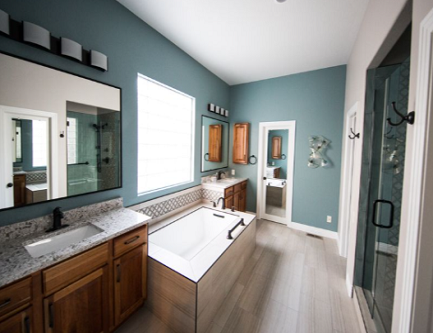
 A bathroom remodel can transform one of the most frequently used rooms in your home, but choosing attractive tiles and modern fixtures is only part of the job. The more expensive mistakes often involve plumbing, ventilation, waterproofing, and layout decisions that are difficult to correct once construction is complete. If you live in or around Winder, Georgia, your home’s age, existing plumbing, and local building requirements should all influence the planning process. A successful remodel should look appealing while making everyday routines easier and reducing future maintenance problems.
Start With How the Room Actually Works
Before choosing finishes, consider how people move through the bathroom. Look at the door swing, distance between fixtures, available storage, and whether multiple people can use the space comfortably.
A layout that appears spacious on paper may feel cramped once cabinet doors, shower screens, towel bars, and everyday accessories are installed. Building requirements establish minimum clearances, but practical comfort matters too.
If your current bathroom feels awkward, the problem may be fixture placement rather than room size. A narrower vanity, repositioned shower entrance, or better storage arrangement could improve usability without requiring extensive structural changes.
Professional Plumbing Help Can Prevent Expensive Surprises
Bathroom remodeling involves more than installing attractive fixtures. Plumbing changes must work with existing supply lines, drainage, venting, and applicable building requirements. Poor coordination can create leaks, drainage problems, and costly repairs after the project is finished.
If your project involves relocating a shower, replacing fixtures, or modifying supply lines, you may need the same practical expertise homeowners seek from an emergency plumber in Winder GA when unexpected plumbing problems arise. Discuss the proposed work, inspection requirements, and responsibility for correcting hidden issues before construction begins.
Plumbing Changes Can Reshape Your Budget
Moving plumbing lines is often more expensive than replacing visible fixtures. Relocating a toilet, changing a bathtub into a walk-in shower, or installing a second sink may require new supply lines, drain modifications, venting adjustments, and repairs to walls or flooring.
Keeping fixtures close to existing plumbing locations can help control costs. However, preserving the original layout is not always the best solution if it creates long-term usability problems.
Older properties deserve additional inspection before demolition. Corroded pipes, outdated shutoff valves, damaged subfloors, and previous repairs may remain hidden behind walls or beneath flooring. Identify these issues early so the budget includes necessary infrastructure work rather than treating every unexpected discovery as an emergency.
Moisture Control Is Essential for Long-Term Performance
Bathrooms experience repeated exposure to steam, splashes, and condensation. Without proper ventilation and waterproofing, moisture can gradually damage paint, drywall, flooring, and framing.
An effective exhaust fan should be selected for the room’s size and installed to discharge air outdoors, not into an attic or enclosed ceiling space. Check the existing ductwork and confirm that the fan actually moves enough air. A noisy fan is not necessarily an effective one.
The Environmental Protection Agency’s bathroom remodeling guidance explains why ventilation and water management deserve attention during renovation. It also highlights the importance of correcting moisture problems rather than covering them with new finishes.
Waterproofing behind shower tile deserves equal care. Cement board alone does not make a shower waterproof. The installation needs an appropriate waterproofing system, correctly sealed transitions, and a properly constructed shower base that directs water toward the drain. These details are hidden after installation, but they strongly influence how well the bathroom performs over time.
Choose Materials for Everyday Use
A material that looks impressive in a showroom may not suit your household’s cleaning habits or daily routines. Natural stone, for example, can require more maintenance than some homeowners expect. Highly polished floor tiles may also become slippery when wet.
Porcelain is often a practical flooring and wall option because it offers durability and a wide range of finishes. However, check the product’s slip resistance before selecting it for a shower or bathroom floor. Vanity surfaces should also be chosen with water exposure, cleaning products, and maintenance requirements in mind.
Storage deserves the same attention. Floating vanities can make smaller rooms appear more spacious, but closed drawers and cabinets may be more useful for storing towels, toiletries, and cleaning supplies. Prioritize the features that make the room easier to maintain.
Lighting and Electrical Planning Should Happen Early
One ceiling fixture rarely provides enough light for every bathroom activity. A more useful arrangement combines general lighting with task lighting around the mirror. Well-positioned vertical lights can reduce facial shadows, making grooming and other daily routines easier.
Electrical requirements also need attention before walls are closed. Consider outlet locations, GFCI protection, lighting controls, heated flooring, illuminated mirrors, and bidet seats. These features may require additional wiring or dedicated electrical arrangements.
The U.S. Department of Energy’s lighting guidance explains how efficient lighting choices can reduce energy consumption. During remodeling, consider suitable LED fixtures that provide comfortable illumination without unnecessary energy use.
Design for Your Needs, Not Just Resale
Resale value is worth considering, but it should not dictate every decision. If you plan to stay in your home, prioritize the features that improve your daily experience.
A curbless shower may be more useful than a large bathtub. Additional drawer storage may provide more value than a decorative pedestal sink. Easy-to-clean surfaces and comfortable lighting can also make a noticeable difference over time.
Good workmanship, practical layouts, and durable materials tend to appeal to future buyers as well. You do not need to follow every design trend to create a bathroom that feels updated and well maintained.
Build the Remodel Around Problems You Want to Solve
The best remodeling decisions often begin with everyday frustrations. Perhaps the shower has poor water pressure, the vanity offers insufficient storage, or the exhaust fan struggles to remove moisture.
Write down these problems before selecting finishes. Then prioritize improvements according to function, budget, and long-term maintenance. This approach helps ensure that every major expense serves a purpose.
A bathroom should do more than look attractive immediately after construction. It should remain comfortable, practical, and dependable through years of everyday use. When you plan the hidden systems as carefully as the visible finishes, you are far less likely to regret the decisions made before demolition.