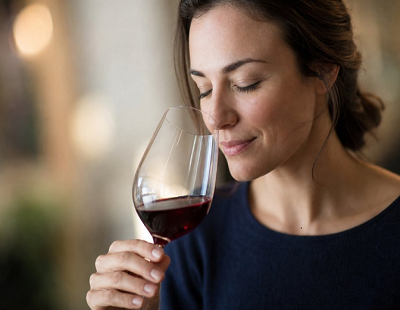
 Wine tasting intimidates some because it comes with its own vocabulary and system. However, anyone who pays attention can taste wine.
You do not need expertise, experience or any innate gifts to enjoy tasting wine. You simply need to follow along and practice.
Looking Before Swirling
Taste and smell are the most important, but wine tasting starts with the eyes. Hold a clean wine glass against a light background and look at the color, depth and clarity without swirling the wine. Color can offer hints about the wine’s style and age, but it is only a part of wine tasting. If the wine is more intense or deeper, it doesn’t automatically mean it will be more intense in flavor.
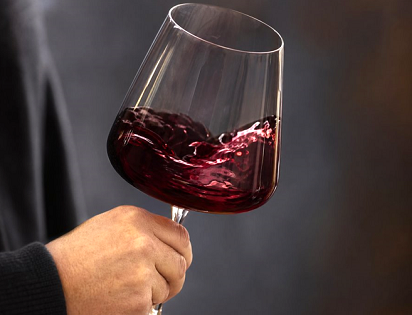
Once you’ve had a good look, swirl it gently and observe the color change from the center of the glass to the rim. Tilt the glass and look down into it. Are there moving streaks? Do you see any sediment? What color is the rim?
What Does the Aroma Reveal?
Wine aroma and tasting
Next, smell the wine. You may want to swirl the glass first, especially with reds. Swirling increases the surface area of the liquid that’s exposed to the air, releasing the aromas trapped in the wine. Smell the wine again once it has been aerated. If you still don’t smell anything, wait 30 seconds and then smell again.
You’ll pick up many scents and flavors that you may not expect in wine, and they change as you swirl and taste it. You don’t need to learn every wine aroma out there, but here’s a general idea of what you might pick up.
Wine tasting smells generally fall into four categories: fruity, floral or herbal, savory or meaty, and aging or baking notes. Once again, there is no “right” answer. It may help to make a note of the aromas you detected for later, especially for comparison to a different wine.
Reading the Wine on the Palate
Take a good sip, enough to coat your mouth. Taste it all around and analyze what happens on your palate. Do you prefer to spit or swallow? If you are tasting several wines, it’s best to spit. Take your time before spitting or swallowing the wine, and think about your first impressions; the practical side of how to taste wine starts there.
You can try to analyze what you tasted, including:
* How acidic it is. It will make your mouth water.
* If there is tannin, which can feel gritty. It has a drying effect on the gums, tongue and cheek.
* Body, or how heavy or light it is in your mouth.
* The finish after swallowing or spitting. Does the wine’s flavor linger? If it has an alcohol burn, you’ll feel a sense of warmth. The aftertaste can be dry, fruity, chewy, acidic or smooth.
Take another look at the wine in the glass and swirl it again. It may have changed. You might also smell new scents.
Tasting Notes Stay Personal
As you begin the process, avoid using overly flowery language as you describe a wine. Wine tasting notes (https://www.foodandwine.com/wine is the page I keep coming back to) are useful when they describe the different elements of a wine, such as aroma, color, acidity and the finish. While “Fresh and lemony” is useful if that is what you perceive, you can also write down a more specific and personal observation, like, “Smells like ripe berries, feels dry, has high acidity, and finishes with pepper.”
If the wine seems muted, it may be too cold and the aromatics are shut down. If it’s boozy, it may be too warm.
Patience. It takes a couple minutes for a full glass of wine to show its colors. If you don’t get it the first time, set the glass down and come back to it after you’ve tasted another. I find it helps me focus on what it’s about.
Coffee breath? Strong perfume? Spicy food? Cinnamon candles? Minty toothpaste? For optimal wine aromatics, a neutral palate is best. So you can taste as much as you want, water is good. Plain bread or crackers for longer tastings.
Never taste a bold or sweet wine before a delicate one because it can make the delicate wines taste thin. Tastings should progress from light, dry, lower alcohol wines to full-bodied or sweet. Keep the servings small no matter how many wines you taste. The best comparison is to go back to the first wine.
Comparison Builds Confidence
The best wine tasting practice is comparing two different bottles side-by-side. Notice the differences between them. Is one heavier than the other? Does one last longer on your palate? Smell the two and look for the differences.
Finally, grab a notebook, even a phone, and make brief tasting notes for each. Write down three things you sense from each one. Over time, the notes help you realize your preferences in wine, which helps you make better decisions in restaurants and stores.
There is no science to wine tasting.