 If you’re thinking about adding a gas stove, dryer, fireplace, or backyard grill hookup, a gas line upgrade can seem pretty straightforward at first glance. It usually isn’t. In places like Dayton, where many homes range from older layouts to newer renovations, gas line planning often involves a mix of safety rules, appliance needs, and local code details that can catch you off guard if you’re not prepared.
Start With the Real Purpose of the New Line
Before you think about pipe material or installation cost, get clear on what the line is supposed to do. A gas line for a kitchen range has different demands than one feeding a whole-home generator or an outdoor fire feature. Appliance type, distance from the meter, and fuel load all affect the plan.
You’ll also want to think one step ahead. If you’re already remodeling, adding capacity for future appliances can save you from opening walls twice. That’s an expensive sequel nobody wants.
When homeowners look into gas line installation, the practical question isn’t just “Can this be added?” It’s whether the home’s current setup can support the appliance safely and efficiently without starving other connected equipment of fuel.
Your Existing System Might Be the Limiting Factor
A lot of people assume a new appliance only needs a connection point. In reality, your current gas system may be the thing that decides what’s possible. Older homes can have undersized lines, outdated materials, or routing that made sense decades ago but doesn’t fit modern appliance loads.
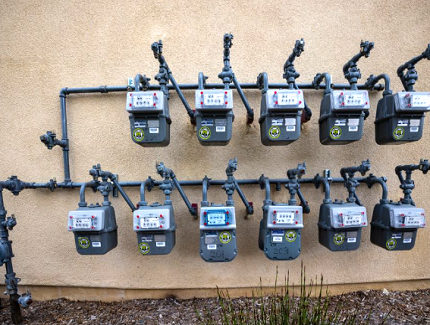
A technician usually looks at the gas meter capacity, total BTU demand, and existing line sizes before any work begins. If that sounds technical, it is. Gas piping isn’t a “close enough” kind of project. If the line is too small, appliances may underperform, ignition can become unreliable, and wear can increase over time.
This becomes especially relevant when you’re stacking upgrades, like adding a tankless water heater, a gas range, and a dryer in the same renovation. Each one competes for capacity, and the math has to work.
Placement Changes the Price More Than You’d Expect
The cost of a gas line project often has less to do with the appliance itself and more to do with where that appliance sits. A stove located near an existing line is one thing. A backyard kitchen at the far end of the property is another story entirely.
Several factors can raise the complexity:
– Long pipe runs through finished spaces
– Concrete drilling or trenching outdoors
– Wall, ceiling, or cabinet access issues
– Ventilation and shutoff valve requirements
– Permit and inspection steps
That’s why two seemingly similar projects can land in very different price ranges. A simple hookup may take a short visit. A more complex route through a finished basement, masonry wall, and patio area can turn into a full-scale coordination job. The appliance is just the headline; the route is the fine print.
Safety Rules Are Not Optional Extras
Gas work sits in the category of home upgrades where mistakes can become dangerous fast. Leaks, poor fittings, pressure issues, and improper testing create risks that go well beyond a minor inconvenience. You’re dealing with combustible fuel, not a crooked shelf.
A proper installation typically includes pressure testing, approved materials, correct shutoff placement, and code-compliant connections. Inspectors may also need to sign off depending on the scope of work and local requirements.
You should also know the warning signs of trouble after installation:
– Rotten egg odor near appliances or piping
– Hissing sounds near connections
– Pilot or burner performance that suddenly changes
– Unusual increases in gas usage
– Sooting or incomplete combustion signs
If anything feels off, treat it seriously. “Probably fine” is not the right energy for gas systems.
Indoor and Outdoor Projects Come With Different Challenges
Indoor gas lines usually involve access, appliance compatibility, and wall or floor routing. Outdoor installations add weather exposure, burial depth rules, corrosion protection, and physical damage concerns. An exterior line for a grill or fire pit may also need different materials or protective measures than an interior branch line.
This matters because outdoor projects often look deceptively simple. People picture a quick line extension to the patio, then run into issues involving distance, elevation, or where the line can safely pass. Add landscaping, decks, or hardscaping into the mix, and the job gets more complicated.
If you’re planning an outdoor upgrade, map the entire use area, not just the appliance spot. Future plans for seating walls, pergolas, or cooking stations can affect where a line should go today.
Permits, Inspections, and Code Can Slow the Timeline
The installation itself may take a day or less in some cases, but the full timeline can stretch longer because of permit approvals, inspections, and scheduling. That delay isn’t pointless bureaucracy. It’s part of making sure the system meets current standards and performs safely.
Code requirements can cover:
– Pipe sizing and approved materials
– Shutoff valve location
– Sediment traps where required
– Pressure testing procedures
– Clearance from other utilities
Homeowners sometimes get frustrated when a “small” gas project turns into paperwork and waiting. Still, that process protects you when selling the home, filing insurance claims, or servicing appliances later.
If your house is older, code updates can also trigger related fixes nearby. One change can expose another. Homes are funny that way, though funny in the tax-auditor sense, not the stand-up-comedy sense.
Choosing the Right Help Matters More Than Finding the Lowest Bid
Price matters, but gas work is one area where the cheapest option can get expensive later. A low estimate may leave out permit handling, proper testing, finish repairs, or the upgrades needed to support total system demand. Always ask what is included.
A smart hiring conversation should cover:
– Whether load calculations will be performed
– If permits and inspections are included
– What piping material will be used
– Whether finish repairs are part of the price
– How the system will be tested before use
It also helps to ask whether the installer has experience with your exact appliance type. Running a line for a pool heater isn’t the same as connecting a gas dryer, even if both involve fuel piping. Specific experience usually leads to fewer surprises, cleaner routing, and better long-term reliability.
Plan the Upgrade Like Part of the Whole House
A gas line project works best when you treat it as part of the larger home system, not as an isolated add-on. Your heating equipment, water heater, cooking appliances, ventilation, and even renovation schedule can all affect the final design.
If you’re already opening walls or updating a kitchen, that’s often the best moment to think strategically. It may make sense to add access panels, increase capacity, or route lines for a future appliance while the space is already under construction.
Good planning usually leads to three wins:
– Safer operation
– Better appliance performance
– Lower chance of costly rework later
A gas upgrade can add convenience, efficiency, and flexibility to your home. It just needs the kind of planning that respects both the physics and the paperwork. Not glamorous, maybe, but very worth getting right.