Key Takeaways
- Musk is a broad scent category rather than one single aroma.
- It can smell clean, powdery, warm, creamy, woody, skin-like, or earthy.
- Supporting notes strongly influence the final character of a musk fragrance.
- Testing on skin is more useful than judging a scent from a description alone.
- Samples can help prevent an expensive blind buy.
Table of Contents
- Introduction
- What Musk Smells Like
- Common Musk Fragrance Styles
- How Musk Works in a Fragrance
- How to Choose a Musk Fragrance
- Why Skin Testing Matters
- Matching Musk to Season and Setting
- How to Wear Musk Well
- Common Mistakes and Buying Checklist
- Conclusion
Musk is one of perfumery’s most familiar but most misunderstood scent families. A musky perfume can smell like freshly washed cotton, warm skin, soft powder, polished wood, creamy sweetness, or something deeper and more animalic. The word alone does not tell you exactly what a fragrance will smell like.
The key is to look at the whole composition. Musk paired with citrus may feel crisp and airy, while musk blended with amber, woods, vanilla, or spices can feel much warmer and richer. Learning the main styles makes it easier to sample confidently and find a scent that fits your preferences, setting, and routine.
What Musk Smells Like
Musk can create an impression of softness, warmth, cleanliness, or depth. Some versions suggest fresh laundry or a clean shirt. Others feel like a soft sweater, cosmetic powder, warm skin, dry wood, or a sweet, smooth base note that stays after brighter notes fade.
In modern fragrance, musk usually refers to a range of perfume materials rather than natural animal musk. The history and changing use of musk in perfumery help explain why the term now covers many different scent effects. As a result, two fragrances labeled “musk” can smell completely different from one another.
Common Musk Fragrance Styles
Clean Musk
Clean musk is often airy, smooth, lightly soapy, and understated. It is commonly suited to daytime, warm weather, travel, and shared spaces. This style may appeal to people who want a fragrance that feels polished without becoming overly sweet or heavy.
Skin Musk
Skin musk tends to feel warm, quiet, and personal. It often sits close to the body, creating the effect of naturally pleasant skin rather than a highly noticeable perfume cloud. It can be a practical choice for work, casual errands, and low-key evenings.
Powdery Musk
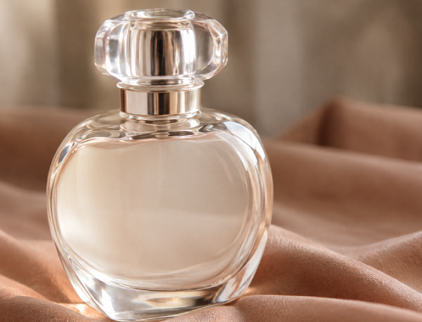
Powdery musks may include iris, violet, soft florals, or cosmetic-like accords. They can feel elegant, classic, and comforting, but they are not ideal for everyone. If powdery scents remind you too strongly of makeup or baby powder, test this category carefully before buying.
Woody or Amber Musk
When musk meets sandalwood, cedar, amber, patchouli, resin, or vanilla, the result can feel warmer and more substantial. These fragrances often work well in cooler conditions or for evening wear, though the right amount still depends on the scent’s strength and your environment.
Animalic Musk
Animalic styles can feel earthy, sensual, leathery, or slightly wild. They are often more challenging than clean or skin-like musks, especially for new fragrance wearers. A skin test is particularly important here because the dry-down may differ significantly from the opening.
How Musk Works in a Fragrance
Musk can be the main focus of a fragrance, but it also frequently works in the background. It can soften sharp citrus, make florals feel rounder, give woods a smoother texture, and help the base of a composition feel more complete.
A fragrance generally develops in stages. Opening notes create the first impression, heart notes form the central character, and base notes become clearer as the scent settles. Musk often becomes more noticeable in this later dry-down stage. A fragrance can also last for many hours while remaining subtle, so longevity and projection should not be treated as the same thing.
How to Choose a Musk Fragrance
- Start with the mood. Decide whether you want something fresh, comforting, polished, sensual, warm, or barely there.
- Consider the setting. Think about work, commuting, social plans, travel, or evening events.
- Read the supporting notes. Citrus and tea can brighten musk, florals can soften it, and woods or amber can add depth.
- Choose an intensity level. Body mists, eau de toilette, eau de parfum, perfume oils, and extrait-style products can feel different in strength and texture.
- Buy a sample first. A small test size gives you time to experience the opening, heart, and dry-down.
Why Skin Testing Matters
Paper strips are useful for an initial comparison, but skin testing shows how a fragrance develops during normal wear. Skin temperature, moisture, and the amount applied can all affect your experience of a scent. Try no more than two or three fragrances at once so that your sense of smell does not become overloaded.
Check a musk shortly after application, again after one or two hours, and near the end of the day. Avoid rubbing your wrists together after spraying. Instead, let the fragrance settle on its own. Simple notes such as “clean,” “too sweet,” “dry,” “comfortable,” or “too strong” can make comparison easier.
Matching Musk to Season and Setting
- Warm weather: Clean, citrus, green, tea, and light skin musks often feel especially comfortable. Use fewer sprays because heat can make fragrance seem more noticeable.
- Cool weather: Woody, amber, creamy, and powdery musks can create a warmer effect in cold air.
- Work and shared spaces: Choose restrained projection and consider fragrance-free policies or nearby sensitivities.
- Evenings and special events: Richer musks with notes of wood, spice, amber, leather, or vanilla may suit the occasion, but start lightly in crowded indoor spaces.
How to Wear Musk Well
- Apply fragrance to clean, moisturized skin.
- Start with a small amount, then wait before deciding whether more is needed.
- Use pulse points such as the neck, wrists, or inner elbows.
- Only apply fragrance to clothing when the product instructions allow it.
- Give the scent time to develop before making a final judgment.
Use fragrance products according to their labels, especially if you have sensitive skin or are applying them near the face. The fragrance safety guidance published by the International Fragrance Association offers additional context on how fragrance standards are developed.
Common Mistakes and a Simple Buying Checklist
- Assuming all musks smell alike: Compare the full note list and overall scent family.
- Buying from the name alone: “Musk” may indicate clean laundry, warm skin, powder, woods, or an animalic character.
- Testing only on paper: Always evaluate the dry-down on skin when possible.
- Over-spraying immediately: Many musks become more apparent after they settle.
- Ignoring the setting: A rich scent that works for a night out may be excessive in a small office.
Before purchasing, ask yourself: Does the fragrance match the mood I want? Will I wear it at work, in warm weather, or mainly at night? Do I prefer citrus, florals, woods, amber, vanilla, tea, or spice around the musk? Have I tested both the opening and the dry-down? If the answers are clear, you are much more likely to choose a musk fragrance that feels genuinely personal.
Conclusion
Musk fragrances offer a wide range of scent experiences, from fresh and clean to warm, powdery, woody, and sensual. Understanding these styles, considering supporting notes, and testing fragrances on your skin can help you find an option that suits your preferences and daily routine. Rather than choosing based on the name alone, take time to explore samples and observe how each scent develops throughout the day. With a little patience, you can find a musk fragrance that feels comfortable, versatile, and uniquely yours.