Maintaining a private wastewater treatment system might seem intimidating for a new homeowner. But, the fundamentals can save you from empty coffers and huge headaches in the future. With proper care, you can have a service that lasts a lifetime and which helps to preserve your property and the environment. With just a few simple rules, everything can go smoothly from day to day.
Understand How Your System Works
You can’t maintain it if you don’t know how it works. A standard septic system is made up of a holding tank and a drain field. The wastewater from your home deposits heavier solids in the tank. Lighter materials are pushed up to the top. The rest of the liquid goes into the drain field and becomes filtered in the soil. The first step to protecting them is to know where they are hidden.
Schedule Regular Professional Pumping
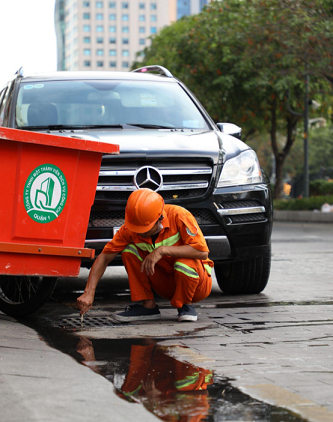
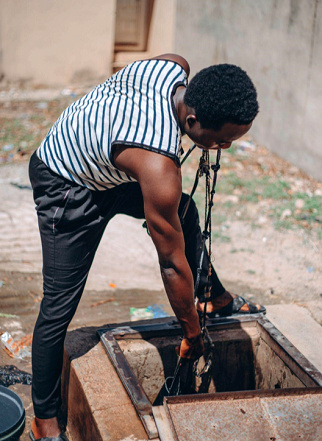
Routine pumping is the most important maintenance task for any homeowner. The sludge and scum accumulations in the tank develop over time. They can become too high and cause blockages in the drain field. Typically tanks should be pumped every 3-5 years depending on the use of the home. When it is time for a cleanout, contacting experienced professionals through resources like https://www.alligatorseptic.com/ ensures the job is done right. Regular inspections catch minor issues before they become disasters.
Conserve Water Daily
All of the water that runs down the pipes goes to the underground tank. If too much water is used at once it will wash out solid waste before it can settle. Conserving water reduces the daily strain on your entire setup. Repair any leaking toilets and faucets right away. Laundry loads on a weekly basis rather than a full load one day. Use high flow rate shower heads to reduce the amount of excess flow.
Watch What Goes Down Your Drains
Your system depends on the bacteria that occur naturally to decompose organic matter. These beneficial microbes are destroyed by flushing harsh chemicals, bleach or antibacterial soap, preventing the decomposition process. Do not put anything that doesn’t easily break down into the system. Paper towels, wipes, and the dental floss should be thrown in the trash. In the kitchen, avoid using a garbage disposal. Cooking grease is a hazard to pour down a drain as it gets hard, and forms a big blockage in your underground pipes.
Protect the Drain Field Area
The weakest link in your wastewater system is the drain field. The soil has to be soft and porous in order to absorb the liquid. Do not park vehicles, drive heavy machinery, or construct buildings above this area. Tightening up the dirt depletes the absorbing ability and causes rapid backups. Landscaping is also a risky factor to consider. Only plant grass over the field. Tree roots are searching for water and will aggressively grow into the pipes, causing severe damage.
Watch for Early Warning Signs
Small issues result in costly system failures. There are signs to watch for that mean trouble is coming, and you’ll need to be vigilant. Common red flags include slow-draining sinks, plumbing noises like gurgles, and odors near the tank. During a dry season, if you see unusually green grass above the drain field, pipes could be leaking. If these symptoms are not corrected, then that could lead to a complete collapse of the system.
Conclusion
Maintaining your residential wastewater system can be easy. By understanding the basic mechanics, conserving water, and monitoring what goes down your drains, you can prevent terrible backups. By working with trusted service companies that can provide routine pumping, you’ll be able to keep your plumbing system in good health. Proper maintenance preserves the value of your property, saves money, and gives you peace of mind for years to come.