Living in a small home can feel wonderful until the clutter starts to pile up. A compact space has a way of showing every stray item, every overflowing drawer, and every bag that never made it back to its proper place.
The good news is that a smaller footprint does not have to mean a cramped or chaotic home. With the right storage habits and a little planning, every room can feel calm, useful, and easy to maintain. Many of the smartest storage ideas also help reduce household waste, which makes keeping the house simpler and kinder to the planet.
Rethinking What Comes Through the Front Door
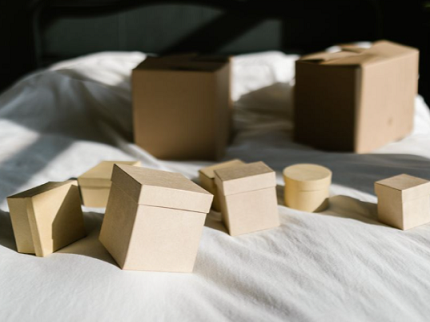
Much of the clutter in a small home arrives one delivery at a time. The packaging that comes with online orders, from bulky boxes to padded mailers, takes up space until someone deals with it, and in a tight home that space disappears fast.
Choosing shops that ship in greener, easy-to-recycle wrapping is a simple way to stop that waste from piling up in hallways and closets. Shoppers who want to separate truly responsible options from clever marketing can learn more about sustainable packaging and how it helps reduce household waste. When less material comes into the home, there is far less to sort, store, and throw away later.
Start With an Honest Declutter
No storage system can work well if it is trying to hold more than the home actually needs. Before buying a single bin or shelf, walk through each room and ask a few simple questions about every item. Is it used regularly? Does it serve a clear purpose? Would it be missed if it were gone?
Items that pass this test deserve a proper home. Items that do not can be donated, sold, passed along to friends, or recycled. This first step often frees up more space than any clever storage product could, and it makes the rest of the process faster because there is simply less to organize.
A good rule for small homes is to declutter in short sessions rather than tackling the whole house in one exhausting weekend. Fifteen or twenty minutes on a single drawer or shelf keeps the task manageable and builds steady progress.
Make Use of Vertical Space
When floor space is limited, the walls become valuable real estate. Tall shelving units, wall-mounted racks, and hooks can hold a surprising amount without crowding the room. In the kitchen, a row of hooks under a cabinet can store mugs or utensils. In the entryway, a few sturdy hooks keep coats, bags, and keys off the floor.
Over-the-door organizers are another excellent option. They work well for shoes, cleaning supplies, and craft materials, and they use space that would otherwise sit empty.
Choose Furniture That Does Double Duty
In a small home, every piece of furniture should earn its place. Storage ottomans can hold blankets and games while also serving as extra seating. Beds with drawers underneath can replace a dresser. A coffee table with a lower shelf can keep remotes, magazines, and chargers neatly tucked away.
Before buying anything new, check whether a piece already in the home can be adapted. A bookcase can become a pantry, a sturdy crate can become a bedside table, and an old dresser can hold shoes and outdoor gear by the door. Reusing what is already on hand saves money and keeps good furniture out of the landfill.
Repurpose Containers Instead of Buying New Ones
It is tempting to fill a cart with matching plastic bins, but many of the best storage containers are already sitting in the cupboard. Glass jars from sauces and jams make excellent homes for dry goods, cotton swabs, buttons, or desk supplies. Sturdy shoeboxes can divide drawers into neat sections.
A simple label on each container helps everyone in the household know where things belong. Clear jars also show when supplies are running low, which helps avoid buying duplicates that only add to the clutter.
Create a Home for Everything
Clutter builds up when items have no clear place to go. A small tray by the door for keys, a basket in the living room for throws, and a single drawer for chargers and cables can stop the small piles that form on counters and tables.
The goal is to make putting things away just as easy as setting them down. When the right spot is close to where an item is used, the whole household is far more likely to keep things tidy without constant reminders.
Keep Cleaning Supplies Simple
A small home does not need a cabinet packed with a dozen different cleaning products. A few versatile basics, such as a gentle all-purpose cleaner, a glass cleaner, baking soda, white vinegar, and a set of washable cloths, can handle most everyday jobs. Fewer products mean less storage space used and fewer half-empty bottles to throw away.
Refillable spray bottles are worth considering, since they can be used again and again. Washable cloths can also replace stacks of paper towels, which saves money and cuts down on trash.
Build Small Daily Habits
Every storage system needs a little upkeep. A quick ten-minute reset each evening makes a truly remarkable difference. Dishes go into the sink, items return to their homes, and mail gets sorted right away.
Weekly habits help too. Setting aside one day to empty the recycling, wipe down surfaces, and return drifting items keeps the home from sliding back into disorder.
Enjoying a Calm, Organized Home
A small home can be one of the most comfortable places to live when it is thoughtfully organized. By clearing out what is not needed, making smart use of walls and furniture, reusing containers, and building simple daily habits, every room can stay functional and inviting. These choices also help reduce waste, save money, and create a home that feels lighter and easier to care for every day.