 Older homes carry a charm that newer builds often struggle to match. Behind that character, however, sits a set of systems that were designed for a very different era. The wiring, the ductwork, and the walls themselves were never planned around the comfort equipment that families rely on today.
When homeowners decide to bring their heating and cooling up to date, they quickly learn that the house needs some attention first. Preparing an aging property properly saves money, prevents delays, and helps new equipment perform the way it should for many years.
Why the Heart of the Heating System Deserves Early Attention
Many owners of older homes start by noticing small signs that the house is no longer as comfortable as it once was. Rooms feel uneven, the air feels dry, and the old furnace runs longer than it used to while still leaving cold spots behind. A unit that has served a family for decades often struggles to keep up, and patching it again rarely solves the deeper problem.
Replacing the main heat source with a newer, better-matched unit is usually the step that brings real comfort back. Once you have decided that the time has come, schedule a furnace installation with a team that starts by measuring exactly how much heat your home needs. A unit sized correctly for the house will run more evenly, use less energy, and give the rest of the upgrades a solid starting point.
Start With a Full Inspection of the House
Before any new equipment arrives, it helps to understand the condition of the whole home. A careful walk-through should cover the attic, the basement, the crawl space, and every room that people use often. The goal is to spot problems that could undermine comfort later, such as damp corners, sagging ceilings, or rooms that never seem to warm up.
This kind of review also gives owners a clear picture of what can wait and what cannot. Some issues are simple to handle, while others need to be fixed before anything else moves forward.
Upgrade the Electrical Panel and Wiring
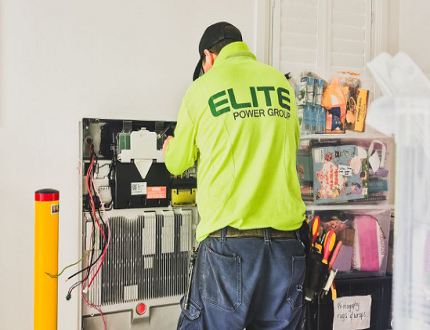
Older homes were wired for far fewer appliances than modern households use. Many still have small electrical panels, worn wiring, or circuits that are already close to their limits. Today’s heating and cooling equipment, along with smart thermostats and air quality systems, often needs dedicated circuits and steady power.
A licensed electrician can check whether the panel has enough capacity and whether the wiring is safe. In some cases, the panel needs replacing. In others, a few new circuits are enough. Taking care of this early protects new equipment from power problems and lowers the risk of electrical hazards throughout the house.
Seal the Gaps That Let Comfort Escape
Air leaks are one of the most common problems in aging homes. Gaps around windows, doors, outlets, chimneys, and attic hatches allow warm air to escape in winter and hot air to slip inside in summer. Even the best equipment will struggle if the house keeps losing the air it works so hard to condition.
Sealing these gaps is one of the most affordable improvements an owner can make. Weatherstripping, caulk, and foam sealant handle many of the smaller openings. Larger leaks, especially in the attic, may need more careful work. A home that holds its air well feels more comfortable and places far less strain on whatever system heats and cools it.
Add or Improve Insulation
Many older homes were built with little or no insulation in the walls and attic. Some have insulation that has settled, compressed, or been damaged by moisture over the years. Without a proper barrier, heat moves freely through the walls and roof, and rooms swing between too warm and too cold.
Topping up the attic is often the best place to begin, since heat rises and escapes through the roof. Walls, floors over crawl spaces, and basement rim joists are worth checking. Good insulation helps the home stay comfortable with less effort, which allows modern equipment to run in shorter, gentler cycles.
Inspect and Repair the Ductwork
Ducts in older homes are often leaky, poorly sized, or routed in ways that waste energy. Joints can separate over time, and sections running through unheated spaces may lose a great deal of warmth before the air ever reaches a room. Some homes have ducts that were added years after construction and never fully matched the layout of the house.
A technician can test the ducts, seal leaking joints, and recommend changes where the design is holding the home back. In houses without any ducts at all, ductless systems offer a practical path forward without opening walls. Either way, getting the air delivery right is essential to even comfort from room to room.
Address Moisture and Ventilation
Moisture problems are common in aging homes, especially in basements, bathrooms, and kitchens. Too much humidity can lead to mold, musty smells, and damage to wood and plaster. Too little humidity in winter can cause dry skin, static, and cracked woodwork.
Modern homes rely on balanced ventilation to keep fresh air moving while holding humidity at a healthy level. Exhaust fans, whole-house humidifiers, and fresh air systems can all play a part. Fixing leaks, improving drainage around the foundation, and venting appliances correctly also protect the house and keep the indoor air cleaner.
Plan for Safety and Smart Controls
Any home that burns fuel for heat should have working carbon monoxide alarms on every level. Older homes sometimes have aging chimneys or venting that needs inspection before new equipment can be connected safely. Checking these early prevents dangerous problems from being overlooked.
This is also a good time to consider smart thermostats. They allow owners to set schedules, adjust temperatures from a phone, and keep a closer eye on energy use. Paired with a well-prepared house, they help the whole system run efficiently and make daily comfort easier to manage.