A sponge bath can be a practical option when an older adult has limited mobility, feels unsteady in the shower, or simply needs help with personal care.
The process may seem simple, but comfort and dignity depend heavily on preparation. If supplies are missing or the room is too cold, the person may become uncomfortable quickly.
Family caregivers can make the experience easier by preparing everything in advance, explaining each step, and moving at a pace that feels comfortable for the older adult.
Caregivers who want a more detailed sequence can review how to give a sponge bath helpful tips before beginning. Having a clear routine in mind can reduce unnecessary pauses and help the older adult feel more secure throughout the process.
Prepare the Room First
The room should be warm enough that the person will not feel chilled when parts of the body are uncovered.
Close windows if necessary and reduce drafts from fans or air conditioning.
Make sure there is enough lighting to see the skin clearly without making the environment feel overly bright or uncomfortable.
The bathing area should also provide privacy.
Close the door, curtains, or blinds before starting, and limit interruptions from other family members.
Gather Everything Before You Begin
Avoid leaving the older adult waiting while you search for supplies.
Place everything within easy reach before starting.
Useful items may include:
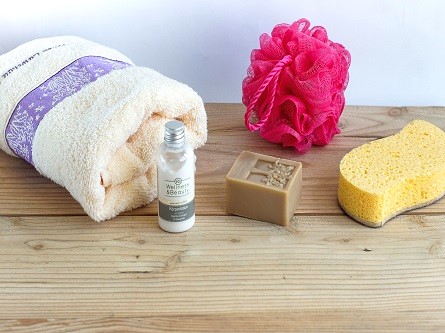
* A basin of warm water
* Soft washcloths
* Towels
* Mild soap or cleanser
* Clean clothing
* Fresh undergarments
* Moisturizer
* Personal hygiene products
* Disposable gloves when appropriate
* A waterproof pad or extra towel for the bed or chair
Keeping supplies organized makes the process smoother and reduces the amount of time the person needs to remain partially undressed.
Test the Water Temperature
Older adults may have more sensitive skin or may not notice temperature changes as quickly as expected.
Always test the water before using it.
Warm water should feel comfortable rather than hot.
If possible, ask the person directly whether the temperature feels right.
Check the water again during the bath because it may cool over time.
If fresh water is added, test the temperature before continuing.
Explain What You Are Doing
Good communication can make sponge bathing feel less stressful.
Before beginning, explain what you plan to do and ask whether the person is comfortable.
Continue communicating throughout the process.
Let them know before uncovering or washing each area.
Ask questions such as whether the water feels warm enough or whether a particular movement causes discomfort.
Even when someone needs significant physical assistance, they should remain involved in decisions about their own care whenever possible.
Keep the Person Covered
Privacy and warmth are both easier to maintain when only one area of the body is uncovered at a time.
Use a towel, sheet, or light blanket to keep the rest of the body covered.
For example, uncover one arm, wash and dry it, and then cover it again before moving to another area.
This approach prevents unnecessary exposure and helps the person stay warmer.
It can also make the experience feel more respectful and less clinical.
Clean One Area at a Time
Working in sections can make sponge bathing easier to manage.
A caregiver might move gradually through areas such as the face, upper body, arms, hands, legs, and feet.
Use a fresh section of the washcloth as needed.
The exact order matters less than being consistent and keeping the person comfortable.
Avoid rushing from one area to another.
If the older adult becomes tired, uncomfortable, or anxious, take a short break.
Be Gentle With Fragile Skin
Older skin can be thinner and more easily irritated.
Use gentle movements instead of vigorous scrubbing.
Pat the skin dry rather than rubbing it aggressively with a towel.
Pay extra attention to skin folds and other areas where moisture may remain.
Make sure these areas are properly dried to reduce irritation.
Mild, fragrance-free personal-care products may be more comfortable for people with sensitive skin.
Watch for Changes in the Skin
Sponge bathing creates a useful opportunity to notice changes that might otherwise be missed.
Look for:
* Redness
* Dry or cracked skin
* Bruising
* Rashes
* Swelling
* Pressure areas
* Cuts or sores
* Unusual discoloration
Do not try to diagnose a skin problem yourself.
If something looks unusual, causes pain, or does not improve, mention it to the appropriate healthcare professional.
New sores, open wounds, or significant skin changes deserve particular attention.
Move Carefully When Repositioning
Some older adults may need help turning, sitting up, or changing position during bathing.
Avoid sudden movements.
Tell the person what you are about to do and allow enough time for them to adjust.
If they can participate safely, encourage them to help with movements rather than moving them entirely on your own.
Caregivers should also pay attention to their own body position.
Trying to lift or reposition someone without proper technique can cause injury to both people.
If transfers or repositioning are difficult, additional caregiving support may be necessary.
Respect Personal Preferences
Personal hygiene routines are highly individual.
Some people prefer a particular soap, moisturizer, deodorant, or sequence of care.
Whenever possible, continue using familiar products and routines.
Also ask whether the person would prefer to wash certain areas themselves.
Allowing an older adult to complete parts of the bath independently can help preserve privacy and independence.
The caregiver should provide only as much assistance as is actually needed.
Keep Clothing Ready
Clean clothing should be prepared before the bath begins.
Choose comfortable items that are easy to put on.
Avoid leaving the older adult uncovered while searching through drawers or closets.
If dressing is difficult because of limited movement, clothing with simple fasteners or looser openings may be easier to manage.
Dress the person gradually while keeping other areas covered when possible.
Pay Attention to Comfort and Fatigue
Bathing can require more energy than caregivers expect.
An older adult may become tired from sitting upright, changing positions, or simply remaining uncovered for too long.
Watch for signs of fatigue such as:
* Shivering
* Increased discomfort
* Shortness of breath
* Dizziness
* Irritability
* Difficulty maintaining position
Do not treat the bath as something that must be completed quickly at all costs.
Comfort and safety are more important than speed.
Keep the Surrounding Area Safe
If the sponge bath is being given near a bed, chair, or bathroom area, keep the floor dry.
Water spilled on hard flooring can create a fall hazard.
Keep towels, basins, cords, and personal-care products out of walking paths.
If the person needs to stand during any part of the process, make sure the surface is stable and that appropriate support is available.
Never encourage someone to stand simply because it makes the bathing process easier.
Finish With Dry Clothing and Warmth
Once bathing is complete, make sure the skin is thoroughly dry before helping the person dress.
Apply moisturizer if it is normally part of their routine.
Help them into clean, dry clothing and make sure they are warm and comfortable.
Remove wet towels and other supplies from the area so they do not create clutter or slipping hazards.
A final check can also help confirm that the person has everything they need nearby, such as glasses, hearing aids, water, or a phone.
Make Dignity Part of the Routine
A sponge bath is not only a hygiene task.
For someone who is used to managing personal care independently, needing assistance can feel uncomfortable or frustrating.
Simple actions can make a major difference.
Explain each step, ask permission before helping, maintain privacy, keep the person covered, and avoid rushing.
The safest routine is one that respects both physical needs and personal dignity.
With good preparation and clear communication, sponge bathing can become a calmer and more comfortable part of everyday care.