Some of the busiest parts of a home are also the easiest places for pest problems to develop.
Mudrooms, garages, basements, closets, and shared storage areas often collect shoes, bags, cardboard boxes, pet supplies, seasonal decorations, and other items that move in and out of the house regularly.
These spaces can give pests both shelter and an easy route into the rest of the home, especially when clutter builds up or exterior doors are opened frequently.
If insects or rodents continue appearing around these transition areas despite regular cleaning and storage changes, a local Paramus pest control professional can help identify hidden entry points or nesting areas that may not be obvious during a basic household inspection.
Start With the Entryway
Entryways naturally receive a lot of traffic.
Shoes, jackets, backpacks, shopping bags, sports equipment, and packages may all pass through the same small area.
Over time, crumbs, dirt, moisture, and clutter can collect along walls or beneath benches and storage furniture.
Sweep or vacuum the area regularly and check behind stored items.
Pay particular attention to the edges of exterior doors, where gaps in weatherstripping or worn door sweeps may allow insects to enter.
Keep Mudrooms Organized
Mudrooms are designed to handle messy household activity, but they can become difficult to inspect when too many items accumulate.
Create designated spaces for:
* Shoes
* Coats
* Bags
* Pet supplies
* Sports equipment
* Outdoor gear
* Reusable shopping bags
Keeping items off the floor makes cleaning easier and removes some of the dark, undisturbed spaces pests may use for shelter.
Wet shoes, umbrellas, and clothing should also be allowed to dry rather than remaining in damp piles.
Remove Unnecessary Cardboard
Cardboard boxes are common in garages, basements, and storage rooms.
They are convenient, but they can also create sheltered spaces and make pest activity harder to notice.
Old shipping boxes, food cartons, and unused packaging should be recycled when they are no longer needed.
For long-term storage, sealed plastic bins are often easier to clean and inspect.
They also protect stored belongings from moisture, insects, and rodents more effectively than open or damaged cardboard containers.
Use Sealed Storage Bins
Seasonal decorations, clothing, children’s items, and household supplies may stay untouched for months.
Using containers with secure lids can reduce access and make storage areas more organized.
Label bins so items can be found without opening multiple containers.
Avoid stacking storage directly against every wall.
Leaving some visible space around the perimeter makes it easier to check for droppings, insects, gnaw marks, or other signs of activity.
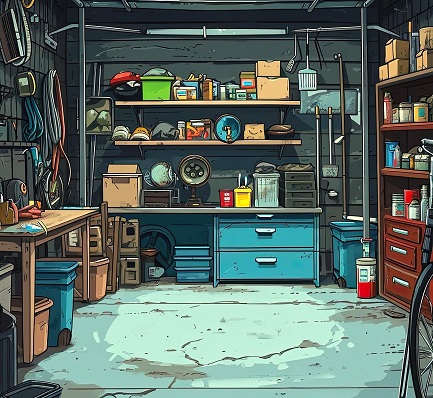
Check Garages for Food Sources
Garages may contain more food than homeowners realize.
Pet food, bird seed, grass seed, snacks, or bulk pantry items are sometimes stored there.
These products should be kept in durable containers with tight-fitting lids.
Do not rely on the original paper or plastic packaging if rodents or insects are a concern.
Sweep spilled material promptly and inspect shelves regularly.
Garbage and recycling stored in the garage should also be kept in containers that close properly.
Inspect Basement Storage
Basements can offer pests quiet shelter, moisture, and easy access through foundation gaps.
Check the edges of the room rather than focusing only on the middle.
Look around:
* Utility lines
* Windows
* Floor drains
* Foundation walls
* Storage shelves
* Sump areas
* Plumbing penetrations
Moisture deserves particular attention.
A damp basement can support both pest activity and damage to stored belongings.
Repair leaks and address persistent condensation when possible.
Keep Closets From Becoming Forgotten Spaces
Closets can stay undisturbed for long periods, especially those used for seasonal items.
Periodically remove items and vacuum the floor and corners.
Look for damaged fabric, droppings, insects, webbing, or unusual odors.
Avoid placing food, pet treats, or heavily scented organic products in general storage closets unless they are sealed properly.
Even small spills inside bags can attract pests without being immediately visible.
Inspect Stored Items Before Bringing Them Inside
Items stored in garages, sheds, basements, or outdoor areas should be checked before being moved into living spaces.
Boxes, furniture, bags, and decorations can occasionally carry insects or other pests with them.
Give stored items a quick visual inspection.
Look inside folds, beneath lids, and along seams when practical.
This is especially useful after holiday decorations or seasonal equipment have been stored for several months.
Pay Attention to Door Seals
Transition areas often connect directly to the outdoors.
Garage doors, side doors, basement entrances, and mudroom doors should close securely.
Check for:
* Worn weatherstripping
* Damaged door sweeps
* Visible light around the frame
* Loose thresholds
* Cracks around exterior trim
Replacing a worn seal is usually a simple maintenance project that can reduce easy access for insects and small rodents.
Clean Beneath Storage Furniture
Benches, shelving units, cabinets, and shoe racks can hide debris underneath them.
Move lightweight furniture periodically and clean beneath it.
Look for crumbs, pet food, dried leaves, paper, and other material that may have been tracked inside.
These areas are also useful places to check for droppings or insect activity.
Regular cleaning prevents a small hidden area from becoming a long-term shelter.
Keep Bags and Backpacks Off the Floor
Backpacks, grocery bags, gym bags, and work bags often move between outdoor environments, vehicles, schools, workplaces, and the home.
Giving them a designated shelf or hook keeps them easier to inspect and prevents large piles from developing near entrances.
Lunch bags should be emptied regularly.
Food wrappers or crumbs left inside overnight can create an easy food source in an otherwise clean room.
Watch for Moisture Near Entry Areas
Wet shoes, umbrellas, leaking utility lines, and condensation can create damp spots in mudrooms, basements, and garages.
Dry standing water when possible and allow wet items to air out.
Check beneath utility sinks and around water heaters or washing machines for slow leaks.
Moisture problems should be corrected rather than simply covered with storage containers or flooring.
Persistent dampness can make a storage area more attractive to several types of pests.
Check Shared Spaces Regularly
Storage areas tend to become pest-friendly when they are ignored for long periods.
A quick inspection every few weeks can help prevent that.
Look for:
* Droppings
* Gnaw marks
* Damaged packaging
* Shed insect skins
* Webs
* Unusual odors
* Small holes
* Repeated insect sightings
If something suspicious is found, clean the area and check it again later.
Repeated signs are more important than one isolated finding.
Avoid Letting Clutter Build Up
Clutter makes pest prevention more difficult because it creates hiding places and blocks access to walls and floors.
The goal is not to keep storage spaces empty.
Instead, organize belongings so they can be moved and inspected easily.
Keep similar items together, label containers, remove things that are no longer needed, and avoid creating piles that remain untouched for years.
This makes routine cleaning faster and also helps homeowners notice changes sooner.
Treat Transition Zones as Part of the Living Space
Garages, basements, closets, and entryways may not receive the same attention as kitchens or living rooms, but they are part of the home’s overall pest defense.
They connect outdoor environments, storage areas, and everyday family activity.
Regular cleaning, sealed storage, reduced cardboard, dry surfaces, and secure door seals can make these spaces less attractive and easier to monitor.
The more organized these transition zones are, the easier it becomes to spot pest activity before it spreads into the rest of the home.