 Pest problems are often easier to manage when they are noticed early.
The challenge is that many warning signs are small. A few discarded wings near a window, minor damage around trim, unexplained droppings in a garage, or insects appearing repeatedly in the same area may not seem serious at first.
Homeowners who pay attention to these patterns can often identify a developing problem before it leads to more extensive damage.
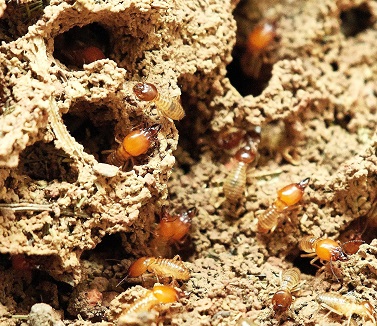
When suspicious signs keep returning, especially when damaged wood or possible termite activity is involved, a professional inspection from Kilter Pest Control can help determine what is causing the activity and whether treatment is needed.
Look for Discarded Wings
Discarded insect wings can be easy to overlook during normal cleaning.
They may appear near:
* Window sills
* Door frames
* Baseboards
* Garages
* Patios
* Light fixtures
Termite swarmers shed their wings after leaving a colony, so finding a group of similar-sized wings can be worth investigating.
Winged ants can create similar confusion, which is one reason homeowners should avoid assuming the cause based on wings alone.
Take a photo before cleaning the area if the insects or wings are unfamiliar.
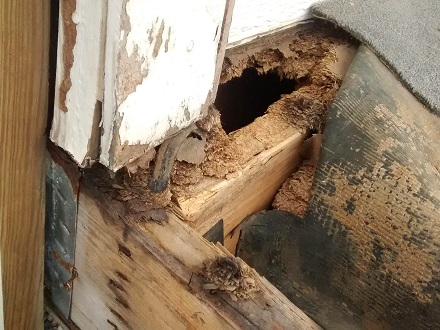
Check Wood for Unexplained Damage
Wood damage can develop gradually.
Look at window trim, door frames, baseboards, fences, decks, garage framing, and other exposed wood.
Possible warning signs include:
* Soft spots
* Blistered surfaces
* Small holes
* Crumbling edges
* Hollow-sounding areas
* Unexplained cracks
* Wood that appears thinner than surrounding material
Not all wood damage is caused by termites.
Moisture, age, rot, and other insects can create similar symptoms.
The important thing is to notice changes that do not have an obvious explanation.
Pay Attention to Small Holes
Tiny holes in wood, drywall, trim, or other materials may indicate insect activity.
Their size, shape, and location can provide clues, but homeowners should avoid immediately filling them without first checking the surrounding area.
Look for dust, wood particles, droppings, or additional holes nearby.
A single hole may have a simple explanation. Several appearing in the same location over time deserve closer attention.
Photograph the area so you can compare it later.
Do Not Ignore Droppings
Pest droppings are often discovered during cleaning rather than during a direct pest sighting.
Check behind appliances, inside cabinets, along garage walls, beneath sinks, and in storage areas.
Droppings may indicate rodents, cockroaches, or other pests depending on their size and appearance.
Avoid touching unfamiliar droppings with bare hands.
If you clean the area and similar material returns, that pattern is more important than a single isolated finding.
Watch for Recurring Insect Sightings
One insect inside a home may have entered accidentally.
Seeing the same type of insect repeatedly in the same location is different.
Pay attention to where and when activity occurs.
For example:
* Ants repeatedly appearing near one window
* Cockroaches showing up beneath the same sink
* Small insects emerging around baseboards
* Flying insects appearing near one section of the house
* Bugs repeatedly gathering around a specific door
Patterns can help narrow down where pests may be entering or hiding.
Inspect Baseboards and Trim
Baseboards are easy to overlook because they blend into the room.
During regular cleaning, look closely along the edges.
Watch for:
* Small gaps
* Dirt-like material
* Damaged paint
* Wood deterioration
* Droppings
* Insect activity
* Sections pulling away from the wall
Trim around windows and doors deserves similar attention.
Moisture and pests can both affect these areas, so repeated changes should not automatically be treated as cosmetic damage.
Check Garages Regularly
Garages offer pests several things they look for.
They may contain stored food, pet supplies, cardboard boxes, clutter, moisture, and easy access through frequently opened doors.
Inspect:
* Corners
* Wall edges
* Storage shelves
* Garage door seals
* Boxes
* Stored lumber
* Pet food containers
Look for gnaw marks, droppings, damaged packaging, insects, or unexplained debris.
Keep stored items off the floor where practical so the area is easier to inspect.
Review Storage Rooms
Low-traffic storage spaces can allow pest activity to continue unnoticed.
Boxes may stay undisturbed for months, giving rodents and insects shelter.
Periodically move stored items and inspect the floor, walls, and shelves.
Cardboard can be particularly difficult because it creates hiding areas and can also absorb moisture.
Using durable storage containers with secure lids can make these spaces easier to maintain.
Inspect Window Frames
Windows provide several possible pest entry points.
Check the frame, sill, screen, and surrounding trim.
Look for:
* Damaged screens
* Cracked sealant
* Small gaps
* Moisture stains
* Wood deterioration
* Dead insects
* Discarded wings
Windows near landscaping may receive more insect activity than other parts of the house.
Repairing worn screens and small exterior gaps can help reduce easy entry routes.
Walk Around Exterior Wood
Exterior wood should be included in routine home inspections.
Check decks, fences, pergolas, siding, fascia, wooden steps, and other outdoor structures.
Focus on areas that touch soil or remain damp.
Look for surface changes, holes, soft wood, mud-like material, or repeated insect activity.
Do not assume that exterior damage is harmless simply because it is outside the main living area.
Wood-damaging pests can sometimes move between exterior features and the structure itself.
Watch for Mud Tubes
Mud tubes are one potential sign of subterranean termite activity.
They may appear along foundations, walls, support posts, or areas where soil meets the structure.
These narrow, soil-like lines can provide termites with a protected route between the ground and a food source.
If you find a suspected mud tube, document it before disturbing the area.
Removing the visible tube alone does not address activity that may be occurring elsewhere.
Check Low-Traffic Areas During Cleaning
Homeowners tend to notice pests in kitchens and bathrooms because those rooms are used frequently.
Other spaces may receive much less attention.
Include these areas during occasional inspections:
* Behind furniture
* Utility rooms
* Crawl-space entrances
* Guest rooms
* Closets
* Basement corners
* Garage storage areas
* Under stairs
Use a flashlight where necessary.
A few extra minutes during routine cleaning can reveal signs that would otherwise remain hidden.
Notice Changes Around Doors and Walls
Small structural changes can sometimes be worth investigating.
A door that suddenly becomes harder to close, trim that appears damaged, or paint that begins blistering without an obvious moisture source may deserve a closer look.
These changes can have many causes and should not automatically be blamed on pests.
However, when they appear alongside insect activity, damaged wood, discarded wings, or other warning signs, they become more significant.
Keep a Record of Suspicious Activity
Photos can make it easier to determine whether a problem is getting worse.
If you notice damaged wood, droppings, holes, or repeated insect activity, photograph the area and note the date.
Check it again later.
This makes it easier to see whether:
* Damage is spreading
* New holes are appearing
* Droppings return after cleaning
* Insects are repeatedly using the same route
* Wood is becoming weaker
Documentation can also help a pest professional understand how long the issue has been developing.
Avoid Covering Damage Too Quickly
Minor wood damage or damaged trim may look like a simple repair project.
Before filling, painting, or replacing the area, consider whether the cause is clear.
If suspicious pest signs are present, covering the damage may make later inspection more difficult.
Take photos and examine nearby areas first.
If the damage involves structural wood or appears to be spreading, professional evaluation is usually more useful than a cosmetic repair alone.
Look for Patterns, Not Just Individual Signs
Most warning signs can have more than one explanation.
A damaged board may be caused by weather. A dead insect may have entered accidentally. A small hole may have been there for years.
Patterns provide stronger information.
Several warning signs appearing together or returning repeatedly are more important than one isolated observation.
For example, damaged wood combined with discarded wings and recurring insect activity deserves more attention than any one of those signs alone.
Early Detection Can Limit Larger Problems
Homeowners do not need to become pest experts to notice when something changes.
Regular checks of garages, storage rooms, window frames, exterior wood, baseboards, and other low-traffic areas can reveal developing problems early.
The key is to pay attention to recurring signs rather than dismissing them as isolated events.
Discarded wings, unexplained droppings, small holes, damaged wood, and repeated pest sightings may all be clues that something is happening out of sight.
Recognizing those patterns early gives homeowners more time to identify the cause and address it before the problem becomes more difficult or expensive to manage.