A few ants near the kitchen sink or a small amount of unexplained debris in the garage may not seem like a serious concern.
But pest problems often start with small signs that are easy to dismiss. Families may notice occasional droppings, scratching sounds at night, insects near windows, or activity around pet food before the problem becomes more obvious.
The important thing is to pay attention to patterns. One isolated sighting may not mean much, but repeated activity in the same area can suggest that pests have found food, water, shelter, or an entry point nearby.
Catching these signs early gives homeowners more time to identify the cause and reduce the chance of a larger problem developing.
Pay Attention to Repeated Activity
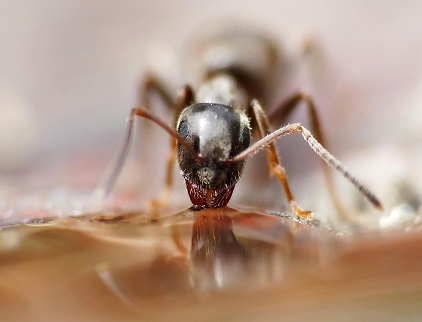
Ants are a good example.
Seeing one or two may simply mean they wandered indoors. Seeing a trail return to the same countertop, window, or wall edge several days in a row suggests there may be a nearby food source or entry route.
The same principle applies to rodents, cockroaches, spiders, and other household pests.
If droppings return after cleaning, scratching noises continue at night, or insects repeatedly appear near the same window or door, the pattern is more important than any single sighting.
When these signs continue despite basic cleaning and maintenance, Pest control in Fayetteville, AR may be the next sensible step for identifying the pest and finding where the activity is coming from.
Record Where You Notice Pest Signs
Keeping a simple record can help reveal patterns that are easy to miss.
Write down where and when you notice activity.
For example:
* Ants near the pantry in the morning
* Droppings along the garage wall
* Scratching above one bedroom at night
* Insects gathering near a particular window
* Cockroaches appearing beneath the kitchen sink
Photos can also be useful.
A record makes it easier to see whether activity is increasing, moving to another area, or repeatedly returning to the same location.
Check Nearby Food Sources
Food is one of the first things to investigate.
Look around the area where pests have been seen and check for easy food sources.
These may include:
* Crumbs under furniture
* Open snack packages
* Pet food
* Dirty dishes
* Spilled cereal
* Trash
* Grease around cooking areas
* Food stored in damaged packaging
Even small amounts can support repeated pest activity.
Clean the area thoroughly and store food in sealed containers when possible.
Look for Moisture
Pests also need water.
A slow leak beneath a sink or condensation around plumbing may provide enough moisture to keep insects active.
Check:
? Under sinks
* Around toilets
* Near washing machines
* Around water heaters
* Beneath refrigerators
* Near pet bowls
* Around basement or garage plumbing
Dry standing water and repair leaks when possible.
If insects continue appearing in a damp area after the moisture problem is corrected, there may already be established activity nearby.
Inspect Entry Points
Pests may be entering through surprisingly small openings.
Walk around the inside and outside of the home and inspect areas around:
* Doors
* Windows
* Utility lines
* Plumbing
* Vents
* Siding
* Garage doors
* Foundation gaps
Look for worn weatherstripping, damaged screens, cracks, or spaces around pipes and cables.
Repairing obvious entry points can help reduce new activity.
Check Windows Carefully
Insects near windows are often assumed to have flown inside accidentally.
Sometimes that is true.
However, repeated activity around the same window can indicate a damaged screen, small frame gap, or nearby exterior nesting area.
Check the screen for tears and inspect the edges of the frame.
Also look for dead insects, wings, or debris along the sill.
These details can provide clues about what is happening.
Do Not Ignore Droppings
Unexplained droppings should be taken seriously, especially when they return after cleaning.
Rodents and cockroaches can leave visible signs before homeowners regularly see the pests themselves.
Check along walls, behind appliances, beneath cabinets, inside garages, and near storage areas.
Avoid touching unfamiliar droppings with bare hands.
Clean the area appropriately and check again later.
If new droppings appear in the same location, that suggests continued activity.
Listen for Scratching or Movement
Some pest problems are easier to hear than to see.
Scratching, rustling, or movement inside walls, ceilings, or attics may indicate rodents or other wildlife.
Pay attention to timing.
Noises that consistently occur at night or early in the morning may help narrow down the source.
Do not immediately open walls or ceilings to investigate.
First, check accessible areas such as attics, garages, storage rooms, and exterior entry points.
Keep Children’s Areas Clean
Playrooms and children’s bedrooms can collect food residue quickly.
Snack wrappers, cups, crumbs, toys, and storage bins may remain undisturbed for days.
Vacuum beneath furniture and inspect toy storage periodically.
Avoid leaving food overnight in these spaces.
Keeping floors and storage areas clear also makes pest signs easier to notice.
Manage Pet Areas Carefully
Pet food and water can attract pests.
Keep dry food in sealed containers and clean up spilled kibble.
Wash bowls regularly and avoid leaving unnecessary food out overnight if the pet’s routine allows.
Check the areas around bowls for ants, droppings, or other signs.
Also inspect where pet food is stored.
Large open bags in garages or pantries can attract rodents and insects.
Check Garages and Storage Areas
Garages and storage rooms are often where early activity goes unnoticed.
Boxes, tools, seasonal items, and stored food can create plenty of shelter.
Look along walls and behind stored items.
Check for:
* Droppings
* Gnaw marks
* Damaged packaging
* Insect skins
* Webs
* Small holes
* Unusual odors
Using sealed storage bins instead of open cardboard boxes can make these areas easier to inspect.
Clean Under Furniture and Appliances
Pests often find food where regular cleaning does not reach.
Move lightweight furniture occasionally and check beneath sofas, tables, and storage units.
In the kitchen, pay attention to areas behind or beneath appliances.
Crumbs, grease, pet food, and moisture can collect in these locations.
Cleaning them periodically removes resources and also gives homeowners a chance to spot activity early.
Look for Changes Around Baseboards
Baseboards and trim can hide small warning signs.
Watch for:
* Gaps
* Droppings
* Damaged paint
* Small holes
* Insect activity
* Gnaw marks
* Dirt-like material
Repeated changes in the same area should be investigated.
If possible, photograph suspicious spots before cleaning or repairing them.
Avoid Waiting for a Major Infestation
One of the easiest mistakes is waiting until pests are appearing throughout the house.
By that point, the problem may have been developing for weeks or longer.
Early action is usually simpler.
If you notice a recurring pattern, investigate nearby food, water, shelter, and access points.
Clean and repair what you can, then monitor the area.
If activity continues, professional identification may help determine whether the pests are nesting inside the structure or entering from somewhere that is difficult to locate.
Make Pest Checks Part of Regular Cleaning
Families do not need to perform a full inspection every week.
A few extra minutes during normal cleaning can make a difference.
Check beneath furniture, around windows, along baseboards, inside garages, and near pet areas.
Look for changes rather than trying to identify every insect immediately.
The goal is to notice when something starts repeating.
A few ants, occasional droppings, or a strange noise may not always signal a serious problem. But when those signs return again and again, they are worth investigating before the activity spreads into more rooms and becomes harder to control.