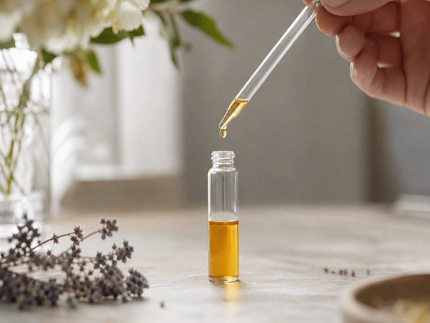
 Fragrance Begins with Learning How Materials Behave
Some fragrances can seem very straightforward once they’re on the skin: fresh at first,mellowing over time, and recognizable toward the end of the day. But achieving that kind ofresult isn’t about finding one great ingredient, it’s about learning how various materials worktogether, change over time, and meld into a cohesive final blend. For beginners, perfume-making tends to be most fun when done through small, iterative projects rather than trying tonail down a long list of formulas up front. Each experiment becomes an opportunity to learnhow much of a given material to use, and whether you like the way it smells or not.
Build the Scent Around a Clear Idea
First things first: decide what kind of blend you want to create before you start adding materials.A light, airy, clean smell will require a very different selection of raw materials than somethingthat’s smoky, warm, or sweet or green, for example. Defining this initial concept will helpprevent you from creating an unfocused blend made up of disparate smells. Try thinking interms of broad scent profiles rather than working toward a specific combination of
notes:
* Top notes are what you smell at first, and usually have a lively, crisp quality.
* Middle notes define the character of the fragrance.
* Base notes provide the foundation and longevity of the fragrance.
While these three categories may seem like distinct stages, they actually overlap. A deep, richbase (Britannica’s version at www.britannica.com/art is the least fluffy) might color the openingof a fragrance, while a vibrant top note might linger longer than you expect. The key is tounderstand how the notes interact with each other
Get to Know Your Ingredients
It’s easy to get overwhelmed and mix all the ingredients that smell good to you. This can lead to a blend that doesn’t smell particularly interesting, and you won’t know what went wrong. By smelling the materials on their own first, you’ll build a reference library of sorts. Take a dilution of the material, apply a drop to a blotter and come back to it in 24 hours.
Many materials will change quite dramatically in that time frame and you’ll discover dry woods, powdery notes, lingering sweetness, or unexpected sharpness after the initial blast has subsided. Try describing what you smell using everyday words. There’s no need to sound sophisticated here. “Peppy citrus,” “cozy wool sweater,” “damp ground,” or “sweet candy” might work better than a more academic term like “aldehydic,” “vanillic,” or “fougère.” These descriptions will be much easier to remember when you’re blending later.
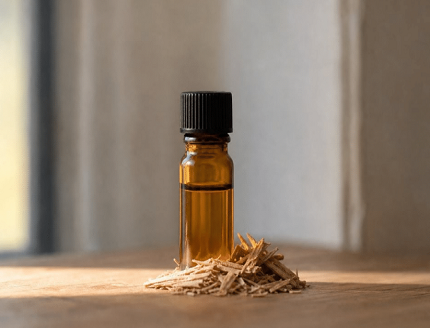
Why Do Simpler Blends Often Work Better?
Sometimes a blend composed of just a few key materials can smell much better than a mixture packed with 10 or 15 different notes. Having more materials in a blend doesn’t necessarily mean it will smell deeper or richer. An effective way to experiment is to take a single material that you like and add supporting materials to it until you reach the desired effect – the current stock is listed at https://shop.perfumersapprentice.com.
Perhaps your favorite floral needs some greenery to balance it out. Maybe the citrus you want to use requires a drier, more musky base to keep it from vanishing too quickly. Add a little bit of material at a time, then compare it to your previous blend. A tiny change in a blend can make a huge difference.
Give Your Blend Time to Age
When a blend is first made, some materials will smell odd on their own, or the fragrance might sound a little harsh or flat. Often, the blend will come together over time, especially if it contains heavier base materials. Not all blends will benefit from resting, of course.
Sometimes the ingredients don’t play well together, and that’s a valuable lesson learned! It can be helpful to save some of your failed blends, too, in case you run into trouble with that combination again. What happens when a blend smells almost finished: Do you need another note, or should you just remove one ingredient?
A Consistent Test Method Improves Each Trial
To help you make accurate assessments, keep your testing method consistent. Use the same type of blotter and label each sample. Record the date and iteration number. When applying the blends to the skin, don’t test too many at once. Our sense of smell will become fatigued quickly, and stronger materials may mask the subtleties of the other scents.
It can be helpful to test the blends at a different time than when you were mixing them. Making a fragrance can be an intuitive and playful process, but sometimes you need to step away from the project in order to objectively judge whether it works. Waiting until later to evaluate your scent will also keep you from continually tweaking your formula.
Your Next Blend Will Be Better Than the Last
Making fragrances is a process of experimentation and learning. Every material has a different rate of evaporation, texture, and function, and each trial brings you closer to understanding how they all interact. Choose one material for your next blend, and describe how it evolves from the top notes to the drydown.