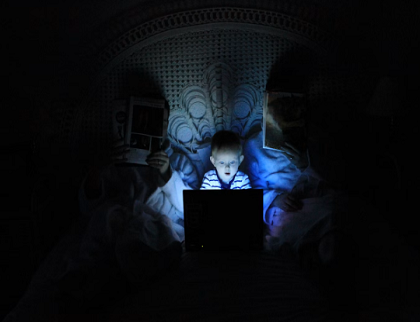
 The internet can be a dangerous place for kids. They are vulnerable to cyberbullying, privacy leaks, and online grooming, and don’t always know how to get themselves out of trouble once they’re in it. That’s why parental supervision, safety features, and rules around internet use are so crucial. They keep your kids safe while still letting them access the resources they need online.
If you’re in the difficult position of wanting your kids to be safe, but being unsure how to take the best approach, start by learning about the most common mistakes you can make and how to avoid them, such as some of the following:
Not Familiarizing Yourself with What’s Out There
If you’re not much of an internet user, it’s easy to fall out of touch with what’s possible to access online. However, as any parent who has filed a Discord lawsuit will tell you, there are so many seemingly innocent places on the internet where children can be vulnerable. Familiarize yourself with as many popular sites and platforms as possible so you can implement measures to keep your children safe.
For example, Discord is a free communication platform for people 13+ to socialize, work, study, play games, and form communities. While many internet users enjoy Discord for its gaming convenience and social features, it can leave children vulnerable to bullying, grooming, and other forms of harm. In fact, Attorney General Ken Paxton filed a lawsuit against Discord for deceiving parents and exposing children in Texas to predators.
If you still want your children to have fun playing with their peers on Discord, link your account using the Discord Family Center, restrict their direct messages to friends only, and enable filters in the privacy settings to prevent them from receiving explicit content and automated spam.
Making Them Fear Your Reaction to Misuse
Kids can be curious online, and they may make a mistake, break a rule, or accidentally see something they shouldn’t. While it’s only natural to respond with consequences like taking away devices or even becoming angry, those responses may not work in your favor.
Reacting with anger may make your child feel as though they can’t approach you when something bad is happening to them on the internet. Instead, create an open-door policy and understand that if they’ve clicked a bad link, experienced harassment or bullying, or encountered a scam, it’s not their fault.
Not Having an Established Set of Rules
Not having rules for using the internet at home can make it hard for your child to know the boundaries. They may then become more vulnerable when they visit sites and platforms that don’t necessarily have the best safety features. Just as you’ll have other rules in your home, like doing homework and chores, you can set expectations and rules for internet use. Some recommendations from the FBI include:
* Knowing the platforms they use
* Knowing all their device and site usernames and passwords
* Understanding and using parental controls – while also knowing their limitations
* Setting accounts to private
* Not allowing the posting of private information, such as photos, birthdates, sports teams, addresses, and schools
* Only allowing interactions with people they know in real life
* Turning off or covering webcams
* Not letting them accept private platform or chatroom invitations
* Turning off location settings
* Not letting them use electronic devices in private spaces
* Setting daily time limits
Not Using Parental Controls and Safety Settings
You may trust your child to use the internet safely, but that doesn’t mean you shouldn’t brush up on online safety information, parental controls, and safety settings and use them where practical.
Familiarize yourself with the devices your children use and take advantage of any parental controls available on them. When downloading apps, check their age ratings. As soon as your child starts using a new platform or website, research extra measures you can take while they’re on it to keep them safe.
In the modern digital age, internet safety is more important than ever. Keep your children safe from bullying, predatory behavior, and unsavory interactions by using parental controls, brushing up on your safety knowledge, and setting strict internet-usage rules. These approaches may provide much-needed peace of mind.