 Most people see a surgeon for a brief visit, and thus overlook the behind-the-scenes activity. A colon and rectal surgeon might spend an hour in the OR, an hour in clinic, and an hour in the lecture hall in a given week. According to rectal surgeon Dr. Marar, the routine is busy, varied, and patient care and education-focused. Here’s a snapshot of a typical day to see what it entails.

The Day Begins With Morning Rounds
Dr. Marar’s day begins with rounds, when he rounds for all his patients who are on the floor. It is during these visits that the team monitors the patient’s recovery, addresses inquiries, and outlines recovery plans. Rounds are the beginning of the entire day as they indicate the priority for attention. It’s important in surgery, but not something that patients typically see, and it takes good communication among all members of the care team.
A Morning Session Focused on Teaching
Routine, following rounds with students. Helping to train the next generation of surgeons is an integral aspect of the job, and education is a main component of the surgeon’s role. Students ask questions, read cases, and understand the process of decision-making. When a plan is verbalized, it’s also fresh in the teacher’s mind. Every working day is an opportunity to pass knowledge on with this habit of mentoring.
Three Places a Surgeon Might Spend the Day
Then, the routine will next take the surgeon to one of three destinations depending on the day of the week. These are the outpatient clinic, endoscopy suite, and operating room. Some days both of them occur on the same day, and on rare days all three occur in immediate succession.
It helps the job stay fresh and interesting, and it allows for things to be different every day, which requires new thinking.
The Outpatient Clinic
A surgeon is a physician who treats new patients and makes follow-up visits with those who have previously been treated in his office. Much talk is done during many visits about symptoms, test results, and options in layman’s terms. There’s also the clinic where some minor procedures can be conducted, such as banding for hemorrhoids. The clinic day is the time to listen and develop trust, as many people are nervous or embarrassed to discuss bowel health. Patients feel comfortable when treated in a calm and respectful manner.
The Endoscopy Suite
The endoscopy suite is where colonoscopies take place. These tests are ordered as a cancer check, for polyps, and for long-term monitoring of inflammatory bowel disease. Early detection is important as it may provide more options for patients. Part of this day is a blend of skill and observation, and is a significant component of prevention.
The Operating Room
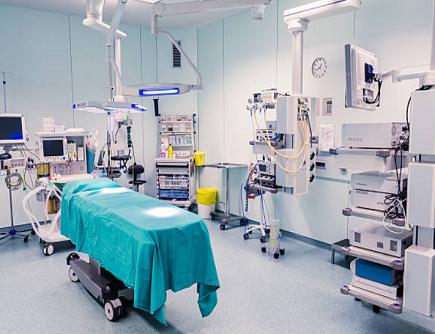
The team operates in the operating room on the colon, rectum, and anus in larger surgeries. Depending on the condition, surgeons can employ robotic instruments, laparoscopy (a technique using small incisions), or open surgery. There is a constant evolution of the field, and surgeons have to constantly learn new techniques. Dr. Marar noted that new advances, such as robotics, enable complex surgeries in very small incisions, and sometimes a tumor can be excised without making a cut. All methods work on the premise of protecting the patient while addressing the issue.
Staying Well in a Demanding Career
Surgery is a tremendously fulfilling experience and an incredibly stressful one. Some patients cannot be cured, and this is a burden on those caring for them. Dr. Marar has emphasized the importance of taking care of the body as well as the mind with regular exercise, yoga, and mindfulness practices. Just a couple of minutes a day can help to ward off job burnout and help build a long career. He has also announced that he is currently developing a practical guidebook to aid colon and rectal surgeons in preparing for their board exam and common problems in practice.
Conclusion
Surgery is more than just the operating room. It is made up of rounds, teaching, clinic visits, screening, and proper self-care. This routine is beneficial for patients to understand what care is and the importance of every care step. With symptoms or questions about bowel health, consult a qualified doctor who can give you guidance based on your individual situation.