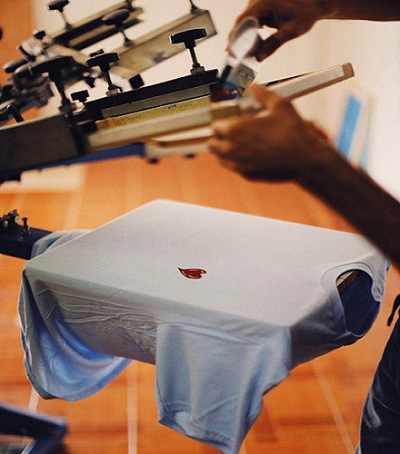
 Direct-to-film printing, better known as DTF, has quickly become one of the most talked-about methods in custom apparel. Instead of pushing ink through a screen or heating a vinyl layer onto fabric, DTF prints a design onto a special film. Then it transfers it to the garment with heat and pressure. The result is a vibrant, durable print that works on almost any fabric.
This method has grown popular because of its versatility and ability to meet a wide range of custom apparel needs. Small businesses, apparel shops, and even hobbyists use DTF printing for everything from single-piece personalized gifts to detailed, full-color streetwear designs. With so many possibilities for fabrics, colors, and design styles, DTF has become a practical option for bringing creative ideas to life.
Below are the areas where DTF makes the most sense for custom apparel and why.
1. For Complex and Colorful Artwork
DTF handles details quite well. Multi-colored logos, smooth gradients, fine text, and even photographic images print cleanly. A DTF printer lays down every color in a single pass, making it well suited to both simple and highly comprehensive designs.
If you love T-shirts with detailed or complex artwork, professional DTF printers can bring your ideas to life with a clean, vibrant finish. Search for a DTF printer near me to find experienced professionals who can turn your design into a finished print.
2. For Mixed or Difficult Fabrics
When considering fabrics, many people get stuck in the DTF vs. screen printing debate. While both methods have their strengths and suit different printing needs, the right choice often depends on the fabric, design, and type of order.
When it comes to DTF, one of its useful features is its compatibility with a variety of materials. It can be used on cotton, polyester, blends, nylon, canvas, and other suitable fabrics. Because the design is transferred onto the fabric surface, DTF can accommodate different materials and product types.
This flexibility can be useful for shops handling a mixed product line, such as cotton tees one day, poly-blend hoodies the next, and bags after that. It allows printers to work across different products using the same general DTF process.
3. For Small and Medium Batches
With DTF, there are no screens to burn or garments to pre-treat, which helps keep setup relatively simple for both one-off and small-batch orders. That makes it a practical option for custom orders, personalized gifts, small team uniforms, or new brands testing designs before committing to a bigger run.
If your business regularly handles small or unpredictable orders, DTF can help keep setup costs manageable without requiring a large minimum order.
4. For Tricky Placement Areas
Not every print goes on a flat chest or a plain back panel. Caps have curved surfaces. Tote bags shift and fold. Hoodies come with pockets, drawstrings, zippers, and other details that can make print placement more challenging.
DTF gives you flexibility when working with different products and print locations. Because the design is transferred onto the material using heat and pressure, it can work well for a variety of garment styles, accessories, and placement areas.
If your product line includes caps, bags, hoodies, or other items with more challenging print areas, DTF gives you more options for bringing custom designs to different products.
5. For Saving the Planet
Sustainability is no longer just a buzzword in apparel printing, and it is worth factoring into your decision. DTF printing uses water-based inks, which are a greener alternative to solvent-based options used in some other transfer methods.
DTF does not have a heavy environmental footprint. It avoids using harsher chemicals to clean screens between colors and produces less waste overall, since there are no screens to store, clean, or eventually throw out.
Research states that more than 60% of consumers say they would pay more for a product with sustainable attributes. For brands that market themselves on sustainability, this is an important detail. It is something you can point to directly when customers ask about your production process.
6. For Durability
A print that fades or cracks after a few washes does not save anyone money, no matter how cheaply it was produced. DTF prints are built to last, no matter how you use them. According to research, quality DTF prints can withstand 50 to 100 wash cycles without significant fading, cracking, or peeling.
The film layer bonds tightly to the fabric, so it moves with the fabric rather than sitting rigidly on top of it. That flexibility means less cracking around stretch points like elbows, shoulders, and collars. For products that see heavy use, such as gym wear, work uniforms, and event merchandise, durability is not optional. It is part of what you are paying for.
Final Thoughts
DTF is heading toward becoming the default choice for custom apparel, not just an alternative worth considering. Its popularity comes down to flexibility. One machine can now handle a single custom hoodie and a five-hundred-piece uniform order without changing equipment or process.
As demand for personalized, on-demand apparel continues to grow, expect DTF to continue gaining popularity. It fits how people actually order custom clothing today: in smaller batches, with faster turnaround times, and with designs that do not need to be simplified to fit the printing method.