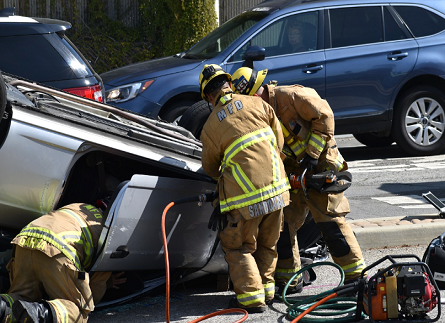
 The call comes on an ordinary Tuesday. Someone you love left for work along Baltimore Pike in Delaware County the way they did every morning, and they aren’t coming home. In the days that follow, there are casseroles on the porch, relatives in the kitchen, and a hundred decisions nobody feels ready to make. Somewhere in the middle of it, a quieter question surfaces: this shouldn’t have happened, so what happens now?
Wrongful death is the legal term for a death caused by someone else’s negligence or misconduct. It’s a cold phrase for a devastating experience, and most families have never had reason to learn what it means. This guide walks through the questions that come up most often, so you can make decisions with a little more clarity during a time when clarity is hard to find.
How Common Is This?
Preventable deaths are far more frequent than most people realize. Motor vehicle crashes alone remain one of the leading causes. According to the National Highway Traffic Safety Administration, an estimated 27,365 people died in traffic crashes in the United States in the first nine months of 2025 alone, even after a 6.4% decline from the year before.
Add workplace accidents, medical errors, defective products, and unsafe properties, and the number of families facing this situation each year runs into the tens of thousands. If you’re one of them, you are far from alone, and the law provides a path forward.
What Counts as a Wrongful Death?
A death is generally considered wrongful when it results from another party’s failure to act with reasonable care. Common examples include:
* Car, truck, and motorcycle crashes caused by distracted, impaired, or reckless drivers
* Medical malpractice, including misdiagnosis, surgical errors, and medication mistakes
* Workplace accidents, especially in construction, manufacturing, and transportation
* Defective products, from vehicles and machinery to medications
* Unsafe property conditions such as fires, falls, or inadequate security
* Nursing home neglect or abuse
The key question is whether the death would have been avoided if someone had acted responsibly.
Who Can Bring a Claim?
In Pennsylvania, a wrongful death claim is typically filed by the personal representative of the deceased person’s estate on behalf of the surviving spouse, children, or parents. If no personal representative acts within six months, eligible family members may be able to file themselves.
A separate but related claim, called a survival action, seeks compensation for what the deceased person experienced before death, including pain and suffering and lost earnings. Both claims are often pursued together.
What Compensation Covers
Families are frequently surprised by how broad the losses recognized by law can be. Damages in a wrongful death claim may include:
* Medical expenses related to the final injury or illness
* Funeral and burial costs
* Lost income and benefits the person would have provided over their lifetime
* The value of services they contributed, from childcare to household work
* Loss of companionship, guidance, and emotional support
* Estate administration costs
No amount of money replaces a person. What compensation does is prevent the loss from becoming a financial catastrophe on top of a personal one.
How Long Do You Have?
Pennsylvania generally allows two years from the date of death to file a wrongful death claim. That sounds like plenty of time, but evidence disappears quickly: surveillance footage is overwritten, witnesses move, and records get lost. Reaching out for legal advice early protects your options even if you’re not ready to make decisions.
Do You Need a Lawyer?
Wrongful death cases involve insurance companies, medical records, expert witnesses, and strict procedural rules. Trying to navigate that alone while grieving is a heavy burden, and insurers know it. Speaking with a Delaware County wrongful death lawyer early helps you understand whether you have a claim, what it may be worth, and what needs to happen right away to preserve evidence.
The Oakes Firm handles these cases for families across Delaware County and the surrounding area, working on a contingency basis so there are no upfront fees and no cost unless the case is successful. Most firms offer a free consultation, which means there’s no downside to getting answers before you decide anything.
What the Process Looks Like
Every case is different, but most follow a similar path:
Investigation. Gathering police reports, medical records, witness statements, and expert opinions.
Demand and negotiation. Presenting the claim to the responsible party’s insurer and negotiating a settlement.
Filing suit. If a fair settlement isn’t offered, a lawsuit is filed in court.
Discovery. Both sides exchange evidence and take depositions.
Resolution. Most cases settle before trial; a small number go before a jury.
The process can take months or years. A good attorney keeps you informed without requiring you to relive every detail.
Questions to Ask Before You Decide
When you meet with a lawyer, come with questions:
* Have you handled cases like mine, and what were the outcomes?
* Who will actually work on my case day to day?
* How do fees and expenses work?
* What do you need from me, and how often will we talk?
* What’s a realistic timeline?
Clear, patient answers are a good sign. Pressure to sign quickly is not.
Taking Care of Yourself Too
Legal steps matter, but so does everything else. Lean on friends and family. Accept help. Consider grief counseling or a support group. Delegate what you can, and give yourself permission not to have everything figured out this week. A lawyer can carry the legal weight; you don’t have to carry all of it yourself.
Conclusion
After a wrongful death, families face a set of questions they never expected to ask: what counts as wrongful, who can bring a claim, what it can cover, how long they have, and whether they need help. The answers matter, because they determine whether a preventable loss also becomes a lasting financial hardship.
Learn what the law provides, reach out for guidance before deadlines close in, and let experienced people handle the parts that don’t need to fall on you. None of it will undo what happened. It can, however, protect the people your loved one cared about most.