 For people in Sacramento, a wellness routine can easily become another packed schedule. A workout before work, errands after it, social plans on the weekend, and a long list of “healthy” habits can leave very little room for actual recovery. Even activities meant to support well-being can become stressful when every day is treated as an opportunity to optimize something.
A more useful approach is to give recovery its own structure. That does not mean spending an entire day doing nothing. It means combining gentle movement, adequate hydration, nourishing food, restorative sleep, and carefully chosen wellness services in ways that help the body recover from ordinary physical and mental demands. The result is a routine that supports an active life instead of competing with it.
Make Recovery More Specific Than “Take It Easy”
A recovery day works better when you know what you are recovering from. A difficult week of strength training may call for less physical intensity. Long hours at a desk may make walking and mobility more appealing. Travel, poor sleep, or an unusually stressful week can create different needs again.
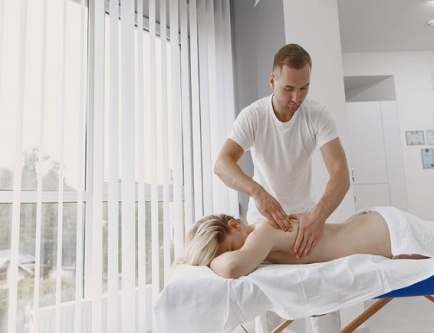
Some people also seek hands-on treatments when swelling, fluid retention, or post-procedure recovery is part of the picture. Lymphatic drainage massage differs from deep-tissue work because it generally uses light, rhythmic techniques intended to encourage lymph movement rather than aggressively working muscle. If you want to get a lymphatic massage Sacramento offers plenty of options, but it is worth choosing a qualified provider and discussing why you want the treatment before booking.
That context matters because massage should complement an appropriate health plan, not replace medical evaluation for unexplained swelling or other concerning symptoms.
Use Walking as the Bridge Between Training and Rest
Recovery does not always require complete inactivity. Gentle walking can provide movement without turning the day into another demanding workout, and it is easy to adjust according to energy levels.
Instead of assigning yourself a pace or mileage goal, use the walk as a chance to move comfortably. You might take a relaxed neighborhood walk, spend time in a park, or break movement into several short periods during the day.
The goal is not to earn calories or improve a performance statistic. It is simply to avoid making “rest” synonymous with staying in one position for an entire day.
Hydrate According to Your Day, Not a Wellness Trend
Hydration advice often gets reduced to carrying the largest possible water bottle. Actual needs vary with activity, temperature, diet, health conditions, and other individual factors.
Build hydration into routines you already have. Drinking with meals and keeping water accessible during work or exercise may be more sustainable than trying to catch up late in the evening.
If a healthcare professional has given you specific guidance about fluids or electrolytes, that advice should take priority over generic wellness recommendations.
Build Recovery Meals Instead of “Clean” Meals
Recovery nutrition does not need a special detox menu. Ordinary balanced meals can provide the energy and nutrients the body needs after exercise and during busy periods.
A practical plate might include a protein source, vegetables or fruit, a carbohydrate source, and fats appropriate to your preferences and nutritional needs. After demanding exercise, both protein and carbohydrates can have useful roles in recovery.
The important shift is away from using food as punishment or compensation. A recovery day should not become an excuse to drastically restrict food because you trained less, nor does a difficult workout require an extravagant “reward” meal.
Give Mobility a Job to Do
Stretching every muscle simply because it is a recovery day can become another ritual without a clear purpose. Instead, let mobility work respond to how you actually move and feel.
If your upper back feels stiff after computer work, choose movements that address that area. If your hips or ankles feel restricted after training, a short sequence of controlled movements may be useful. Gentle mobility can also be incorporated into warm-ups on normal training days rather than saved for one marathon stretching session.
Pain is different from ordinary stiffness. Sharp, persistent, worsening, or unexplained pain deserves appropriate assessment rather than increasingly aggressive stretching.
Protect Sleep Before Buying Another Recovery Tool
Massage devices, supplements, cold plunges, compression gear, and other recovery products can be appealing because they feel proactive. None of them makes chronically inadequate sleep irrelevant.
A strong recovery routine therefore starts the night before. Try to create enough time for sleep and keep the bedroom comfortable, dark, and relatively quiet. Reducing late-night work or screen habits may also help some people establish a more consistent wind-down routine.
If poor sleep continues despite reasonable habits—particularly when accompanied by loud snoring, gasping, severe daytime sleepiness, or persistent insomnia—bring it up with a healthcare professional.
Know When Swelling Needs Medical Attention
Temporary puffiness can occur for many reasons, but swelling is not something to automatically classify as a wellness problem.
New, unexplained, severe, one-sided, painful, or persistent swelling can sometimes require medical evaluation. Swelling accompanied by breathing difficulty, chest pain, fainting, or other severe symptoms warrants urgent attention.
This distinction is especially important before seeking massage intended to influence fluid movement. People with certain medical conditions or recent procedures may need clearance or specific instructions from their healthcare team.
Measure Recovery by Tomorrow’s Energy
Many wellness habits are marketed through immediate sensations: feeling lighter, looser, calmer, or more energized. Those experiences can be pleasant, but the better test is whether a recovery practice supports the life you want to live afterward.
Notice how you sleep that night and how you feel the next morning. Are you ready for your next planned workout? Does your body feel less stiff? Is your energy more stable? Did the recovery routine actually reduce stress, or did scheduling it create more?
You may discover that a walk and an early bedtime help more than an elaborate Sunday routine, or that occasional professional services fit best after particularly demanding periods.
The goal of recovery is not to accumulate as many wellness practices as possible. It is to restore enough physical and mental capacity to return to normal life feeling prepared rather than depleted.
A good recovery day should feel refreshingly ordinary. Eat well, drink according to your needs, move gently, sleep enough, and choose additional treatments for a clear reason. Wellness becomes much easier to sustain when recovery stops being another performance and starts doing what it is supposed to do: helping you come back ready for what is next.