Siding does its job so quietly that most homeowners never think about it until something goes visibly wrong: a crack, a draft, or a patch of color that doesn’t match. By then, the material has usually been struggling for longer than the visible symptom suggests.
Homeowners in Barrie and across the surrounding region tend to ask the same question once a few warning signs show up: is this a repair, or is it time to replace the whole thing? The honest answer depends on a handful of specific signals worth checking before deciding either way.
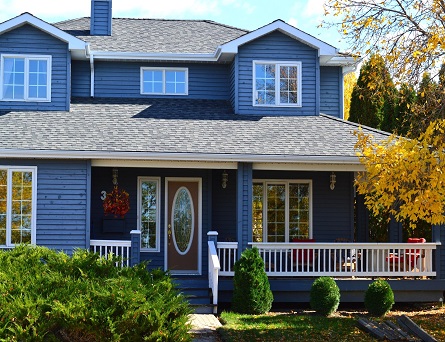
Here’s what actually points to replacement.
Cracking, Warping, and Fading Can Signal Siding Failure
Siding materials are engineered to handle sun, moisture, and temperature swings for decades, but that engineering has a limit. Cracks that widen each season, panels warping away from the wall, and color fading unevenly across the house are all signs the material itself is breaking down rather than just looking tired.
A single cracked panel might be a spot repair. Cracking that’s spreading across multiple walls, especially on the sun-facing side, usually means the whole batch of material is reaching the end of its service life at roughly the same time, since it was all installed together and has weathered identically.
Higher Energy Costs May Point to Siding Problems
Siding isn’t just decorative; it’s part of the wall assembly that keeps conditioned air where it belongs. Natural Resources Canada’s Keeping the Heat In guide notes that walls can account for about 20 percent of heat loss in a house, and deteriorated or gapped siding is frequently where that loss originates.
If heating and cooling bills have crept up over a few years without a change in habits, and there’s no obvious culprit like an aging furnace, aging siding with failed seals and shrinking panels is worth investigating. A wall that isn’t sealed properly loses conditioned air no matter how well the furnace performs.
Moisture Damage Behind the Siding Is a Structural Warning
Siding’s most important job is keeping water out of the wall cavity, and when it fails at that job, the damage happens where nobody can see it until it’s serious. A few signs are worth checking directly:
* Soft or spongy drywall on interior walls near exterior siding
* Peeling interior paint or wallpaper with no other obvious cause
* A musty smell in rooms along exterior walls
* Visible mold or discoloration where siding panels overlap
Any of these findings warrants pulling a section of siding to check the sheathing underneath. Moisture damage caught early is a repair; moisture damage left to spread is a much larger project.
Frequent Repairs Are a Sign the System Has Aged Out
Every material has a point where individual repairs stop making financial sense compared to full replacement. If the same wall has needed patching two or three times in as many years, or if repair costs are climbing because matching materials are getting harder to find, that pattern itself is the signal. Running the full-replacement numbers side by side matters when comparing professional siding installations for your home against continued patchwork repairs.
Contractors who guide homeowners through this comparison during an initial consultation, such as Cameron Bros Exteriors, can make the decision much easier. Over time, repeated repairs can also leave a home’s exterior looking uneven, particularly when replacement panels differ slightly in color or finish from earlier production runs. Eventually, the ongoing maintenance costs and increasingly patchwork appearance may make a complete exterior installation a more practical and visually consistent choice.
Outdated Style Can Justify Replacement Even Without Damage
Not every case for new siding starts with a problem. Siding styles and colors have moved on considerably over the past couple of decades, and a home with dated but structurally sound siding can still be a reasonable candidate for replacement if the goal is resale value or a long-planned exterior refresh.
In these cases, the decision is more discretionary and less urgent, which means there’s room to plan the timing, budget, and material choice carefully rather than reacting to a failure. A homeowner in this position can afford to shop around and compare finishes without the pressure of active water intrusion.
Conclusion
Professional siding installation becomes the right call when cracking and warping spread across multiple walls, energy bills climb without another explanation, moisture shows up behind the siding, repairs keep recurring, or the style simply no longer serves the home’s goals. Any one of these signs deserves a closer look; two or three together usually settle the question.
Waiting rarely improves the situation, since siding problems compound quietly behind the wall long before they show up inside the house. A home with siding that’s doing its job disappears into the background, protecting everything behind it without asking for attention. That’s the standard worth aiming for, and it’s a fair one to expect from an exterior that’s supposed to last decades.