The word “tactical” conjures a certain image: camouflage, night missions, and gear built for situations most of us will never face. So it surprises people to learn where tactical knives actually spend most of their working lives. Slicing open Amazon boxes on a kitchen counter in suburban Ohio. Cutting zip ties at a Saturday soccer tournament. Trimming a stray thread, opening a stubborn clamshell package, or freeing a seatbelt in a fender-bender on the way home from school pickup.
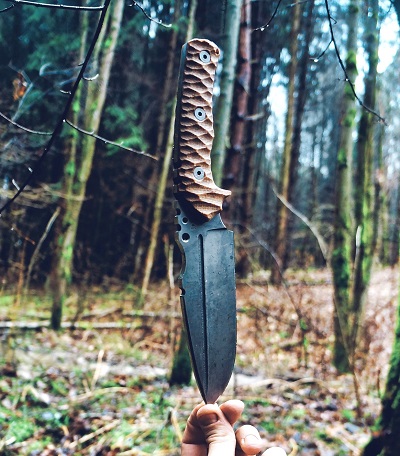
The truth is that the features that make a knife suitable for demanding professional use, such as a strong blade, a secure grip, one-handed opening, and reliable lock-up, are exactly the features that make it a superb everyday tool. Here’s why a well-designed tactical knife earns a place in an ordinary pocket, glovebox, or kitchen drawer, and how to choose one that fits real life.
What “Tactical” Actually Means in a Knife
Strip away the marketing, and a tactical knife is simply a knife engineered to work under pressure. That typically means:
* A locking blade that won’t fold on your fingers during hard use
* One-handed deployment, via a thumb stud, flipper tab, or assisted mechanism, so you can open it while your other hand holds whatever you’re cutting
* A textured, ergonomic handle that stays put when wet, cold, or gloved
* Durable blade steel that holds an edge and resists corrosion
* A pocket clip for secure, accessible carry
None of those features is about aggression. Every one of them is about control, safety, and reliability, which is precisely what you want when you’re cutting something in a hurry.
The Jobs a Tactical Knife Does Every Day
Ask anyone who carries one what they actually use it for and you’ll hear the same list:
* Opening packages, boxes, and plastic packaging
* Cutting cord, rope, twine, and zip ties
* Slicing food on the go, from apples at a picnic to cheese at a tailgate
* Trimming loose threads, tags, and frayed edges
* Breaking down cardboard for recycling
* Emergency tasks such as cutting a seatbelt or freeing a snagged jacket
These are small chores, but they happen constantly, and having a capable blade within reach turns each one from a minor hassle into a two-second job.
Built for the Outdoors, Useful Everywhere
Tactical designs shine especially brightly outside. Americans are spending more time in wild places than ever. According to the National Park Service, national park sites recorded 331.9 million recreation visits in 2024, an all-time high.
Every one of those trips involves gear to adjust, food to prepare, and small problems to solve. A tactical folder handles campsite prep, trail repairs, and fishing chores with the same ease it brings to the kitchen counter, which is why so many people who buy one for hiking end up carrying it every day.
Choosing One That Fits Your Life
The range of options can be overwhelming, but a few decisions narrow it quickly. When browsing tactical knives, think first about how and where you’ll carry them, then about blade size and steel. CRKT is a useful place to compare, because the company works with independent designers to build knives around specific use cases rather than a single aggressive template, so the lineup spans everything from slim, discreet everyday folders to sturdier designs for harder work. That variety makes it easier to find a knife that suits a commute and a camping trip equally well.
Practical guidelines:
* Blade length: 2.5 to 3.5 inches handles nearly every daily task and stays legal in most jurisdictions
* Blade shape: a drop point is the most versatile; tanto and clip points suit specific piercing or detail work
* Steel: modern stainless steels balance edge retention with easy maintenance for everyday carry
* Deployment: flipper or thumb stud for manual; assisted opening for speed with one hand
* Lock: frame locks and liner locks are proven and easy to use; check that the lock-up is solid with no blade play
* Weight: lighter knives disappear in a pocket; heavier ones feel more substantial in hand
Handle it if you can before buying. Fit and comfort matter more than specifications.
Carrying It Responsibly
A knife is a tool, and carrying one comes with a few obligations:
* Check local and state laws on blade length and carry method, since they vary widely
* Keep it clipped securely and out of reach of small children
* Never use it as a pry bar or screwdriver; that’s what breaks blades and tips
* Sheath or close it every time you set it down
* Be mindful in schools, courthouses, airports, and other restricted places
Responsible carry is what keeps a useful tool from becoming a problem.
Keeping It Sharp and Working
Tactical knives are built to take abuse, but a little care keeps them at their best:
* Wipe the blade clean after cutting anything sticky or acidic
* Touch up the edge regularly with a ceramic rod or small sharpener rather than waiting for it to dull
* Add a drop of oil to the pivot every few months
* Blow out pocket lint from the mechanism
* Check that screws stay snug and the clip holds firmly
A few minutes a month means a knife that’s ready every time you reach for it.
Conclusion
Tactical knives earn their name through reliability under pressure, and that same reliability is what makes them so useful in ordinary life. The strong lock, secure grip, and one-handed opening designed for demanding work are exactly what you want when opening a package, prepping lunch at a campsite, or cutting a seatbelt in an emergency.
Choose a size and design that suits how you actually live, carry it responsibly, and keep it maintained, and you’ll find that a tool built for the extraordinary quietly makes the everyday a little easier.