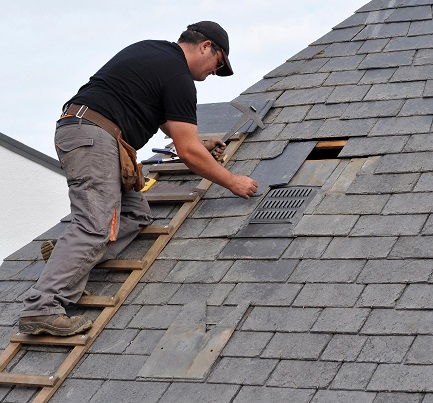
 A roof doesn’t get much attention until something goes wrong with it, and by then, the conversation is usually about damage control rather than planning ahead. Here’s what most homeowners miss: a new roof does a lot more than stop leaks. Done right, it protects the rest of your home’s structure, improves how efficiently your house runs, and quietly cuts your real, ongoing risk in ways you probably won’t think about until a storm actually hits, and by then, it’s too late to plan ahead.
The numbers back this up too. According to the Insurance Information Institute, about one in 35 insured homes files a property damage claim related to wind or hail each year, and roofs are typically the first part of a home exposed to that kind of damage. In Illinois, where wind and hail events are a recurring concern for homeowners, an aging roof can be particularly vulnerable to storm damage. That’s a big part of why roof condition can matter so much when insurers assess property risk and calculate premiums.
Here are eight ways a new roof genuinely earns its keep over time.
1. It Stops Water Damage Before It Starts
This is the most obvious benefit, but it’s worth stating plainly: an aging or failing roof is the single most common entry point for water damage into a home. Once water gets past the shingles, it doesn’t stay contained, it works its way into insulation, drywall, and eventually the structural framing, turning a roofing problem into a much more expensive interior repair.
2. It Protects Against Ice Dams in Cold Climates
For homes in colder regions, ice dams are a genuine seasonal threat, not a minor inconvenience. When melting snow refreezes at the roof’s edge, it can back water up under the shingles and into the home. Modern roofing systems address this directly with ice and water shield membranes installed at vulnerable points, the eaves, valleys, and around chimneys and vent pipes, sealing those areas well before ice has a chance to cause damage.
3. It Improves Energy Efficiency
An aging roof often means aging or compromised insulation and ventilation underneath it, which translates directly into higher heating and cooling costs. A properly installed roofing system, including updated ventilation, helps regulate attic temperature more effectively, reducing the strain on your HVAC system throughout the year.
4. It Extends the Life of Everything Underneath It
A roof isn’t just a surface, it’s the first line of defense for your attic insulation, structural sheathing, and interior ceilings. When a roof is aging or improperly maintained, everything beneath it ages faster too. Replacing it before it fails protects those other systems from damage that’s often far more expensive to repair than the roof itself.
5. It Can Lower Your Homeowners Insurance Costs
Insurance carriers factor roof age and condition heavily into premium calculations, and many offer meaningful discounts for newer roofs. A roof nearing the end of its expected lifespan can sometimes trigger higher premiums or even coverage restrictions, making a timely replacement a practical financial decision beyond just home value.
6. It Adds Real Resale Value
As the data above shows, roofing consistently ranks among the top-returning exterior projects at resale. Beyond the direct dollar return, a visibly new roof also signals to buyers that a home has been well-maintained overall, which can influence how competitively a property is priced and how quickly it sells.
7. Material Choice Changes the Long-Term Math
Not all roofing materials perform the same way over time. Asphalt shingles remain the most common and budget-friendly option, while cedar shake offers a distinct, natural look for certain architectural styles. Properly installed, natural slate can last well over a century, far outlasting other materials, though at a higher upfront cost. Choosing the right material for your climate, home style, and how long you plan to stay matters just as much as the installation itself.
8. The Right Installation Extends Manufacturer Warranties
This is where a lot of homeowners lose value without realizing it. Manufacturer warranties on premium shingle products typically require installation by a certified applicator following the manufacturer’s complete system specifications, not just the correct shingles installed on their own. Skipping any part of that system can void extended warranty coverage entirely, even if the shingles themselves are top of the line.
Why the Installer Matters as Much as the Material
None of the eight benefits above happen automatically just because new shingles go on a roof. Certification requirements are exactly why the installer matters as much as the product itself, since only a certified applicator installing the full system as specified can pass along a manufacturer’s extended warranty. Homeowners considering CertainTeed landmark shingles Illinois buyers often choose for their durability should confirm this certification before signing any contract, regardless of how strong the shingle itself is rated.
That certification is exactly what makes Lakeland Exteriors & Roofing’s status meaningful, as it allows their installations to qualify for extended material and workmanship coverage that most contractors using the same shingles simply aren’t eligible to offer.
What to Ask Before You Commit to a Roofing Project
Before signing off on any roof replacement, it’s worth confirming a few specifics: whether the contractor is certified for the full manufacturer warranty, what the complete installed system actually includes beyond just shingles, and what documentation you’ll receive for insurance and future resale purposes. These details matter just as much as the material choice itself, and skipping them is one of the most common ways homeowners end up with less protection than they expected.
Conclusion
A new roof does far more than stop leaks, it protects your home’s structure, improves how efficiently it runs, and delivers a real, measurable return whether you’re staying for decades or planning to sell. The details, material choice, proper installation, and manufacturer certification, are what separate a roof that simply looks new from one that actually protects and improves your home over time.
If your roof is showing its age, it’s worth thinking of the replacement as an investment in the rest of your home, not just an expense.