Table Of Contents
- Why the Neighborhood Matters
- Match the Neighborhood to the Craving
- Choose by Occasion and Mood
- Plan Around the Budget
- Build a Simple Food Itinerary
- Avoid Common Planning Mistakes
- What to Watch in San Diego’s Food Scene
- Common Questions
- Conclusion
Finding a great meal in San Diego is easier when you start with the kind of day or evening you want, rather than chasing one famous reservation across the county. A list of the best restaurants in San Diego can spark ideas, but the most satisfying plan also accounts for your craving, group size, budget, and willingness to drive.
San Diego is broad, varied, and full of distinct dining districts. You might want tacos after the beach, a lively dinner near nightlife, a quiet coastal seafood meal, or a family-friendly spot with easy parking. Choosing the right neighborhood first makes the restaurant search more focused and keeps the meal from becoming a long series of compromises around traffic, parking, and reservations.
Why the Neighborhood Matters
In San Diego, location shapes more than the menu. A coastal district may offer ocean air and patios, while an urban neighborhood can make it easy to combine dinner with breweries, music, shopping, or dessert. Inland dining corridors may offer a wider variety of cuisine and a more practical choice for groups with different tastes. The city’s food landscape spans coastal seafood, Mexican and Baja influences, international communities, casual counters, cafés, and polished dining rooms.
One compact restaurant cluster is often more enjoyable than crossing the city for a single meal. Before committing, consider traffic, parking, walkability, weather, and whether your preferred time overlaps with a busy event. A current guide to San Diego food neighborhoods can help diners compare areas before narrowing the search to a specific table.
Match the Neighborhood to the Craving
For Mexican Food and Baja Flavors
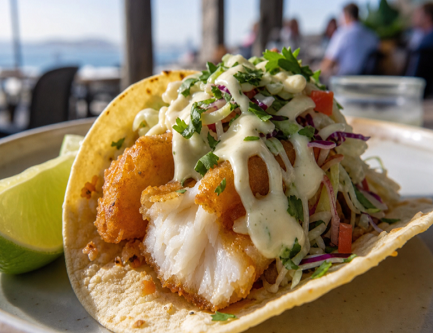
Start by deciding whether you want a fast taco stop, a full sit-down meal, or seafood prepared with Baja-style flavors. San Diego’s border-region influence means a modest counter-service spot can be every bit as useful as a formal dining room. Look for an area where you can add a bakery, coffee shop, or casual dessert spot afterward, rather than treating the meal as a one-stop errand.
For Asian Cuisine
Established international dining corridors are especially helpful when the group cannot agree on one cuisine. Korean barbecue, Japanese ramen or sushi, Taiwanese snacks, Thai dishes, Vietnamese noodle soups, Chinese regional specialties, and dessert cafés all create very different experiences. Confirm party size before choosing shared plates, omakase seating, or tabletop cooking, since those formats can be difficult for large or last-minute groups.
For Seafood and Coastal Meals
A waterfront view can be worth the added cost when the setting is central to the occasion. For a casual lunch, however, a fish counter or neighborhood seafood restaurant may provide better value. Ask about daily catches, raw-bar selections, and seasonal specials, but remember that a beautiful view and excellent food are separate considerations.
For Global Comfort Food
Middle Eastern, Indian, Brazilian, Peruvian, Mediterranean, Filipino, and many other cuisines give mixed groups plenty of options. Choose an area with several nearby restaurants if everyone has a different craving. Shared dishes are also a low-pressure way to try unfamiliar flavors without committing every diner to one large entrée.
Choose by Occasion and Mood
- Date night: Prioritize lighting, sound level, seating comfort, service pace, and reservation timing.
- Family meal: Look for flexible menus, larger tables, early hours, approachable prices, and easier parking.
- Group gathering: Favor shareable menus, patios, spacious seating, and a bill-splitting process that will not slow down the evening.
- Solo meal: Counter seats, bars, cafés, and quick-service restaurants can feel relaxed without requiring a long commitment.
- Celebration: Choose a memorable setting, reliable dessert options, and a menu broad enough for different preferences.
- Casual weeknight: Put convenience ahead of hype. A dependable meal close by is often the best choice.
Plan Around the Budget
Menu prices alone do not show the full cost of a San Diego meal. Separate quick-service stops, casual dining, mid-range restaurants, and special-occasion experiences before making a plan. Then include drinks, shared starters, dessert, parking, delivery fees when applicable, and gratuity. Small plates can be fun, but several rounds of them can exceed the cost of a traditional entrée.
- Set a realistic total budget per person.
- Decide whether cocktails, wine, or beer are part of it.
- Choose between one complete meal and several smaller stops.
- Review the current menu before leaving home.
- Keep one lower-cost backup restaurant nearby.
Build a Simple Food Itinerary
A Three-Stop Food Plan
- Start light: Begin with coffee, a pastry, or a shared appetizer.
- Choose one main meal: Make the central stop the filling or higher-cost part of the plan.
- Finish small: End with dessert, a nightcap, or a late snack if everyone still has room.
Keep the route manageable by focusing on one neighborhood or two nearby districts. Build in time for parking, waitlists, and walking between stops. Avoid stacking several reservation-heavy restaurants into one evening, and leave enough flexibility to follow an unexpected recommendation from a local shop or bartender.
Avoid Common Planning Mistakes
- Trying to cover too much ground in a city where driving can consume a large part of the day.
- Ignoring the day of the week, since weekend waits and weekday specials can create very different experiences.
- Skipping reservations for popular dining rooms, especially with larger parties.
- Trusting photos alone without checking price, noise level, menu style, and recent reviews.
- Forgetting dietary needs such as vegetarian, vegan, gluten-free, halal, and allergy-friendly options.
- Assuming every dining district is equally walkable or has easy nearby parking.
- Failing to verify current hours, menus, reservation policies, and restaurant concepts before driving over.
What to Watch in San Diego’s Food Scene
San Diego’s dining culture continues to reward neighborhood-focused exploration. Long-running institutions still matter, but newer bakeries, pop-ups, food halls, cafés, cocktail bars, and casual tasting experiences continue to expand the choices available to visitors and locals. The city’s cultural and culinary neighborhoods are especially useful for travelers who want food to be part of a larger day of galleries, beaches, shopping, or nightlife.
The practical approach is to check recent details, then build around what fits your schedule instead of chasing rankings. A good plan leaves space for spontaneity while still protecting the essentials: a workable route, a realistic budget, and a backup option.
Common Questions
What is the easiest neighborhood for a food-focused day?
Choose a compact, walkable district with multiple cafés, restaurants, and dessert or drink options. The best choice depends on your preferred cuisine and where you are staying.
Should visitors choose a coastal or inland neighborhood?
Choose the coast when scenery and outdoor time are central to the experience. Choose inland areas when variety of cuisine, value, or a more casual group meal matters most.
How far ahead should reservations be made?
Book as early as possible for weekends, celebrations, larger groups, and limited-seat experiences. For casual meals, checking availability on the same day can still work well.
Conclusion
The best San Diego dining plan starts with the neighborhood, not a restaurant name. Once you know what you want to eat, how much you want to spend, how far you want to travel, and what kind of mood you want, the right choices become much easier. A focused route and a little flexibility can turn one meal into a memorable day.