What if the bar of soap sitting in your shower right now is doing nothing for your skin except getting it wet? Most people never think twice about their soap until something goes wrong, a breakout, dry patches, or that lingering feeling that a shower didn’t actually leave them clean. Tea tree soap solves problems most people didn’t realize their current bar was causing in the first place.
Across bathrooms everywhere, this simple switch is becoming one of the easiest upgrades in anyone’s routine. It isn’t a trendy ingredient chasing a passing moment. Tea tree oil has a long, well-documented history as a genuinely effective skin ingredient, and soap happens to be one of the simplest ways to use it every single day.
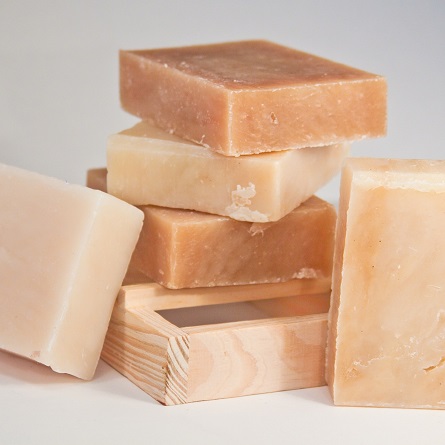
Here are seven benefits that explain why tea tree soap continues to stand out as a popular natural skincare choice:
1. Fights Bacteria Without Harsh Chemicals
Tea tree oil is naturally antibacterial, which means it helps clear away the bacteria that contribute to body acne and clogged pores without relying on harsh synthetic ingredients. This makes it a gentler alternative for people looking to avoid stripping their skin with aggressive cleansers, especially those who’ve already tried stronger products and found them too irritating to use consistently.
For anyone dealing with breakouts on the chest, back, or shoulders, this natural antibacterial action addresses a real cause rather than just masking the symptoms. It works with the skin rather than against it, which is part of why it’s remained a trusted ingredient across generations rather than fading out as a passing skincare trend.
2. Calms Redness and Irritation
Beyond fighting bacteria, tea tree oil has genuine anti-inflammatory properties that help reduce redness and swelling around irritated skin. This makes tea tree soap especially useful for anyone whose skin reacts easily to everyday triggers like shaving, sweat, tight clothing, or long days spent in the heat.
Calmer skin isn’t just about appearance. Reduced inflammation also means less discomfort day to day, which matters for anyone who deals with recurring irritation in areas prone to friction or breakouts, whether that’s from workout gear, backpacks, or simply a long day on your feet.
3. Helps Control Excess Oil
Tea tree oil has a natural ability to help balance oil production, making it a useful ingredient for anyone with oily or combination skin. Regular use can leave skin feeling clean without that tight, over-dried sensation that harsher soaps often leave behind, which is a common complaint among people who’ve tried stripping their skin to control shine.
This balance matters because skin that’s stripped of all its natural oil often overcompensates by producing even more, creating a frustrating cycle that’s hard to break with the wrong products. Tea tree soap tends to support a healthier middle ground instead, helping skin regulate itself rather than swinging between too oily and too dry.
4. Works Well for a Range of Skin Concerns
Tea tree soap isn’t a one-purpose product. Its combination of antibacterial and anti-inflammatory properties makes it genuinely useful across several common, everyday skin issues, not just one narrow concern.
* Body acne and breakouts: It helps address the bacteria at the source rather than just covering up the visible symptoms.
* Minor irritation from shaving: Its calming properties help soothe freshly shaved skin and reduce redness afterward.
* Everyday odor control: Its natural antibacterial action helps address the bacteria that contribute to body odor over the course of a day.
* Mild fungal-related skin concerns: Tea tree oil has traditionally been used to help manage conditions like athlete’s foot.
In a randomized, double-blind clinical study of 60 patients, a 5% tea tree oil gel was found to be 3.55 times more effective than a placebo at reducing acne lesions, and 5.75 times more effective at improving overall acne severity.
This range is exactly why tea tree soap tends to become a bathroom staple rather than a niche, single-purpose product used for just one specific issue.
5. Suits Sensitive Skin Better Than Many Alternatives
Compared to some conventional acne treatments, tea tree oil tends to cause less dryness, peeling, and irritation for most users. This makes tea tree soap a gentler starting point for people whose skin hasn’t tolerated harsher products well, including those who’ve given up on treating breakouts because every option seemed to make things worse.
That gentleness doesn’t mean it’s less effective. It simply means results build more gradually, which suits people looking for a sustainable, everyday routine rather than an aggressive, short-term fix that trades one problem for another.
6. Fits Naturally Into a Simple Routine
Tea tree soap doesn’t require any special technique or extra steps. It replaces a regular bar or body wash directly, making it one of the easiest upgrades to introduce into an existing shower routine without adding complexity or extra time.
This simplicity matters because routines that require too many extra steps rarely stick, no matter how effective they are in theory. Swapping in a single bar of soap is a low-effort way to get a real, noticeable benefit without overhauling anything else about your daily routine.
7. Offers a More Natural Alternative to Synthetic Cleansers
Many mainstream body washes rely heavily on synthetic fragrances and harsh detergents that can leave skin feeling stripped rather than genuinely clean. Tea tree soap offers a simpler, more natural formulation built around a single, well-studied active ingredient rather than a long list of additives.
For anyone trying to simplify their skincare routine or reduce the number of synthetic ingredients they use daily, this straightforward formulation is a meaningful step in that direction without sacrificing effectiveness or leaving skin feeling under-cleaned.
Choosing a Tea Tree Soap Worth Using
Not every tea tree product on the shelf actually contains a meaningful concentration of the ingredient, and some rely on it mostly for fragrance rather than function. Checking the ingredient list for real tea tree oil, rather than a diluted synthetic version, makes a genuine difference in results. A tea tree soap built around a genuine concentration of the oil tends to deliver the antibacterial and anti-inflammatory benefits this ingredient is actually known for.
Beessential formulates its bar with this kind of straightforward, ingredient-focused approach, giving the tea tree oil itself room to do the work rather than burying it under fillers.
Getting the Most Out of Tea Tree Soap
A few simple habits help this soap perform at its best once it’s part of your routine. None of them require extra time, just a bit of consistency and attention to how your skin responds.
* Use it consistently: Daily use tends to produce more noticeable results than occasional or inconsistent use.
* Give it time: Skin benefits build gradually over several weeks rather than showing up overnight.
* Follow with a light moisturizer: This helps maintain skin balance, especially for those with drier skin types.
* Store it somewhere it can dry between uses: This helps the bar last longer and stay effective for more washes.
These small habits are what turn a good bar of soap into a genuinely effective part of a daily skincare routine.
Conclusion
Tea tree soap earns its place in the shower by doing more than the average bar ever could, addressing bacteria, inflammation, and excess oil all at once with a single, simple ingredient. It suits sensitive skin, fits easily into an existing routine, and offers a natural alternative to synthetic cleansers without asking you to sacrifice results or add extra steps to your day. For anyone looking to upgrade their routine without adding complexity, this remains one of the easiest, most effective changes to make, and one your skin will likely notice within just a few weeks.