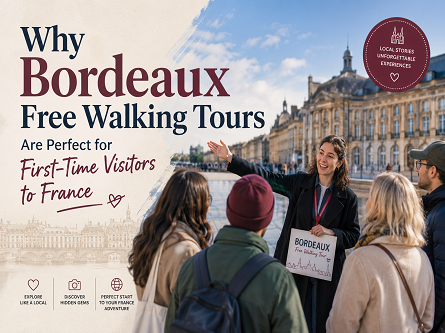
 You have landed in Bordeaux, dropped your bags, and stepped out into a city of elegant squares, honey-coloured buildings, and sweeping views of the Garonne River. It is beautiful, but it is also completely unfamiliar. With so much to see, where do you even begin?
For many first-time visitors, that question can feel surprisingly overwhelming. A walking tour is one of the easiest ways to get your bearings, understand the city’s layout, and discover the stories behind its landmarks, all while receiving local tips that make the rest of your trip much easier. Here is why it is such a smart first step.
France Is Busy, So Arriving With a Plan Helps
France is the most visited country on earth, and the crowds are not a myth. Globally, an estimated 1.4 billion people travelled internationally in 2024, according to UN Tourism, and France pulls in more of them than anywhere else.
For a first-time visitor, that popularity cuts both ways. There is superb infrastructure and plenty to see, but also queues, tourist traps and a lot of noise to cut through. Starting your trip with someone who knows the city helps you skip the guesswork and spend your limited days on what is genuinely worth it.
Why a Walking Tour Is the Right First Step
Reading about a city before you arrive is helpful, but it is no substitute for exploring it on foot with someone who knows its history and character. A walking tour provides orientation, local insight, and practical knowledge all at once, helping you settle in far more quickly than wandering without a plan.
A good tour on your first day can offer several lasting benefits:
* A clear mental map of the city, making it easier to navigate on your own.
* The stories and history behind famous landmarks, giving them greater meaning.
* An introduction to neighbourhoods worth revisiting for food, shopping, or sightseeing.
* Local tips on transport, customs, and places that are easy to miss in guidebooks.
* A gentle way to overcome jet lag while getting your bearings.
By the time the tour ends, the city no longer feels unfamiliar. Instead of spending the rest of your trip figuring out where everything is, you can focus on enjoying the places that interest you most.
What Makes Bordeaux Especially First-Timer Friendly
Bordeaux is a gentler introduction to France than a huge capital. It is walkable, elegant and far less overwhelming than trying to conquer somewhere enormous on day one. Its relaxed pace allows visitors to experience authentic French charm without feeling rushed or lost in the crowds.
The old centre is compact, much of it pedestrianised, and packed with things worth seeing within a short stroll. The Place de la Bourse and its mirror pool, the grand Bordeaux Cathedral, the long riverside promenade and the tangle of medieval lanes are all close together. It is a city that rewards walking, which is exactly why exploring it on foot with a guide works so well.
There is wine country all around too, but the city itself comes first, and understanding its layout early makes any later day trips simpler to plan. With its welcoming atmosphere and manageable size, Bordeaux allows first-time visitors to experience French culture at a relaxed pace while still enjoying plenty of unforgettable sights. This balance of history, beauty, and accessibility makes Bordeaux an ideal first stop for travellers discovering France for the first time.
How the Free Tour Model Actually Works
First-timers are often unsure what free really means here, so it is worth explaining plainly. These tours run on tips. There is no fixed ticket price, and you pay the guide at the end whatever you feel the experience was worth.
That model tends to attract enthusiastic, knowledgeable local guides, because their income depends on giving a genuinely good tour. Booking a spot on Bordeaux Free Walking Tours is a low-risk way to test whether guided exploration suits you, without committing a large sum up front. They offer guided walks through the city’s historic centre, led by locals who know its stories.
A couple of practical notes. Wear comfortable shoes, since you will be on your feet for a couple of hours, and it is polite to reserve ahead so the guide knows to expect you. Bring some cash for the tip at the end. This flexible approach makes free walking tours an accessible option for travellers who want a valuable local experience while keeping their plans and budget flexible.
Getting the Most From Your Tour
A little effort on your part turns a good tour into a genuinely useful one. These small habits help.
* Take the tour early in your trip, ideally on the first full day
* Note the places you want to revisit at your own pace later
* Ask the guide for restaurant and cafe recommendations
* Check the meeting point and time the night before
* Carry water, especially in the warmer months
Guides are a first-timer’s best shortcut to the local knowledge that usually takes days to pick up alone. Most are happy to answer the practical questions that guidebooks never quite cover. Keeping an open mind and asking questions during the walk can also lead to unexpected discoveries that make your visit more personal.
Conclusion
For a first visit to France, the hardest part is often simply finding your bearings. A free walking tour helps you do exactly that, turning an unfamiliar city into one you can explore with confidence from the very first day. It provides a welcoming introduction to the city’s culture, history, and hidden gems that you might otherwise miss while exploring alone.
Beginning your trip on foot with a knowledgeable local gives you far more than an introduction to Bordeaux. It gives you the confidence to navigate, discover hidden corners, and make the most of every day that follows. Instead of spending your holiday wondering where to go next, you can enjoy the city knowing exactly how to explore it.