Table of Contents
- Understanding Energy-Efficient Windows
- Key Benefits of Energy-Efficient Windows
- Types of Energy-Efficient Windows
- Costs and Return on Investment
- Installation Considerations
- Maintenance and Longevity
- Environmental Impact
- Conclusion
Investing in energy-efficient windows is one of the most effective ways to improve your home’s comfort and efficiency. By minimizing heat transfer and reducing unnecessary energy expenditure, energy-efficient windows can dramatically lower your monthly utility bills and improve indoor living conditions. For those considering an upgrade, partnering with professionals for window installation ensures you maximize the benefits of modern window technology. With advancements in window design and construction, today’s energy-efficient options contribute to a quieter, more consistent living space while protecting your home’s interiors from harmful ultraviolet rays. Beyond cost savings, these windows help create an environmentally conscious lifestyle by reducing the amount of energy needed to heat or cool your home. The impact extends beyond financial savings. Homeowners enjoy increased comfort and peace of mind, knowing their investment supports both personal and global sustainability efforts. Properly selected and installed energy-efficient windows can transform older homes and new builds alike, making them a wise choice for any property owner. Learning about the features, cost considerations, and environmental effects of these windows will help you make an informed decision about your next home improvement project.
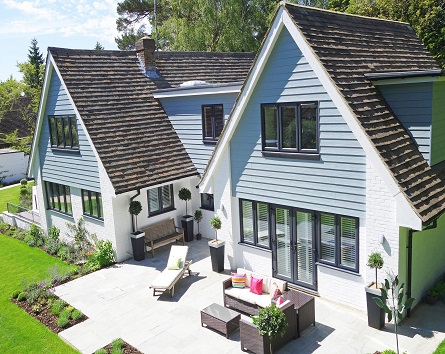
Understanding Energy-Efficient Windows
Energy-efficient windows stand out from traditional windows by incorporating advanced design features that prevent unwanted heat transfer between your home’s interior and the outdoors. Their construction typically includes two or three glass panes, insulated with inert gases like argon or krypton, and enhanced with low-emissivity (Low-E) coatings. These technologies work together to create a powerful barrier that improves your home’s overall energy performance.
Key Benefits of Energy-Efficient Windows
- Reduced Energy Bills: Energy-efficient windows can significantly cut household heating and cooling costs. The U.S. Department of Energy notes that windows account for approximately 25% to 30% of home energy use for heating and cooling, making efficient windows an impactful upgrade.
- Enhanced Comfort: Insulated windows minimize drafts and temperature fluctuations. This consistent indoor climate creates a more comfortable environment year-round.
- Noise Reduction: Multiple panes and gas fills dampen outdoor noise, which is particularly valuable in noisy neighborhoods or near busy streets.
- UV Protection: Low-E coatings effectively block a large percentage of harmful ultraviolet rays. This preserves the integrity of furniture, hardwood floors, and artwork by preventing fading from sunlight.
Types of Energy-Efficient Windows
Choosing the right type of window depends on your home’s specific needs and local climate. The primary varieties include:
- Double-Pane Windows: A standard energy-efficient option with two sheets of glass separated by an insulating gas fill, suitable for most climates.
- Triple-Pane Windows: Featuring three glass layers, these provide enhanced insulation and are recommended in regions with extreme temperatures or higher demand for noise control.
- Low-E Coated Windows: Glass surfaces treated with a virtually invisible metallic coating to reflect heat while allowing light to pass through.
- Gas-Filled Windows: Argon or krypton gases between panes improve thermal performance, particularly in double or triple-pane configurations.
Costs and Return on Investment
The cost to upgrade to energy-efficient windows varies based on window size, glazing type, frame material, and installation complexity. While upfront costs are typically higher than for standard windows, the reduction in monthly energy bills offsets them over time. According to the U.S. Department of Energy, installing Energy Star-rated windows can lower a typical household’s energy bills by 7% to 15%. For further cost breakdowns, consider reviews and calculators provided by experts at Consumer Reports. Long-term value lies in improved comfort, increased property value, and lower maintenance costs, making efficient windows a sound investment for both new and older homes.
Installation Considerations
The effectiveness of energy-efficient windows is directly linked to the quality of installation. Even top-tier windows perform poorly if installed incorrectly. It is crucial to hire certified professionals who ensure airtight seals and proper fitting, preventing energy leaks. Factors such as your home’s orientation and climate should be considered when selecting specific window features to optimize performance for your region.
Maintenance and Longevity
Energy-efficient windows are designed with durable materials that require minimal upkeep. Routine cleaning, along with regular inspections of seals and frames, will ensure long-lasting performance. Many premium manufacturers offer warranties of up to 20 years, providing additional peace of mind regarding your investment.
Environmental Impact
By reducing heating and cooling demand, energy-efficient windows play a significant role in lowering greenhouse gas emissions. Reducing energy consumption means burning fewer fossil fuels to power homes, an essential step toward mitigating climate change. On a global scale, residential improvements like energy-efficient windows make a considerable difference in creating a more sustainable future.
Conclusion
Upgrading to energy-efficient windows benefits more than just your monthly energy bills. Homeowners enjoy a more comfortable indoor environment with better temperature control, reduced outside noise, and improved year-round comfort. These windows also help lower your home’s environmental impact by reducing energy consumption and supporting greater efficiency. Beyond utility savings, energy-efficient windows can enhance curb appeal, increase property value, and require less maintenance over time. By choosing the right window style, energy rating, and professional installation, you can maximize performance and durability for years to come. Investing in energy-efficient windows today is a practical home improvement that delivers lasting financial savings, greater comfort, and long-term benefits for both your household and the environment.