Key Takeaways
- Look for warning signals such as leaks, sagging, or visible deterioration to determine when replacement is necessary.
- Budget for replacement by understanding variables like roof size, material, and labor in your area.
- Select high-quality materials and qualified contractors to maximize your investment.
- Investigate financing, insurance, and seasonal discounts to offset costs.
Replacing your roof is a major home improvement decision that can boost property value, enhance curb appeal, and protect your home for decades. For homeowners considering this important investment, understanding every stage of the process is essential. From spotting early signs of roof failure to navigating costs and selecting the right contractor, the journey can be straightforward if you know what to expect. To streamline your experience, research options in your area, such as Los Angeles Roof Replacement, to find reputable professionals who meet your needs. Being proactive about roof maintenance and replacement not only saves money over time but also helps avoid costly structural repairs. Taking time to examine available roofing materials, assess potential energy savings, and factor in local climate conditions can make a huge difference in your project’s outcome. Additionally, comparing bids and ensuring contractors are credentialed will keep your renovation on track and on budget. Undertaking a roof replacement ensures greater peace of mind, not just improved aesthetics. Proper planning and immediate action can minimize disruption and ultimately save you thousands.
Signs It’s Time for a Roof Replacement
Timely roof replacement is crucial for preserving your home’s structure and avoiding secondary water damage. Most asphalt shingle roofs last two to three decades, but several key warning signs may indicate it’s time to act sooner, including:
- Roof Age: If your current roof is 20 to 30 years old, schedule an inspection even if it appears undamaged.
- Shingle Damage: Curling, cracked, loose, or missing shingles point to natural wear or exposure issues.
- Interior Leaks: Water stains on ceilings and walls signal a failing barrier between your home and the elements.
- Sagging: Dips or warping in the roof deck may indicate rotted sheathing, requiring immediate remediation.
Continuing to overlook these warning signs can lead to more expensive structural damage and potential health hazards from mold or mildew.
Understanding Roof Replacement Costs
Roof replacement costs will vary significantly based on key project elements:
- Size and Complexity: Larger or more complex roofs with multiple valleys, dormers, or chimneys require higher material and labor investments.
- Material Selection: Popular options include asphalt shingles, metal, and tile. While asphalt is typically the most affordable, metal and tile offer longer life at a higher upfront cost.
- Labor and Local Regulations: Labor rates fluctuate by region, and required municipal permits will add to the total. Regular roof replacements in higher-cost cities like Chicago or Los Angeles typically include added permit and disposal fees.
According to industry reports, the average cost of residential roof replacement in the United States reached $17,631 in 2026, up 33 percent from the prior three-year average. This increase is attributed to rising material prices and a shortage of skilled labor.
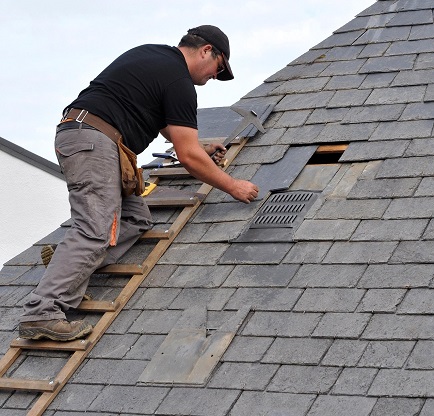
Choosing the Right Materials
Material choice not only sets the visual tone for your property but also impacts your roof’s expected lifespan, energy performance, and required maintenance. Key considerations include:
- Weather Resistance: Ensure your chosen material can withstand wind, rain, hail, or extreme heat, based on your geographical region.
- Durability: Compare life expectancy and warranty options for everything from asphalt and architectural shingles to slate and synthetic materials.
- Energy Efficiency: Lighter-colored or reflective roofing materials can help lower cooling costs in warm climates by reducing heat absorption.
Selecting a Qualified Contractor
Hiring a reliable, skilled roofer ensures the investment in your new roof is protected. To find the right professional:
- Ask for References: Speak with prior clients and check recent reviews to verify the contractor’s reputation.
- Check Licenses: Make sure the contractor holds valid licenses and carries appropriate insurance, both for worker safety and homeowner liability.
- Get Multiple Bids: Solicit at least three written quotes to compare prices, timelines, and included services. Be wary of lowball estimates that may signal inferior materials or limited warranties.
Financing and Budgeting
Budgeting for a roof replacement means exploring various financial resources:
- Homeowner’s Insurance: In some cases, partial or full replacement might be covered after specific types of damage. Review your policy terms or speak to your insurance agent for details.
- Loan or Payment Plans: Many roofing contractors and financial institutions offer low-interest loans or flexible payment plans tailored for home renovations.
- Discounts: Off-season work can reduce labor costs. For example, in Chicago, scheduling replacement for late fall can result in discounts of 5 to 15 percent.
Preparing for the Replacement Process
Preparation will help minimize disruption and allow the contractor to work safely and efficiently:
- Clear Work Areas: Remove vehicles, patio furniture, plants, and anything else that could get in the way of crews or equipment.
- Protect Interiors: Vibrations may shift items in your attic or on your walls. Cover delicate belongings and secure photos, mirrors, and fragile decorations.
- Inform Neighbors: Notify your neighbors about the upcoming project so they are prepared for increased noise and temporary debris during construction.
Post-Replacement Maintenance
Once your new roof is complete, regular upkeep will ensure it lasts as long as possible:
- Yearly Inspections: Schedule an annual checkup with your contractor to spot minor issues before they escalate.
- Keep Gutters Clear: Regularly clean gutters to prevent water backup and protect fascia, soffits, and landscaping below.
- Handle Repairs Promptly: Address any sudden damage or leaks as soon as possible to avoid escalating repair costs.
With the right information and preparation, replacing your roof can be a seamless, value-enhancing project. Homeowners who follow these best practices enjoy better protection, improved aesthetics, and greater comfort for years to come.
Conclusion
Replacing your roof is a valuable investment that protects your home, enhances its appearance, and provides long-term peace of mind. By recognizing early warning signs, understanding replacement costs, choosing durable materials, and working with qualified contractors, homeowners can make confident decisions throughout the process. Proper planning, budgeting, and research help prevent unexpected expenses while ensuring the project meets your needs and local climate demands. Exploring financing options, insurance coverage, and seasonal savings can also make roof replacement more manageable. Once your new roof is installed, regular inspections, maintenance, and timely repairs will help extend its lifespan and preserve your investment. With the right approach and professional support, a roof replacement can improve your home’s safety, energy efficiency, and overall value for many years to come.