Key Takeaways
- Early water exposure can improve cognitive and motor skills in infants.
- Introducing water activities may reduce the risk of drowning in young children.
- Water play strengthens the bond between parents and their children.
Table of Contents
- Cognitive and Motor Development
- Reducing Drowning Risks
- Enhancing Parent-Child Bonding
- Building Muscle Strength and Coordination
- Improving Sleep Patterns
- Boosting Appetite
- Safety Tips for Water Activities
- Conclusion
Introducing infants and toddlers to water at an early age offers a wide range of developmental and safety benefits. More than just a fun activity, early water exposure lays the foundation for lifelong skills and fosters positive attitudes toward aquatic environments. Parents eager to help their children develop in new and effective ways often turn to baby swim lessons to support healthy growth, safety, and bonding.
As children explore movement in an aquatic setting, they experience physical, cognitive, and emotional advantages that extend far beyond the pool. When supported by knowledgeable supervision and age-appropriate instruction, water activities become a key ingredient in building a confident, resilient child. Recognizing the value in these experiences helps caregivers better nurture young learners and provide them with essential life skills early on.
Water-based play encourages active engagement and sensory exploration. This not only supports motor and intellectual development but can also instill foundational water safety skills. Research has repeatedly shown that meaningful water experiences at a young age are linked to enhanced developmental milestones, reduced water-related accidents, and stronger family relationships.
Caregivers considering water activities can rest assured that with the right guidance, the benefits far outweigh any concerns. As outlined below, the benefits extend to every aspect of a growing child’s life, making early aquatic exposure a valuable choice for families.
Cognitive and Motor Development
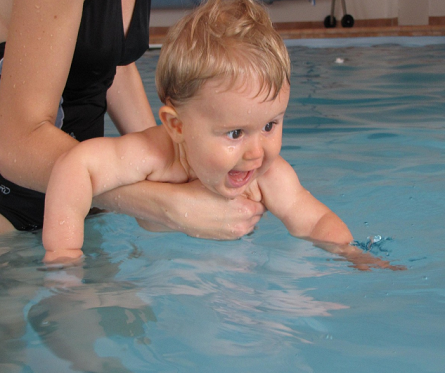
Early swimming and water play have been shown to accelerate both cognitive and motor development in infants. Water creates a stimulating multi-sensory environment where babies learn to coordinate their limbs, adjust to buoyancy, and react to gentle resistance. These challenges encourage the formation of new neural connections and strengthen the brain’s processing abilities. Several studies show that children who participate in aquatic activities often outperform their peers in reading, language, and logical thinking skills later in life.
Reducing Drowning Risks
Drowning remains a leading cause of accidental death among young children, but early introduction to water dramatically reduces this risk. According to the American Academy of Pediatrics, formal swim lessons for kids aged one to four can reduce drowning incidents by up to 88 percent. Learning to float, hold their breath, and understand safe water behavior builds a skill set that can protect young children throughout their lives. For parents, starting aquatic education early means prioritizing water competency and safety from the beginning.
Enhancing Parent-Child Bonding
Water activities strengthen the emotional connection between parent and child through shared, attentive play. Participating together in lessons or playtime develops trust and helps babies feel secure in new experiences. Physical closeness, eye contact, and laughter during water play contribute to healthy attachment. This safe and enjoyable environment lays a foundation for open communication and emotional security as children grow.
Building Muscle Strength and Coordination
Moving and playing in water engages multiple muscle groups that are often underused in everyday life. The gentle resistance of water helps build muscle tone in the arms, legs, back, and core without the risk of harsh impact or strain. Reaching, kicking, paddling, and floating help infants develop better balance and coordination, both in the pool and on dry land. Over time, this foundation supports milestones like sitting up, crawling, and walking.
Improving Sleep Patterns
Regular water activity is an excellent way for babies and toddlers to expend energy, which can improve sleep patterns. After a swimming session, many children experience deeper, more restful sleep and show reduced difficulty settling down at night. This physical tiredness benefits both children and their parents, supporting healthier routines and more predictable rest.
Boosting Appetite
The physical exertion of swimming and water play often stimulates a greater appetite. As children use more energy while active in the water, they are more likely to accept meals and snacks afterward, encouraging better nutrition and steady growth. For parents worried about picky eaters or slow weight gain, water activities can be an additional tool to promote healthy eating habits.
Safety Tips for Water Activities
- Always provide constant, undistracted supervision when children are in or near water.
- Make sure the water temperature is comfortable for infants, avoiding both chilling and overheating.
- Use certified, age-appropriate flotation devices as needed during early water exposure.
- Consider enrolling in swim programs taught by qualified professionals with experience in infant and toddler instruction.
Conclusion
Introducing babies and toddlers to water at an early age unlocks countless developmental and safety benefits. Beyond building physical strength and coordination, water experiences fuel cognitive growth and nurture strong family bonds. Equipping children with water skills from the start reduces drowning risks, ensures healthier routines, and promotes positive lifelong attitudes toward aquatic activities. By making water play a regular part of your family’s life, you invest in your child’s confidence, safety, and joyful growth.