Key Takeaways
- Effective insulation maintains consistent indoor temperatures, enhancing overall home comfort.
- Upgrading insulation can lead to significant energy savings, potentially reducing heating and cooling costs by up to 20%.
- Specific areas of the home, such as attics, walls, and floors, require targeted insulation strategies for optimal efficiency.
- Selecting appropriate insulation materials and ensuring correct installation are crucial for maximizing benefits.
- Professional insulation services offer customized solutions tailored to your home’s unique requirements.
The Importance of Home Insulation
Insulation plays a vital role in creating a comfortable and energy-efficient living environment. By slowing the transfer of heat between your home’s interior and the outdoors, insulation helps maintain desired indoor temperatures year-round. This thermal barrier not only enhances comfort but also reduces the workload on heating and cooling systems, leading to lower energy bills.
For homeowners seeking to improve their home’s insulation, consulting with experienced professionals is advisable. Home insulation companies like NetZero Insulation specialize in providing comprehensive insulation services, including installation, removal, and energy audits. With over three decades of experience, NetZero Insulation serves the Denver, Colorado area, offering tailored solutions to enhance home comfort and efficiency.
Energy Savings Through Proper Insulation
According to the U.S. Department of Energy and ENERGY STAR, homeowners who air-seal their homes and add insulation in attics, crawl spaces, and basements can save an average of 15% on heating and cooling costs, and approximately 11% on total household energy expenses. Proper insulation creates a stronger thermal barrier, reducing unwanted heat loss during colder months and limiting heat gain during summer. This improved efficiency helps HVAC systems operate with less strain, lowers monthly utility bills, enhances year-round indoor comfort, and reduces overall energy consumption. Beyond financial savings, better insulation also supports a more environmentally responsible home by decreasing carbon emissions and promoting sustainable energy use.
Key Areas to Insulate in Your Home
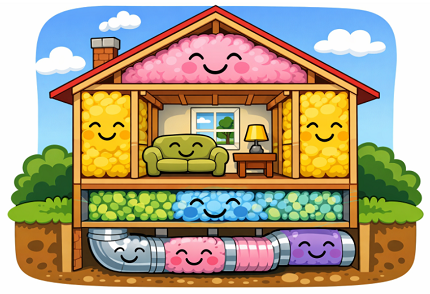
To maximize the benefits of insulation, it’s essential to focus on specific areas of your home:
- Attic: Since heat rises, the attic is a primary area where heat can escape. Adding or upgrading insulation here can significantly impact your home’s overall energy efficiency.
- Walls: Insulating exterior walls prevent heat transfer to the outside environment, maintaining a consistent indoor temperature.
- Floors and Crawl Spaces: Insulating floors over unheated spaces, such as crawl spaces or garages, can improve comfort and prevent cold floors.
- Ductwork: If your HVAC ducts run through unconditioned spaces, insulating them can reduce energy loss and improve system efficiency.
Choosing the Right Insulation Material
Various insulation materials are available, each with its own advantages:
- Fiberglass: Commonly used in batts or rolls, suitable for attics, walls, and floors.
- Spray Foam: Provides an airtight seal, is ideal for irregular spaces, and enhances air sealing.
- Cellulose: Made from recycled paper products, effective for insulating existing walls and attics.
Selecting the appropriate material depends on factors such as your home’s design, climate, and budget.
Ensuring Proper Installation
Even the best insulation materials can underperform if not installed correctly. Proper installation involves:
- Ensuring a continuous barrier without gaps, voids, or compressions.
- Maintaining full contact with the interior air barrier, such as drywall.
- Sealing air leaks to prevent moisture issues and enhance energy efficiency.
Professional insulation services can ensure that insulation is installed correctly, maximizing its effectiveness.
Long-Term Benefits of Upgraded Insulation
Investing in high-quality insulation not only yields immediate improvements in comfort and energy savings but also helps safeguard your property’s structure over the long term. By keeping interior environments drier and more temperature-stable, quality insulation helps prevent moisture intrusion, mold growth, and structural deterioration caused by condensation or temperature fluctuations. This protection can reduce future maintenance expenses associated with rot, mildew, or material warping, extending the longevity of roofing systems, wall assemblies, and flooring. Moreover, enhanced insulation may improve indoor air quality by reducing pathways for outdoor pollutants, allergens, and pests to enter living spaces, a critical factor for households with allergy sufferers or young children. Many local energy-efficiency initiatives and government programs offer rebates or tax incentives for upgrading home insulation, making envelope improvements even more cost-effective for homeowners.
Common Signs Your Home Needs More Insulation
Identifying whether your home could benefit from improved insulation involves observing certain telltale signs. These can include uneven room temperatures, cold drafts during the winter months, unusually high energy bills, or a noticeable difference in temperature between floors or rooms. Ice dams forming on the roof in winter and frequent HVAC cycling are additional indicators of inadequate insulation or air sealing. Scheduling an energy audit with professionals can reveal “hidden” inefficiencies and thermal gaps using tools like infrared imaging and blower door tests, allowing homeowners to target trouble spots more effectively before insulation is added or upgraded. Addressing problems early helps homeowners avoid further discomfort and unnecessary energy waste while maximizing the benefits of any insulation investment.
Professional Insulation Services
For homeowners considering insulation upgrades, working with experienced professionals can make a meaningful difference in both performance and long-term savings. Proper insulation selection depends on several factors, including your home’s age, construction type, existing energy efficiency, and local climate conditions. Partnering with specialists such as NetZero Insulation ensures a customized approach that maximizes indoor comfort, reduces energy loss, and supports lower utility costs year-round. Serving the Denver metro area, NetZero Insulation provides expert guidance, quality installation, and insulation solutions tailored to each home’s unique needs.
Conclusion
Investing in proper insulation is one of the smartest ways homeowners can improve comfort, reduce energy waste, and protect long-term property value. Well-installed insulation helps maintain stable indoor temperatures year-round by minimizing unwanted heat transfer and reducing strain on heating and cooling systems. Focusing on critical areas such as attics, walls, crawl spaces, and basements can deliver measurable improvements in efficiency and monthly utility costs. Selecting materials that match your climate, home design, and performance goals is equally important. Professional solutions from NetZero Insulation can provide the expertise, precision, and customized approach needed to maximize comfort, sustainability, and energy savings.