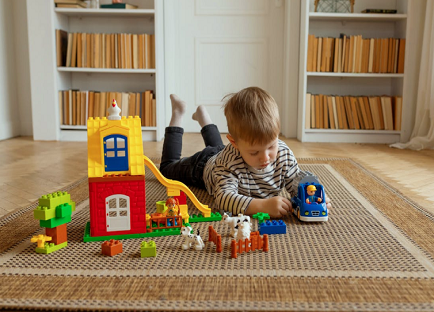
 Screens are easy. They are always there, always engaging, and do not ask much from kids. That is exactly why many parents look for alternatives that feel fun but still challenge their children. Building sets, especially those that mix construction with storytelling, do this better than most.
The appeal is simple. Kids use their hands, create something real, and then play with what they have made. That cycle of effort, pride, and imagination is hard to match on a screen. Beyond just filling time, it helps build focus, problem-solving skills, and confidence in a way that feels natural rather than forced.
Why Themed Sets Hold Attention Longer
While generic building blocks are great for unrestricted creativity, themed sets provide something more. They offer a narrative framework that gives the construction process a purpose beyond simply putting pieces together.
Building a veterinary clinic involves more than simply joining bricks together. Kids begin to imagine the animals they will help, the care they will give, and the stories they will create after the build is complete. That story element transforms the activity from simple construction into an imaginative experience that can keep kids interested for hours or even days.
Collections like lego friends sets demonstrate this principle particularly well. The range spans cafes, animal habitats, fashion shows, hotels, and adventure scenarios, each with characters and settings that invite ongoing play after the build is finished. Recent additions include locations like a grand hotel, a forest cabin, and a mermaid roller coaster, giving kids an ever-growing world to build and explore.
Because different children are drawn to different themes, variety plays an important role. An animal-loving child may spend hours with a wildlife habitat set, while another child who enjoys social play may prefer building a cafe or hotel. When the theme matches their interests, children naturally stay engaged longer, which helps strengthen the developmental benefits of the activity.
The Developmental Value of Building
When a child follows instructions to build a model, they are learning more than just how to put pieces together. They are practicing step-by-step thinking, reading visual guides, and figuring out what to do when something does not quite fit. These processes reflect early problem-solving frameworks that support learning across subjects such as math, reading, and science.
There is also a strong physical benefit. Handling small pieces, snapping parts together, and making adjustments helps develop fine motor skills and hand-eye coordination. For younger kids, this kind of hands-on activity lays the groundwork for writing, drawing, and other tasks that require control and precision.
Problem-solving comes naturally, too. If something goes wrong, they have to pause and work out why. That process builds c, resilience, and confidence without it feeling like a lesson or a test. From a developmental perspective, this type of self-correction supports independent thinking and persistence.
Social Skills Through Collaborative Building
Building sets are often seen as something kids do on their own, but some of the best moments happen when they build together. Sharing pieces means learning to take turns, and splitting up tasks requires communication.
Even small disagreements over where something goes become chances to practice working things out. These are real social skills, just happening in a way that feels natural and fun.
It can be especially helpful for siblings. Working toward a shared goal in the same space gives them a reason to cooperate. They learn patience, how to compromise, and what it feels like to finish something together. That sense of “we built this” is powerful because it stays with them long after the activity itself. Collaborative play like this mirrors real-world teamwork, where communication and shared responsibility are essential.
Choosing Sets That Match the Child
Not every building set will suit every child, and choosing the right one makes a big difference. Age labels on the box are a helpful guide, but they do not tell the whole story. It is worth thinking about your child’s interests and what they are currently comfortable with.
For younger kids, sets with bigger pieces and simple steps help them build confidence without getting frustrated. Older children usually enjoy more detailed builds with higher piece counts that keep them challenged and focused.
The aim is to find that middle ground, something that stretches their skills enough to feel rewarding but not so much that they lose interest halfway through. Matching challenge level to ability is a key principle in maintaining engagement and supporting skill development.
The Long Game
Kids who spend time building with their hands often carry those skills with them as they grow, even if it is not obvious right away. Things like spatial awareness, patience, attention to detail, and the confidence that comes from finishing something challenging all build a strong foundation. These qualities show up later in school, creativity, and everyday problem-solving.
Building sets are not meant to replace outdoor play, reading, or time with others, but they work very well alongside them. They fill a space that few toys do. Kids stay engaged, learn as they go, and enjoy the process without feeling like they are being taught.
When you look at the long-term value, they are more than just a way to pass time because they become a smart, lasting investment in how kids think and grow. Consistent engagement in hands-on activities is widely associated with stronger cognitive and creative development over time.
Build More Than Just Toys
In a world full of easy distractions, building sets ask kids to slow down, think, and create. That matters. They are not just passing time because they are building skills that last. The real win is not the finished model. It is the confidence and curiosity that come with it.