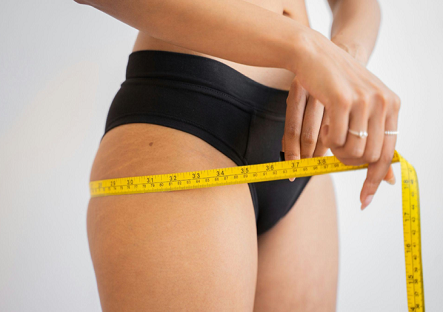
 There’s a point where diet and exercise stop doing exactly what you want them to do.
You can be consistent. You can eat well. You can show up at the gym. And still, certain areas don’t shift the way you expected.
That’s usually where the conversation around body contouring begins.
Not because anything is wrong, but because people are looking for a little extra help refining what they’ve already worked for.
Why More People Are Skipping Surgery
Body contouring used to mean surgery. Long recovery times, visible downtime, and a level of commitment that didn’t fit into everyday life.
That’s changed. Non-surgical body contouring treatments have become one of the fastest-growing areas in the aesthetic space, largely because they offer visible results without the same level of disruption. In fact, non-invasive fat reduction procedures now dominate the market, accounting for over 77% of body contouring technologies due to their safety and minimal downtime.
People want results, but they also want to get back to their routine the same day.
What Non-Surgical Body Contouring Actually Means
Despite how it sounds, these treatments aren’t about weight loss.
They’re designed to target specific areas where fat tends to be more stubborn. Think:
* lower abdomen
* thighs
* arms
* love handles
Technologies like cryolipolysis (fat freezing), radiofrequency, and ultrasound work by breaking down fat cells beneath the skin, which your body then processes naturally over time.
For example, fat-freezing treatments like CoolSculpting are FDA-cleared to treat visible fat bulges in areas like the abdomen, thighs, and arms.
The key detail most people don’t realize: once those fat cells are gone, they don’t come back.
Do These Treatments Actually Work?
Short answer: yes, but with realistic expectations.
Clinical studies show that some non-surgical treatments can reduce fat in treated areas by up to 20–25% after a single session, with results improving over multiple treatments.
That said, these treatments are not meant to replace weight loss. They refine shape, not transform it entirely.
The best results tend to come from people who are already close to their goal and want to smooth or contour specific areas.
What the Experience Is Actually Like
This is where most people are surprised.
Unlike surgical procedures, non-surgical body contouring:
* requires no anesthesia
* involves little to no downtime
* usually takes under an hour per session
You can often go to your appointment and continue your day right after.
There may be mild redness, numbness, or sensitivity in the treated area, but these effects are typically temporary.
Results appear gradually over several weeks as your body processes the treated fat cells.
Why Results Look So Natural
One of the biggest concerns people have is looking “overdone.”
That’s not really how these treatments work.
Because fat reduction happens gradually, your body changes in a way that feels subtle and proportionate. There’s no sudden shift. No obvious “before and after” moment.
It’s more like noticing your clothes fit better, or that certain areas feel more balanced.
The Role of Consistency and Lifestyle
Here’s the part that often gets overlooked.
Non-surgical body contouring works best when it supports what you’re already doing, not replaces it.
That means:
* maintaining a stable weight
* staying active
* eating in a way that supports your goals
If those habits aren’t in place, results can feel less noticeable or harder to maintain.
When It Makes Sense to Consider Treatment
Not everyone needs body contouring, and it’s not something to rush into.
But it may be worth exploring if:
* you have stubborn areas that don’t respond to lifestyle changes
* you’re close to your goal but want refinement
* you prefer a non-invasive option with minimal downtime
For those in that position, treatments like professionally administered non-surgical body contouring treatments can offer a practical next step.
Choosing the Right Provider Matters
Like anything in the aesthetic space, results depend heavily on who you go to.
Choosing the right provider matters just as much as choosing the treatment itself. Allana Bush, FNP-C at Lake Forest Regenesis, is one example of a provider whose clinical focus includes medical weight management, metabolic health, and personalized wellness.
A good provider will:
* assess whether you’re a suitable candidate
* explain what’s realistic
* recommend a treatment plan tailored to your body
This isn’t a one-size-fits-all process, and it shouldn’t feel like one.
The Bigger Picture
There’s a reason these treatments continue to grow in popularity. The global non-invasive fat reduction market is expected to grow into a multi-billion-dollar industry over the next decade, driven by demand for safer, lower-commitment options.
People aren’t necessarily looking for dramatic change. They’re looking for control. For options that fit into their lives without taking them over.
The Takeaway
Non-surgical body contouring isn’t about chasing perfection. It’s about refinement.
A way to address the areas that don’t quite respond to everything else you’re already doing. A way to feel a little more aligned with your effort.
And for many people, that small shift is exactly what they were looking for.