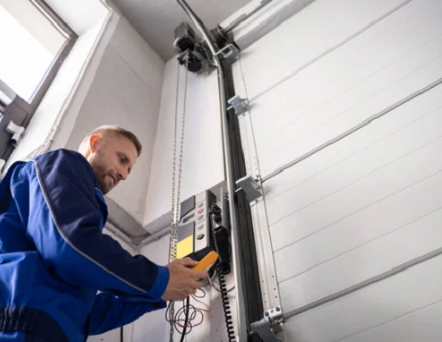
 For a long time, my garage door was on the “I’ll deal with it when something breaks” list. It opened. It closed. That felt like enough.
Then I started paying closer attention, and it turned out a few simple habits done once a month could have prevented some expensive repairs down the road. If you’re the type who likes to stay ahead of home maintenance without spending your whole weekend on it, this one is worth adding to the routine.
Your Monthly Visual Inspection
This takes less than five minutes and requires nothing more than a slow, deliberate look as the door runs through one full open-and-close cycle.
Here is what to look for when the door moves:
Cables
Run along both sides of the door. Look for fraying, kinking, or any uneven slack from one side to the other. Cables should look taut and uniform.
Rollers & Tracks
Watch for wobbling as the door travels. Check the tracks for visible dents, bends, or built-up debris that could interfere with smooth movement.
Spring Hardware
Take a look at the large spring running horizontally above the door. Surface rust is the early warning sign here. Note it, but do not touch it.
Bottom Seal
Check for cracking, gaps along the floor, or sections pulling away from the door. A compromised seal lets in cold air, moisture, and pests.
Door’s Movement Itself
The door should travel in a straight, even line from top to bottom. Any dipping, jerking, or hanging lower on one side is worth noting.
You’re not diagnosing anything yet. You’re just training your eye to notice when something has changed. If you’re already in the habit of regularly sweeping the areas in your home that tend to get overlooked, the garage is an easy one to add to that list. It’s one of the hidden areas of the home that often needs better organization and attention.
The DIY Tasks That Actually Make a Difference
These straightforward DIY tasks take about 15 minutes a month and keep your garage door running smoothly.
Start by lubricating the rollers and hinges with a garage door lubricant spray, not WD-40, which is a degreaser. Apply the same lubricant to the top of the spring bar, but avoid spraying the spring.
Wipe the safety sensors with a soft, dry cloth, and avoid anything wet or abrasive. Check the track bracket bolts and tighten them with a socket wrench if needed, but do not over-tighten; snug is enough.
Finally, inspect the bottom seal and clean it with a damp cloth, drying it afterward, especially during wet seasons. A can of white lithium- or silicone-based lubricant is inexpensive and lasts for months.
What You Should Leave Alone
I learned this one the hard way, not from a personal injury, but from reading enough about how it happens to understand the risk.
Springs, cables, drums, and anything involving tension adjustment are not DIY territory. The torsion spring above your door stores a significant amount of mechanical force. When something goes wrong with a system under that kind of load, it goes wrong fast. Even experienced DIYers have run into serious problems attempting spring work without the right tools and training.
The monthly tasks above are the end of the list. Everything beyond that belongs to a professional. Just like hiring a professional home organizer when a project outgrows what you can reasonably manage yourself, knowing where to hand off is half the skill.
Signs It’s Time to Stop Watching and Start Calling
Your monthly inspection will occasionally turn up something that needs more than a wipe-down and a spray of lubricant. Here is what to act on rather than monitor:
Call a Pro When You Notice:
Unexpected or New Sound
A new sound that was not there before. Grinding, scraping, or rhythmic popping are all telling you something specific. None of them resolves on their own.
Visible Fraying On a Cable
Even if a few strands are separated from the rest of the cables, you should make the call.
Uneven Movement
If the door dips, jerks at a particular point, or consistently hangs lower on one side, there is a track alignment or cable tension issue that will worsen with every cycle.
Door Doesn’t Fully Close
Beyond the inconvenience, a gap in the floor is a security and weatherproofing problem. It also puts more strain on the opener motor over time.
Surface Rust On the Spring Hardware
Rust on a component under tension is not cosmetic. Structural deterioration changes how a component behaves under load.
The Annual Professional Inspection
The monthly routine keeps you informed. The annual inspection handles everything you cannot see or safely access yourself.
The International Door Association recommends annual professional inspections, and it is easy to see why. A visit from a garage door repair company in Pittsburgh covers spring tension, cable condition, hardware wear, opener function, and safety reversal testing.
To put it in context: a broken torsion spring replacement typically runs $200 to $350. A $150 inspection that catches it early is not a hard call. Trinity Garage Door’s 19-point preventive maintenance service is designed to identify exactly those kinds of issues before they become urgent.
A Small Habit With a Long Payoff
A few minutes of looking, a little lubricant, and one annual professional visit are genuinely all it takes to keep a garage door running the way it should for years longer than one that gets no attention at all.
It fits right into the kind of home maintenance mindset that pays dividends in every room. The same way decluttering your home clears mental space by creating physical order, staying ahead of mechanical maintenance keeps the parts of your home you rely on most from demanding your attention at the worst possible time.
It is one of those habits that pays for itself in the background, which is exactly how I like it.