Table of Contents
- Consistent and Even Heating
- Enhanced Energy Efficiency
- Improved Indoor Air Quality
- Reduced Operational Noise
- Integration with Smart Thermostats
- The Importance of Professional Installation
- Long-Term Cost Savings
- Conclusion
Upgrading to a modern furnace does more than warm your home. Homeowners across Windsor and beyond are discovering that today’s advanced models deliver superior comfort, efficiency, and control. From cutting energy bills to supporting better health with cleaner air, a new furnace makes a measurable difference in quality of life. To explore the full range of Windsor furnace installation options, it’s important to understand what sets modern systems apart from outdated equipment.
Technological improvements in recent years have redefined what you can expect from your heating system. Instead of unreliable performance and high operational costs, today’s homeowners enjoy steady heat, remote control via smart devices, and advanced filtration. These upgrades can be especially meaningful during the coldest months when consistent warmth and clean air matter most.
Understanding the key benefits of a modern furnace can help you make an informed decision when upgrading your home’s comfort system. Lower energy use, reliable heating, and long-term savings are increasingly achievable, and replacing old equipment is about more than addressing a failing unit.
For those considering proactive improvements or seeking additional guidance, there are trustworthy resources dedicated to upgrading your home’s heating system in Windsor that walk you through every step, from energy audits to professional installation and follow-up support.
Consistent and Even Heating
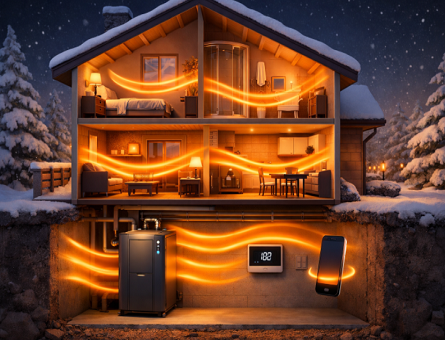
Traditional furnaces are notorious for uneven heating, leaving some rooms chilly while others become too warm. Modern furnaces, equipped with variable-speed blowers and sophisticated burners, respond dynamically to your home’s heating requirements. These systems distribute warmth evenly throughout your house, minimizing cold spots and temperature swings that were once considered unavoidable. The result is a consistently comfortable environment, no matter how extreme the weather is outside.
Enhanced Energy Efficiency
Energy efficiency is a primary concern for homeowners looking to reduce operational costs and environmental impacts. Today’s furnaces often achieve Annual Fuel Utilization Efficiency (AFUE) ratings of 90-98 percent. That means nearly all the fuel your furnace consumes is returned to your home as usable heat. By comparison, legacy systems can have AFUE scores as low as 60 percent, wasting fuel and causing your energy bills to spike. Upgrading from an older, inefficient furnace to a modern, energy-efficient model can represent double-digit reductions in monthly utility expenses. According to the U.S. Department of Energy, homeowners can save hundreds of dollars per year simply by making this upgrade.
Improved Indoor Air Quality
Air quality inside the home directly impacts health outcomes, especially for those with asthma or allergies. Modern furnaces often include multi-stage filtration systems that capture dust, pollen, dander, and other microscopic pollutants. Many high-efficiency models also help maintain balanced indoor humidity, preventing dry air that can irritate skin and respiratory passages. Cleaner, well-regulated air makes daily living more comfortable and reduces the likelihood of respiratory issues throughout the heating season. For further reading on how HVAC upgrades help with indoor air quality, visit the EPA’s indoor air quality guide.
Reduced Operational Noise
One of the most popular features of contemporary furnaces is their whisper-quiet operation. Advanced engineering, such as variable-speed fans and insulated cabinets, allows these systems to run at much lower noise levels than their predecessors. This improvement means noisy clanks and rattles are replaced by barely noticeable background noise, resulting in a quieter, more relaxing atmosphere for your family.
Integration with Smart Thermostats
Modern furnaces can work seamlessly with smart thermostats, allowing you to control your heating remotely, even when you are not at home. These thermostats allow users to set schedules, monitor energy consumption, and adjust settings from a smartphone or tablet. Smart technology makes it easier than ever to optimize comfort and savings, ensuring your system is running only when and how you need it.
The Importance of Professional Installation
Proper installation is critical for maximizing the performance and efficiency of your new furnace. Certified professionals assess your home to determine the correctly sized unit, ensure ductwork is securely sealed, and ensure all operational components are set up properly. Choosing a trusted installer helps avoid the risks associated with improper setup, including energy waste, unexpected repairs, and shortened equipment life.
Long-Term Cost Savings
While an investment in a modern furnace may have a higher upfront cost, the long-term financial advantages are compelling. Lower monthly energy bills, fewer repair calls due to top-quality components, and a longer operational lifespan contribute to significant savings over the life of your system. Additionally, government rebate programs and local incentives for high-efficiency appliances can offset some of the initial expenses, making the upgrade more accessible and affordable than ever.
Conclusion
Switching to a modern furnace provides much more than just reliable heat during winter. It creates a safer, more comfortable, and financially sound home environment. By investing in new technology and professional installation, homeowners ensure dependable warmth, better air quality, and years of trouble-free performance. If you are considering an upgrade, now is an ideal time to take advantage of available incentives and advanced technology to improve your home for years to come.