Key Takeaways:
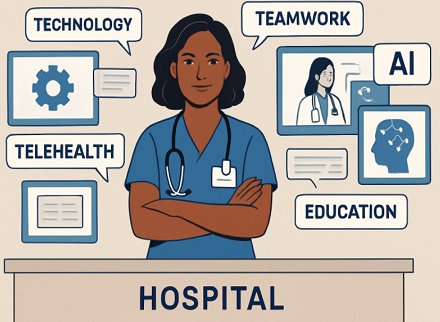
* Nurse leaders play a critical role in integrating technology and artificial intelligence (AI) into healthcare systems.
* Empowerment through shared governance models leads to better decision-making and patient outcomes.
* Growth in telehealth and virtual care is changing the landscape of health services delivery.
* Ongoing education is essential for nurses to adapt and thrive amid rapid changes in healthcare.
The Evolving Role of Nurse Leaders
Nurse leaders are instrumental in transforming modern healthcare. Their influence now extends well beyond traditional bedside care and includes responsibilities in technology adoption, advocacy, and strategic planning. As care delivery models shift and technology becomes an integral part of healthcare, nurse leaders are uniquely positioned to bridge gaps between clinical teams and administrative decision-makers. For those looking to step into these critical roles, MSN online programs offer a direct pathway to advanced leadership opportunities within the nursing profession.
The nursing leadership landscape is dynamic. Today’s successful nurse leaders possess a blend of clinical expertise and a strong organizational vision. They facilitate collaboration among interdisciplinary teams and continuously promote a patient-centered culture in their organizations. Their presence at the table during executive discussions ensures that frontline perspectives drive innovative healthcare policies and practices.
Embedding strong leadership at all levels in healthcare not only improves the work environment for nurses but also has measurable impacts on patient safety and care outcomes. As the healthcare industry shifts toward value-based care and population health models, nurse leaders bring critical insight into aligning operational goals with high-quality clinical outcomes.
Integrating Technology and AI in Nursing
The rapid advancement of AI and digital health tools is changing the way nurses deliver care and monitor patient outcomes. Nurse leaders champion the adoption of these solutions, prioritizing tools that allow for early detection of clinical deterioration, efficient resource allocation, and seamless information sharing among providers. Implementing these technologies requires ongoing collaboration between technical teams and clinical users to ensure that digital tools are both effective and user-friendly.
These changes highlight the need for digital literacy among all nursing staff. Forward-thinking nurse leaders prioritize education and support to help teams adapt to new platforms, from electronic health records to real-time remote patient monitoring. This digital transformation empowers nurses to make informed decisions and take proactive steps in personalized care planning.
Empowering Nurses Through Shared Governance
Shared governance models put decision-making power in the hands of those who deliver care, the nurses themselves. By involving frontline staff in committees and project teams, organizations foster a collaborative environment where policies reflect those who understand patient needs best. This sense of ownership improves engagement, retention, and overall satisfaction.
Through shared governance, nurse leaders facilitate open communication between staff, managers, and executives. The inclusion of diverse nursing voices leads to innovative approaches that enhance both the patient and caregiver experience. Evidence consistently shows that hospitals with stronger staff engagement report higher quality scores, lower turnover rates, and better overall outcomes.
Advancements in Telehealth and Virtual Care
The pandemic accelerated the adoption of telehealth, highlighting its potential as a permanent component of healthcare delivery. Nurse leaders are playing an essential role in developing and tailoring virtual care models to address patient needs and safety concerns. By leveraging telehealth, nurses can provide patients with timely consultations, follow-ups, and education from virtually anywhere.
These new models not only improve access for rural and underserved populations but also support continuity of care for patients with chronic conditions or mobility limitations. As technology evolves, nurse leaders are responsible for ensuring proper staff training and support, as well as addressing regulatory, privacy, and workflow challenges.
Continuous Education and Training
In an environment marked by ongoing change, staying up to date through advanced education and training is a necessity for nurses at every level. Nurse leaders are responsible for identifying knowledge gaps and facilitating access to professional development opportunities, including upskilling in digital health tools, population management, and complex care coordination.
Continuous learning initiatives can be incorporated into onboarding, updates in clinical practice, and certification programs. Supported by leadership, these initiatives help retain skilled professionals and empower staff to confidently address the needs of increasingly complex patient populations.
Policy Advocacy and Leadership
Nurse leaders are increasingly present in policy circles, lending their expertise to local, state, and national discussions on healthcare reform. Their frontline experience brings a practical perspective that shapes legislative decisions on patient safety, scope of practice, and healthcare equity. Advocacy efforts include lobbying for safer staffing ratios, expanded access to care, and resources for underserved communities.
Through coalition-building and participation in professional organizations, nurse leaders ensure that nursing’s voice is strong in shaping the future of healthcare. Their ability to combine practical clinical knowledge with health system expertise makes them trusted advisors in policy discussions.
Addressing Workforce Challenges
Healthcare faces ongoing workforce pressures, including staff shortages, increased acuity, and burnout. Nurse leaders are proactively developing new care delivery models that make best use of available resources and prevent team fatigue. They are also supporting staff through initiatives focused on mental health, resilience, and flexible scheduling.
Through targeted recruitment, retention programs, and investments in career pathways for nurses, healthcare organizations can overcome workforce challenges and create environments where both staff and patients thrive.
Conclusion
Nurse leaders play an indispensable role in shaping the trajectory of healthcare. By guiding the way in technology integration, shared governance, virtual care, education, policy advocacy, and workforce development, they ensure nursing remains essential to improved outcomes across diverse settings. Their influence fosters innovation, upholds clinical excellence, and supports the evolving needs of patients and providers alike.