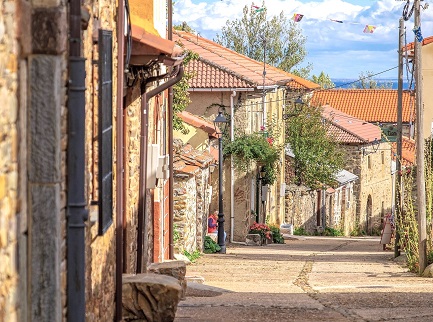
 Everyday life moves fast. You want holidays to move slowly. Trips where you can take in the sunset every evening or participate in activities where you’re away from your phone help you recharge. For example, booking Camino holidays helps you find peace, solitude, and relaxation.
Why Slow Travel Appeals to Modern Travelers
Modern life has you multitasking, scrolling on your device, and unable to take a second to wind down at the end of the day. You’re always thinking about your next move. Slow travel offers the opposite rhythm. Walking from one village to the next can replace constant decision-making with a simple daily structure of waking up, walking, eating, and then resting at the end of the day.
This type of rhythm reduces mental noise because your day unfolds in a predictable sequence. You also gain a clearer sense of both distance and effort. A hill feels earned when your legs carry you over it, and a meal tastes better after experiencing hours on the trail. Think about planning fewer stops and longer stays so each place has time to reveal its character instead of flashing by as a photo opportunity.
The Benefits of Walking for Body and Mind
Walking has numerous health benefits, as well as the ability to help you build physical activity into your trip. When you’re walking at a conversational pace for several hours, you’re improving your endurance levels and joint strength. With this type of steady movement, you’re able to help regulate your sleep after a long day of walking, allowing your body to recover from a long day of physical activity to feel refreshed and energized for the next.
Walking is also good for clearing space for personal reflection. With no screen time, you’re able to settle into a quieter pattern, and small worries can lose urgency. Make sure that you pack light in mind of your day activities and walk consistently at your own pace, instead of pushing for longer distances. This will keep both your mind and body at a comfortable ease.
Walking as a Deeper Form of Cultural Immersion
Walking is an immersive experience when you walk past farms, through back streets, and when you’re able to experience the neighborhood shops. Locals can then greet you as you share their sidewalks. When you take a break for lunch, you’re then able to order what the café serves instead of taking on recommendations from a guide. Over time, you’ll start to recognize faces and routines, making the experience feel more authentic. On your journey, you can opt to stay in local family-run guesthouses along your route so that your evenings can include both conversation and shared meals rather than anonymous check-ins.
The Rise of Camino Style and Long-Distance Routes
Long-distance walking routes have expanded well beyond their historic origins. Trails inspired by the Camino de Santiago now stretch across Europe, Japan, and the US, often linking rural communities that tourism once bypassed. These routes succeed because they balance challenges with accessibility. You follow clear markers and carry only what you need. At the end of each day, you’re welcomed in a place prepared for walkers. The structure removes planning fatigue while still leaving room for spontaneity.
As more travelers seek meaning alongside movement, these routes meet that need through shared paths and personal pacing. Research routes that match your comfort level, so the experience supports reflection rather than stress.
Walking vacations continue to grow because they align with how many people want to feel when they travel. That is, present and capable, quietly engaging with the world around them.