Key Takeaways
* Understanding your skin type is crucial for selecting an effective facial cleanser.
* Different skin types require specific ingredients and formulations to maintain balance and health.
* Regularly reassessing your skin’s needs can help adapt your skincare routine to changing conditions.
Table of Contents
* Understanding Your Skin Type
* Choosing the Right Cleanser
* Ingredients to Look For and Avoid
* Seasonal Considerations
* Common Mistakes to Avoid
* Conclusion
Finding the perfect facial cleanser can be transformative for your skincare routine. Using a product tailored to your unique skin type helps you avoid common concerns, such as irritation, excessive oiliness, or stubborn breakouts. With the right choice, you can cleanse effectively without compromising your skin’s natural barrier—and you’ll discover how to do just that in this complete guide. For those ready to browse a curated collection, trusted facial cleansers are available to support healthy skin with every wash.
A great facial cleanser not only removes impurities but also sets the stage for the rest of your skincare routine. Understanding what makes a cleanser suitable for your skin involves learning about its ingredients, various product types, and common pitfalls. This article guides you through identifying your skin type, selecting the right formula, and knowing when to adjust your approach for seasonal changes. By the end, you’ll feel confident about choosing the cleanser that’s best for you.
Anyone who has ever struggled with skin sensitivities or breakouts knows how challenging it can be to pick the right cleanser. From foaming gels to rich creams, understanding what works (and what doesn’t) is crucial for maintaining a balanced and healthy complexion. The right cleanser supports your skin’s natural microbiome, helping you look and feel your best every day.
Consistently using a suitable cleanser minimizes product build-up and prevents clogged pores, but the journey starts with understanding your skin’s unique profile. If you’re uncertain or need extra guidance, consider consulting reputable skincare resources, such as the American Academy of Dermatology’s skincare routine recommendations.
Understanding Your Skin Type
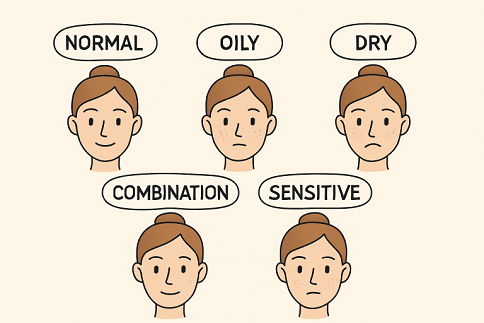
The foundation of an effective skincare routine is an accurate assessment of your skin type. The American Academy of Dermatology categorizes skin into five main types, each with distinct characteristics:
* Normal Skin: Balanced moisture, minimal imperfections, and isn’t overly sensitive.
* Oily Skin: Prone to excess shine, enlarged pores, and frequent breakouts due to higher sebum production.
* Dry Skin: Feels tight, often dull or rough, and may be prone to flaking or redness.
* Combination Skin: Experiences both dryness and oiliness, typically oily in the T-zone (forehead, nose, and chin) with drier cheeks.
* Sensitive Skin: Reacts easily to products or environmental factors with stinging, burning, or redness.
To determine your type, cleanse with a gentle product, pat dry, and wait an hour without applying anything else. Assess how your skin feels: tightness or flakiness indicates dryness, while noticeable shine signals oiliness. This step ensures that you customize your skincare by choosing products that are appropriate for your needs.
Choosing the Right Cleanser
With your skin type in mind, focus on a cleanser formulated to support and address those characteristics:
Normal Skin: Use a gentle, non-foaming cleanser that won’t disrupt the skin’s natural oils. Aim for soothing, balanced daily cleansers.
Oily Skin: Look for gel-based or foaming cleansers containing salicylic acid or tea tree oil to manage excess oil and clarify pores.
Dry Skin: Prioritize cream cleansers or those with added humectants, such as glycerin or hyaluronic acid, to deliver and lock in hydration. Avoid formulas containing harsh surfactants or strong fragrances.
Combination Skin: Balanced gel cleansers that hydrate while lightly controlling oil are ideal. Ingredients like aloe vera and panthenol offer versatility for both oily and dry zones.
Sensitive Skin: Opt for a fragrance-free, hypoallergenic cleanser rich in calming ingredients such as chamomile, oat, or allantoin. Avoid exfoliating beads or alcohol, as they can commonly trigger irritation.
When in doubt, patch-testing new cleansers is wise—an essential step for anyone, especially those prone to sensitivity or allergies. For a thorough review of skincare ingredients and additional cleansing tips, Medical News Today’s guide on dermatologist-recommended skincare breaks down what to look for and why.
Ingredients to Look For and Avoid
Beneficial Ingredients
* Hyaluronic Acid: Draws moisture into the skin and prevents dehydration.
* Glycerin: Attracts water and supports a more substantial moisture barrier.
* Ceramides: Help restore the skin’s protective lipid barrier.
* Aloe Vera: Calms irritation, hydrates, and soothes sensitive complexions.
Ingredients to Avoid
* Harsh Sulfates: Over-drying can disrupt the skin’s pH.
* Alcohol: Often causes ensuing dryness and stinging, particularly in sensitive or dry skin.
* Synthetic Fragrances: Commonly cause allergic reactions and irritation.
* Microbeads: Not only irritating to the skin, but they are also harmful to the environment.
Pursuing a pH-balanced cleanser (ideally around 5.5) also helps preserve the natural acid mantle, keeping your skin resilient and less prone to inflammation.
Seasonal Considerations
Weather changes impact your skin’s hydration and oil production. During winter, when the air is drier, opt for richer, cream-based cleansers to prevent dehydration. As humidity rises in the summer, you may benefit from lighter gel cleansers that effectively remove sweat, sunscreen, and excess oil without overwhelming your pores. Adjusting your routine every few months ensures it stays relevant to your evolving skin needs.
Common Mistakes to Avoid
* Over-cleansing: Washing too often strips the skin of essential oils, usually resulting in increased oil production as the skin tries to compensate.
* Ignoring Skin Type: Using products incompatible with your skin can worsen existing concerns, such as breakouts or sensitivity.
* Overlooking Ingredients: Skipping ingredient lists means you could unknowingly expose your skin to potential irritants or allergens.
* Neglecting pH Balance: A mismatch in pH can disturb the skin’s microbiome, increasing the risks of irritation and infection.
Conclusion
The cleanser you choose lays the groundwork for your skin’s health, balance, and appearance. By learning your skin type, focusing on beneficial ingredients, and staying responsive to changing needs, you’ll achieve a routine that feels both effective and gentle. Whether your skin is normal, oily, dry, combination, or sensitive, the right cleanser—supported by ingredient awareness and seasonal adaptation—creates a solid foundation for a healthy, glowing complexion.