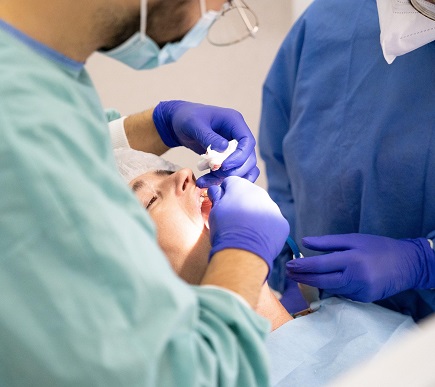
 Preventive dental care is often overlooked until a problem arises, but the reality is that maintaining oral health before issues develop is more critical than ever. With modern lifestyles, evolving diets, and increased longevity, staying proactive about dental care not only protects your teeth but also supports overall wellness, mental health, and daily productivity. This article explores fresh perspectives on why preventive care is essential and how it can positively impact your life in unexpected ways.
The Link Between Nutrition and Oral Health
Dental health and diet are intricately connected. Consuming processed foods, sugary snacks, and acidic beverages can weaken enamel and increase the risk of cavities and gum disease. Preventive dental care doesn’t just involve regular checkups; it also includes guidance on nutrition. Dentists can provide recommendations for foods and habits that strengthen teeth and gums, helping you maintain long-term oral health.
For example, calcium-rich foods like dairy products, leafy greens, and almonds help fortify enamel, while vitamin C from fruits and vegetables supports gum health. A proactive approach combines professional care with smart nutritional choices, creating a solid defense against dental problems.
Protecting Oral Health in a Digital Age
Modern life introduces new challenges for oral care. Increased consumption of sugary drinks, frequent snacking during work-from-home routines, and reliance on bottled beverages can elevate the risk of tooth decay. Additionally, prolonged screen time often leads to distracted eating, which can cause people to skip essential brushing or flossing. Preventive dental care addresses these modern lifestyle challenges by educating patients on consistent hygiene practices, even in a busy, tech-driven world.
Digital tools can also enhance preventive care. Apps that track brushing habits or send reminders for flossing can help individuals stay accountable. Combining these tools with professional dental advice maximizes the effectiveness of preventive strategies.
Stress, Sleep, and Oral Health
Chronic stress and sleep deprivation have surprising effects on dental health. Stress can lead to teeth grinding (bruxism), jaw tension, and clenching, all of which can cause headaches, enamel wear, and even misaligned teeth over time. Lack of sleep can weaken the immune system, making gums more vulnerable to infection.
Preventive dental care incorporates strategies to address these issues. A dentist may recommend night guards for grinding or provide guidance on relaxation techniques to reduce oral strain. Recognizing the connection between lifestyle factors and oral health emphasizes why prevention is more holistic than simply cleaning teeth.
The Role of Technology in Preventive Dentistry
Advances in dental technology are transforming preventive care. Digital X-rays, intraoral cameras, and AI-assisted diagnostics allow dentists to identify potential problems earlier than ever before. These tools provide a level of precision that was not available in the past, making preventive visits more effective.
For instance, early-stage tooth decay or micro-cracks in teeth can now be detected before they cause pain or require extensive treatment. By leveraging technology, preventive dental care has become not just a routine checkup, but a proactive and highly accurate approach to preserving long-term oral health.
Mental Health and Confidence Benefits
Oral health impacts more than just physical well-being; it also affects mental health and confidence. Discomfort, visible dental issues, or bad breath can lead to social anxiety, self-consciousness, and even depression. Preventive dental care helps maintain a smile you can feel proud of, reducing stress in social and professional interactions.
Regular dental visits can also provide reassurance, giving you peace of mind that potential issues are being addressed before they escalate. This proactive mindset supports a positive mental outlook and encourages consistent self-care.
Preventive Care for All Ages
Preventive dental care is not just for adults; it is essential across all life stages. Children benefit from early interventions, fluoride treatments, and guidance on proper brushing and flossing techniques. Teenagers, often prone to sugary diets and orthodontic treatments, need regular monitoring to prevent long-term damage. Adults face wear and tear, gum recession, and lifestyle-related issues, while seniors must address age-related challenges like dry mouth, tooth loss, or increased sensitivity.
By adopting preventive care strategies throughout life, you reduce the likelihood of complex dental problems at later stages. It’s an investment in lifelong oral health, supporting comfort and function well into old age.
Preventive Care Beyond the Clinic
Preventive dental care extends beyond the dentist’s chair. Practices such as using mouthguards during sports, avoiding harmful habits like nail-biting or chewing ice, and staying hydrated all contribute to oral health. Regular self-assessment, such as checking for unusual spots, swelling, or persistent discomfort, complements professional care.
Dental professionals can provide education on these preventive behaviors, ensuring patients are empowered to take proactive steps in their daily routines.
Building a Relationship with a Dental Professional
Preventive care is most effective when you establish a lasting relationship with a dental professional who understands your unique needs. A trusted dentist can offer personalized advice, tailored treatment plans, and monitoring for risk factors specific to your lifestyle, genetics, or health conditions.
If you’re looking for reliable care in your area, a skilled Worcester dentist can provide comprehensive preventive strategies. From routine cleanings to advanced guidance on lifestyle, nutrition, and technology-based monitoring, having a dedicated professional ensures your oral health is consistently supported.
Preventive Care as an Investment in Life
Preventive dental care is ultimately an investment, not just in your smile, but in your overall health, confidence, and daily well-being. By addressing lifestyle factors, leveraging modern technology, and fostering long-term professional relationships, preventive care reduces the risk of pain, inconvenience, and costly procedures later in life.
A proactive approach allows you to take control of your oral health, making dental visits a positive and empowering experience rather than a reactive one. With the right habits, guidance, and support, maintaining oral health becomes a natural part of everyday life, supporting both physical and mental well-being.
Conclusion
Preventive dental care matters now more than ever, not only for protecting your teeth but for enhancing overall health, confidence, and quality of life. By incorporating nutrition, lifestyle management, technology, and consistent professional guidance, you create a robust framework for oral wellness. Regular visits, combined with proactive home care and awareness of modern dental challenges, allow you to stay ahead of potential problems and enjoy a lifetime of healthy smiles.
Investing in preventive dental care today ensures your oral health, and overall well-being, remains strong for years to come.