Sharing a bedroom can go either way. It can feel like a constant negotiation over space and noise, or it can turn into a setup that actually works better than having two separate rooms. When bunk beds enter the picture, the entire dynamic changes. Done well, they free up floor space, give each child a sense of ownership, and bring a little fun into the everyday routine. The trick is designing the room so it feels intentional, not like a compromise made under pressure.
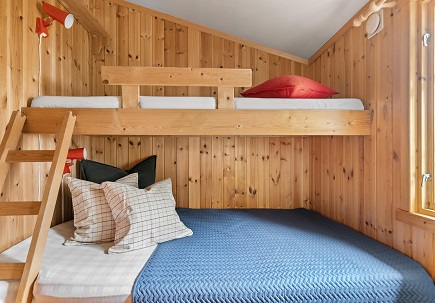
Starting With Space, Not Furniture
Before any bed frames or paint samples come into play, it helps to step back and look at the room itself. Ceiling height matters more than square footage with bunk beds, and traffic flow matters more than symmetry. Kids need room to move, build, sprawl, and retreat. A bunk setup should create openness where it can, not swallow the room whole. That often means choosing a footprint that leaves a clear stretch of floor and keeps doors, windows, and closets easy to access. When the layout feels right, everything else falls into place with less effort.
Sleep Is Personal, Even In A Shared Room
Two kids sleeping inches apart does not mean they experience sleep the same way. One might drift off instantly while the other stares at the ceiling, acutely aware of every sound. If you have ever laid awake listening to someone snore, you know how fast resentment can build in the dark. Smart design helps here. Solid bunk construction minimizes movement, and thoughtful mattress choices reduce motion transfer. Adding subtle separation like a wall-mounted sconce for each bunk or a fabric panel can make each sleep zone feel calmer without turning the room into a maze.
The Mattress Decision Matters More Than You Think
Bunk beds often get paired with whatever mattress fits, but that shortcut usually backfires. Kids grow fast, and sleep quality affects everything from mood to school performance. Investing in high-quality twin mattresses is not indulgent, it is practical. Look for supportive options that handle nightly use without sagging and that stay cool enough for kids who sleep warm. When both bunks offer the same level of comfort, it avoids the quiet tension that can come from one bed being clearly better than the other.
Giving Each Child Their Own Territory
Even in a shared room, kids need something that is just theirs. Bunk beds naturally lend themselves to this if you lean into it. Each bunk can have its own reading light, shelf, or wall color variation that reflects the child who sleeps there. Storage should be clearly divided, whether that is separate drawers, bins, or closet sections. When kids know where their things belong, there is less friction and fewer arguments over who touched what. The room feels calmer because expectations are clear without being spelled out.
Design That Grows With Them
What works for a six year old will not work forever, and redesigning a shared room should account for that. Neutral foundations age better than themed decor, and flexible pieces save money down the line. A bunk bed that can later convert into two separate beds gives you options if living arrangements change. Desk space that fits homework today can support hobbies later. When a room adapts easily, kids feel respected rather than boxed into something they outgrew overnight.
Light, Color, And The Mood Of The Room
Bunk beds introduce verticality, which makes lighting and color choices especially important. Soft overhead lighting combined with individual task lights keeps the room functional without feeling harsh. Lighter wall colors help balance the visual weight of stacked beds, while texture brings warmth back in. Think wood tones, woven rugs, or simple fabric accents that keep the space from feeling flat. The goal is a room that feels welcoming at any hour, not one that only looks good during the day.
A Room That Actually Works
A shared kids room with bunk beds is not about squeezing two lives into one space. It is about designing a room that respects both children equally while making everyday life easier. When sleep is comfortable, storage is fair, and the layout feels intentional, the room stops being a problem to solve and starts being a place they enjoy. That is when bunk beds stop feeling like a necessity and start feeling like a smart choice that holds up over time.