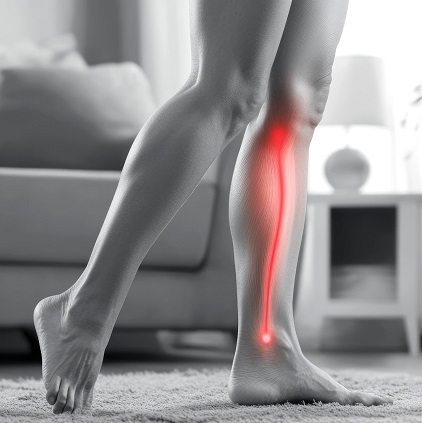
 The East Side is known for its close-knit neighborhoods, active streets, and a pace of life that keeps people on their feet. Many residents spend hours standing or sitting due to long workdays, family responsibilities, and daily errands, which can gradually negatively impact their vascular health. People often ignore visible veins, leg discomfort, or a constant feeling of heaviness until they start to disrupt their daily comfort and confidence. At that point, understanding what is happening beneath the surface becomes essential.
Learning about causes, symptoms, and realistic options allows individuals to make choices that feel informed rather than rushed. This is especially true when considering vein treatment in East Side, where personal health goals and lifestyle factors deserve careful attention. A thoughtful approach starts with clear information, open discussion, and guidance that respects individual concerns. That foundation helps people feel more at ease as they explore treatment paths that support both physical comfort and long-term well-being.
Types of Vein Conditions
Problematic veins include spider and varicose veins. Spider veins consist of thin, reddish lines. Varicose veins are usually larger than spider veins, and they are raised above the surrounding skin and are blue or purple. Both can cause symptoms including pain, swelling, or heaviness. Identifying the clear problem leads to the best answer.
Causes and Risk Factors
The main cause of vein issues comprises a few factors. Risk factors include your genetics, age, and any hormonal changes. Jobs that require you to stand or sit for long periods also contribute. Pregnancy and a weight problem may cause increased strain to the veins, making symptoms of venous deficiency more probable. Being aware of these risk factors helps in prevention and sustained care.
Available Treatment Options
Multiple solutions address vein issues. For sclerotherapy, target veins are closed by means of a special solution. Laser treatments focus light energy on the veins. For larger veins, procedures, such as endovenous ablation, apply heat to close off the affected section. In extreme cases, surgical excision will come into play. The options range significantly in terms of recovery time levels, costs, and effectiveness.
Initial Consultation and Assessment
A meticulous assessment is critical before beginning. A healthcare provider inspects the feet and legs and sets of ultrasound images. The step determines root causes and aids in choosing the best approach. You must communicate any symptoms you have, as well as your medical history, as accurately as possible to ensure that you are safe and that the treatment/s are effective.
Preparing for the Procedure
While the glamour of the game is to some extent effervescent, preparation can offer you higher attitudes and important ideas. You may be asked to stay away from medications or supplements that affect blood clotting. Wearing loose-fitting clothes and arranging for transport home after treatment are two methods suggested for this. Adhering to all commands decreases the complexity of recovery.
What to Expect During Treatment
The majority of those procedures are performed in an outpatient manner. Patients typically experience minimal discomfort since the procedures are usually performed under local anesthesia. Four treatments usually take less than an hour. Patients may experience mild stinging or pressure. We talk through each step, which alleviates fears and increases cooperation throughout the visit.
Recovery and Aftercare
Recovery depends on the method you chose. After this, walking is often promoted soon. They may also suggest the use of compression stockings to help with swelling and assist with recovery. While some bruising or redness might occur, it typically subsides after a few days. Aftercare is also important for a better result.
Potential Risks and Side Effects
Most procedures have associated risks. This may result in bruising, swelling, or skin discoloration. In the rarest cases, you may have more serious problems like blood clots or infections. Minimization of these risks is facilitated by careful provider selection. Reporting uncommon symptoms immediately can ensure timely intervention.
Expected Results and Maintenance
Improvement can be seen often in as little as a few weeks. Others require multiple sessions to achieve optimal results. If you can control your weight and activity level as well as wear compression stockings, you cannot get new problems. Having regular follow-up appointments helps track the progress and identify any issue formed.
Choosing a Qualified Provider
Choosing an experienced worker is crucial for security and happiness. Investigating credentials and asking for references provides extra peace of mind. During a consultation, you should also ask a lot of questions. A quality provider should discuss every option, address concerns, and walk patients through each step.
Emotional and Psychological Benefits
Addressing vein problems can lead to increased comfort, freedom of movement, and a boost in self-assurance. Many people experience relief from pain and embarrassment. Being more physically confident tends to make you enjoy your everyday life more. There is early support for physical and emotional well-being, and this addresses concerns.
Conclusion
Deciding to undergo vein treatment is not an effortless decision. Knowing what the causes are, what the options are, and what a decent outcome will look like really makes the patient’s experience easier. With the help of professional advice and guidelines, they get better legs and a more glowing future.