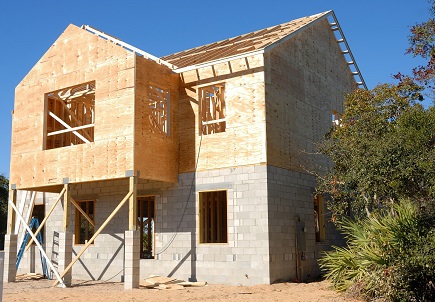
 Newly built houses are understandably attractive, with their modern layouts, energy-efficient construction and fresh finishes. The reassurance alone of a warranty can make them appealing to buyers that are looking for a low-maintenance home. However, brand new homes do not automatically mean that they’re fault-free. Like any major investment that you make, a new build home will still require careful checks before you choose to fully commit.
Taking the time to review build quality, warranties, ongoing charges and future plans can help you to avoid any unexpected costs and ensure that your new home delivers both comfort and value for years to come.
Examine the Developer’s Reputation and Warranty Coverage
One of the first things to check before buying a new build home is by checking the home developer’s reputation. Look out for any reviews from previous buyers, completed developments, and any history of unresolved complaints. Having a well-established builder with a strong record is more likely to deliver high-quality work and honor commitments after completion.
You’ll also need to confirm which warranty scheme covers the property. Most UK new builds are protected by recognized providers and these warranties designed to protect you against any structural defects and workmanship issues over time, but coverage varies. Make sure you understand what is included and how long each element of the warranty lasts.
Organize Snagging and Pre-Completion Inspections
Even the best new builds can have minor defects, known as “snags”. These might include uneven paintwork, loose fittings, sticking doors or more serious issues such as plumbing leaks or poorly installed electrics.
It is important to arrange for a pre-completion inspection (PCI) , as it allows you the chance to identify any problems before legal completion , when the developer is still fully responsible for fixing them. Many buyers also choose to commission their own independent snagging survey, as it provides a detailed list of defects that are both cosmetic and structural that should be addressed early. By having this documentation professionally can make a smooth process to ensure that any repairs are completed promptly.
Understanding Your Warranty and Protection
Before committing to a property, it is essential to understand the two-tier protection system that applies to most UK modern homes. Typically, a 10-year structural warranty is provided, often through the NHBC or an equivalent body.
The first two years are known as the defect’s liability period, which means that during this time the builder is responsible for fixing any issues that arise, such as faulty plumbing or poor workmanship. From years three to ten, the warranty usually covers major structural defects. Knowing how and when to report issues, and who is responsible, helps protect you long after you move in.
Understand Ongoing Charges and Local Planning Considerations
New developments can come with ongoing costs that are easy to overlook. Estate management charges, service fees for shared spaces, or maintenance contributions can add to monthly expenses. Always ask for a clear breakdown of these costs and whether they are likely to increase.
It’s also worth checking future planning around the site. Additional building phases or commercial developments could affect noise levels or resale value. Find out whether the property is freehold or leasehold, along with any restrictions that may apply to alterations, parking or use of communal areas.
When buying a new house, take your time to conduct thorough checks of the build quality, warranties, and ongoing costs to help ensure that the property meets your expectations and can offer a long-term peace of mind for the future.