 Buying a home is like the ultimate blind date where everyone is on their best behavior, wearing their most flattering lighting and a heavy coat of perfume. It is tempting to think that once the keys are handed over, a quick call for a deep home cleaning near me service will wipe away the lingering presence of the previous inhabitants. However, even the most meticulous residential home cleaning near me crew cannot scrub away the structural nightmares hiding behind the drywall. Some red flags are like bad personality traits that a fancy haircut simply cannot fix. Before falling in love with a breakfast nook, one must be prepared to look for the invisible deal breakers that turn a dream cottage into a hazardous biological science project.
The transition into a new living space is the perfect time to evaluate the health of the environment. One of the best ways to ensure a fresh start is to breathe easier this winter by improving indoor air quality through targeted maintenance and a deep dive into the home history. Just as leading design experts at Better Homes & Gardens suggest, a home should be a sanctuary, not a source of respiratory distress. If a property is hiding mold or asbestos, no amount of decorative pillows or scented candles will make it a safe place to live.
The “Basement Bouquet” and Hidden Moisture
When walking into a potential purchase, the nose is often a better detective than the eyes. Real estate staging is an art form designed to distract the senses, but some scents are impossible to fully mask.
The Scent of Trouble
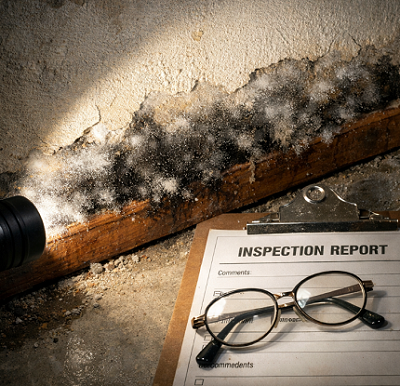
If a basement smells like a damp forest floor or a forgotten gym bag, it is a major warning sign. Mold is a silent squatter that thrives in the shadows. This earthy, musty odor is actually the gas released by mold as it grows. While a seller might claim the house just needs to be aired out, this smell often points to a systemic moisture issue that requires more than just a window fan to solve.
Texture and Bubbling
Wall paint should be smooth and even. If the walls look like they have a case of architectural acne, with bubbling or peeling near the baseboards, moisture is trapped behind the scenes. This is often the precursor to a mold bloom. It is the equivalent of wearing a heavy sweater in the middle of July to hide a rash; eventually, the underlying issue is going to surface.
The Ghost of Renovations Past: Spotting Asbestos
Asbestos is the unwanted guest that refuses to leave the party. Common in homes built before the mid-1980s, it was prized for its fire resistance before its health risks were understood.
Popcorn Ceilings and Vintage Tiles
Those bumpy popcorn ceilings might look like a harmless relic of the 1970s, but they are a prime hiding spot for asbestos fibers. Similarly, small, nine by nine inch vinyl floor tiles are classic time capsules for this material. If these surfaces are crumbling or damaged, they can release microscopic fibers into the air. It is a sleeping lion; as long as it is undisturbed, it may stay quiet, but the moment a renovation begins, it becomes a serious threat.
Pipe Insulation and Wraps
Take a flashlight to the utility room or the crawlspace. If the pipes are wrapped in something that looks like white corrugated paper or thick, tattered bandages, that is often “asbestos wrap.” Over time, this insulation becomes “friable,” meaning it easily crumbles into dust. A buyer should look for these dusty white remnants on the floor nearby, as they indicate the material is already breaking down.
Actionable Advice for the Smart Home Buyer
The best defense is a proactive offense. Before signing any contracts, one must move beyond the visual appeal of the home and perform a literal “sniff test” in every corner.
First, hire a specialized inspector rather than relying solely on a generalist. A standard home inspection is a great broad stroke, but it is not a deep dive into environmental toxins. Second, check the attic for “frosting.” If the underside of the roof deck has dark staining or white, powdery residue, it indicates poor ventilation and moisture buildup, which is a five-star hotel for mold spores. Finally, ask for a history of any “water events.” A flooded basement from five years ago might have been dried out, but if the drywall was not replaced, the mold might still be living inside the wall cavities.
Being a classy homeowner means prioritizing the health of the residents over the aesthetics of the room. A house can always be repainted, and floors can always be swapped, but the lungs are not quite as easy to renovate.