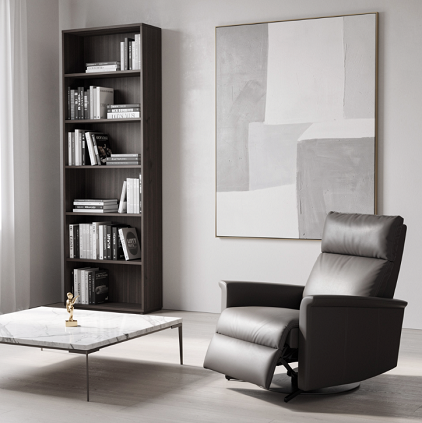
 There is a specific kind of internal peace that comes from a room that feels like a long exhale after a chaotic day. In the world of high-end home styling, achieving this doesn’t mean filling a space with gold-plated statues; it means investing in a stressless recliner with lumbar support that prioritizes the human body over temporary trends. We have all walked into those beautiful, stiff rooms that feel like a museum exhibit where you’re afraid to breathe. But true quiet luxury is found when a stressless recliner adjustable headrest becomes the secret weapon of the living room, blending seamless Scandinavian aesthetics with the kind of comfort that makes you forget your phone is in the other room.
Styling a contemporary home is a lot like conducting an orchestra. Every piece of furniture needs to know when to take the solo and when to provide the harmony. If the walls are the melody, then the furniture is the rhythm section that keeps everything grounded. One of the best ways to achieve this balance is by mastering the art of layering to create depth and texture so the room feels lived-in rather than just “decorated.” According to the design experts at Better Homes & Gardens, the most successful modern spaces are those that lean into tactile materials like leather, wool, and stone to tell a story of understated sophistication.
1. The Power of Negative Space
In design, what you don’t do is often more important than what you do. Think of your living room like a well-written sentence. If every inch is packed with “adjectives” like knick-knacks and busy patterns, the meaning gets lost. Quiet luxury thrives on breathing room. By allowing your stressless recliner to sit with a bit of space around it, you are giving the eye permission to rest. It turns a piece of furniture into a destination rather than just another obstacle to walk around.
2. Texture Over Trend
If color is the voice of a room, texture is the whisper. To make a high-end home feel welcoming, you want to mix materials that beg to be touched. Pair the smooth, buttery leather of a high-quality seat with a chunky, hand-woven throw or a silk-blend rug. This contrast creates a sensory landscape. It is the difference between a flat, digital image and an oil painting with thick, visible brushstrokes. Texture adds weight and “expensive” energy without needing to use loud colors.
3. Lighting as an Architectural Element
Forget the “big light” on the ceiling that makes everyone look like they are under interrogation. Contemporary styling relies on layered lighting. You want “pools” of light. Place a slim, matte-black floor lamp behind your favorite chair to create a reading nook that feels like a private island. Use soft LED strips under cabinets or behind a textured wall panel to create a glow that feels like a sunset caught in a jar.
4. The “Hero” Color Palette
Quiet luxury isn’t just about beige, though beige is certainly a loyal friend. It is about a “hero” palette of three to four tonal shades. Think of various shades of charcoal, slate, and silver, or perhaps a range of warm woods and terracotta. When the color palette is tight, the different shapes of the furniture can really shine. A deep navy stressless recliner can act as a stunning anchor in a room dominated by light grey walls and white oak floors, providing a sophisticated pop of “non-color” color.
5. Curating the Personal Gallery
The final touch in any contemporary sanctuary is the art. But here is the secret: art doesn’t have to be a painting. A beautifully crafted piece of furniture is a sculpture you can sit on. When choosing your accents, pick things that have a “hand-crafted” feel. Whether it is a heavy glass bowl or a stack of vintage books, these items should feel like they were chosen with intent. Avoid the “box set” look where everything matches perfectly; a home should feel like a collection of memories, not a page from a catalog.
Mixing textures is essentially the interior design version of food pairing. If you get the acidity and the fat right, the whole meal sings. In your home, the “fat” is often the rich, supple texture of leather, and the “acid” is the crisp, structural grain of your hardwood floors.
3 Rules for a Sophisticated Mix
To keep your space from looking like a furniture showroom and more like a curated estate, keep these principles in mind:
* The Contrast Commandment: Never try to match your leather exactly to your floor color. If you have light oak floors and a light tan leather chair, the furniture will “disappear” into the floor. Aim for at least two shades of difference in depth.
* Balance the Sheen: If your hardwood has a high-gloss finish, go for a matte or sueded leather. If your floors are matte or oil-rubbed, a slightly glossy, top-grain leather provides a beautiful focal point that catches the light.
* The “Third Element” Buffer: Always use a rug as a mediator. A wool or jute rug acts as a “texture bridge” between the leather and the wood, preventing them from clashing visually.
How to Style Your Hero Piece
If you have a stressless recliner in a bold leather tone like Cognac or Burgundy, place it on a neutral, low-pile rug. This allows the leather to act as the “soul” of the room while the hardwood floors act as the “skeleton.”
When you mix a rustic, distressed leather with a very clean, modern wood, you create “tension.” In design, tension is a good thing; it’s what makes a room feel interesting and human rather than sterile.